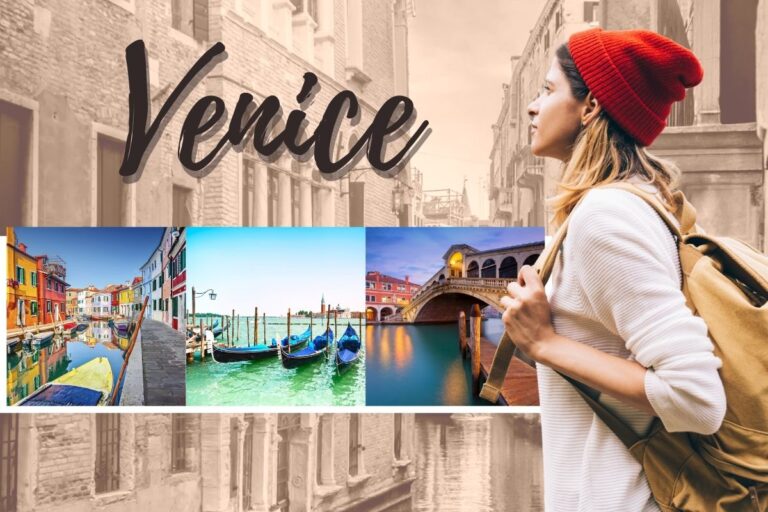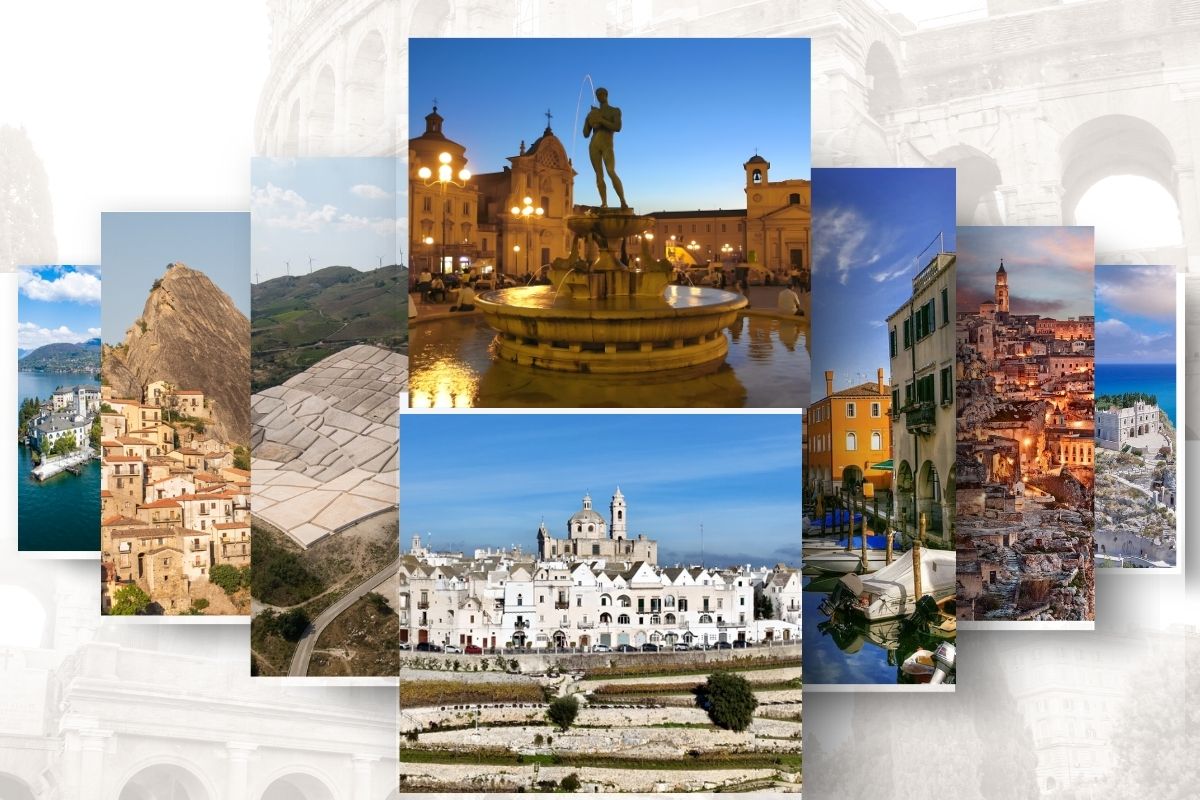
I’ve traveled all over Italy for years now, and if anything, the “big three” — Rome, Florence, and Venice — are increasingly looking like old theme parks masquerading as real places. I mean, the history is amazing, of course, but in early 2026, the hordes are next level. I was in Venice last week, and there were so many new entry fees and the sheer volume of people made it hard to even find a quiet spot for an espresso.
That is, everyone who truly loves this country has been fleeing lately, heading for the hidden towns of Italy. There’s a massive movement toward “roots tourism” right now. The government is pretty much begging for people to pay attention to the smaller villages so they can relieve some of the overtourism in the big spots. And honestly? These tiny towns have way more soul anyway.
Here are eight spots that are actually worth your time right now.
1. L’Aquila: The Comeback Kid
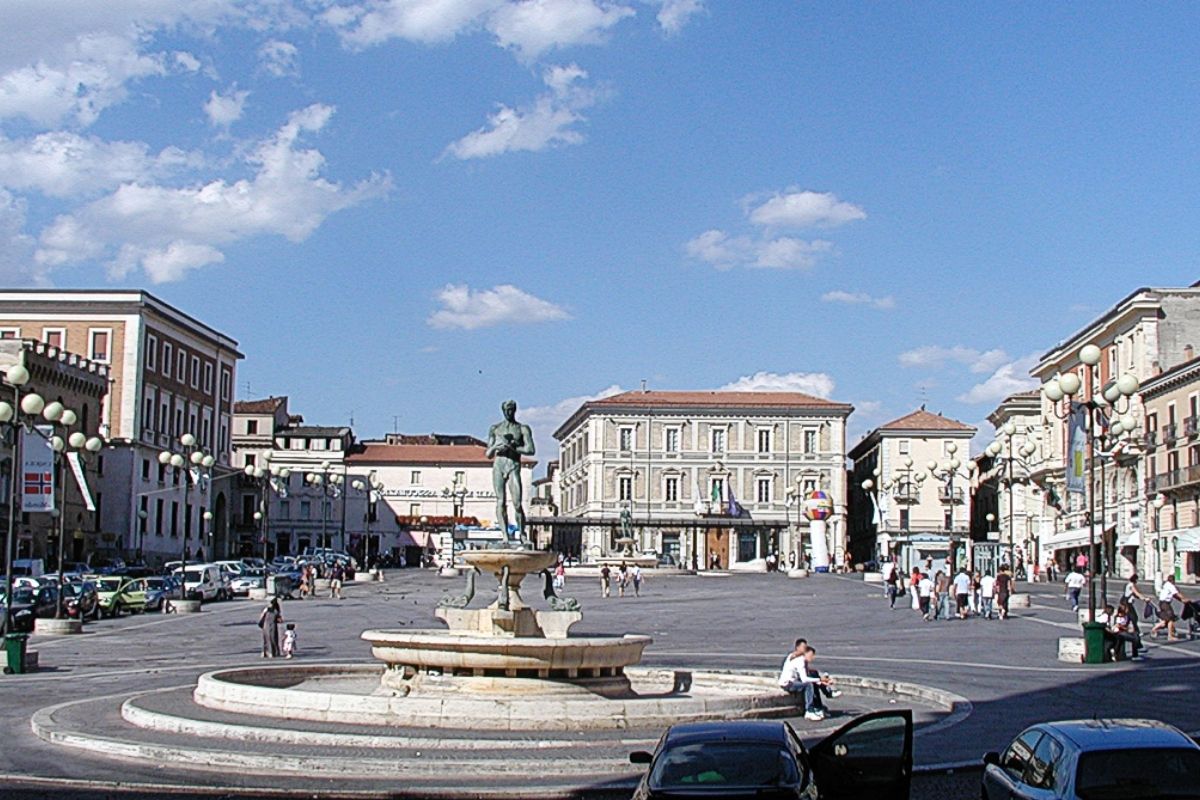
In case you haven’t heard: L’Aquila is the Italian Capital of Culture for 2026. I recall this place being something of a ghost town after the earthquake in 2009, but wow. They have, indeed, spent billions on these massive baroque palaces, and the energy right now is electric. It is located in the Abruzzo mountains, so you get this crisp air and views of the Gran Sasso peaks while walking through streets that look brand new but feel ancient. It’s the ultimate “resilience” story.
2. Gibellina: The Art Museum You Can Live In
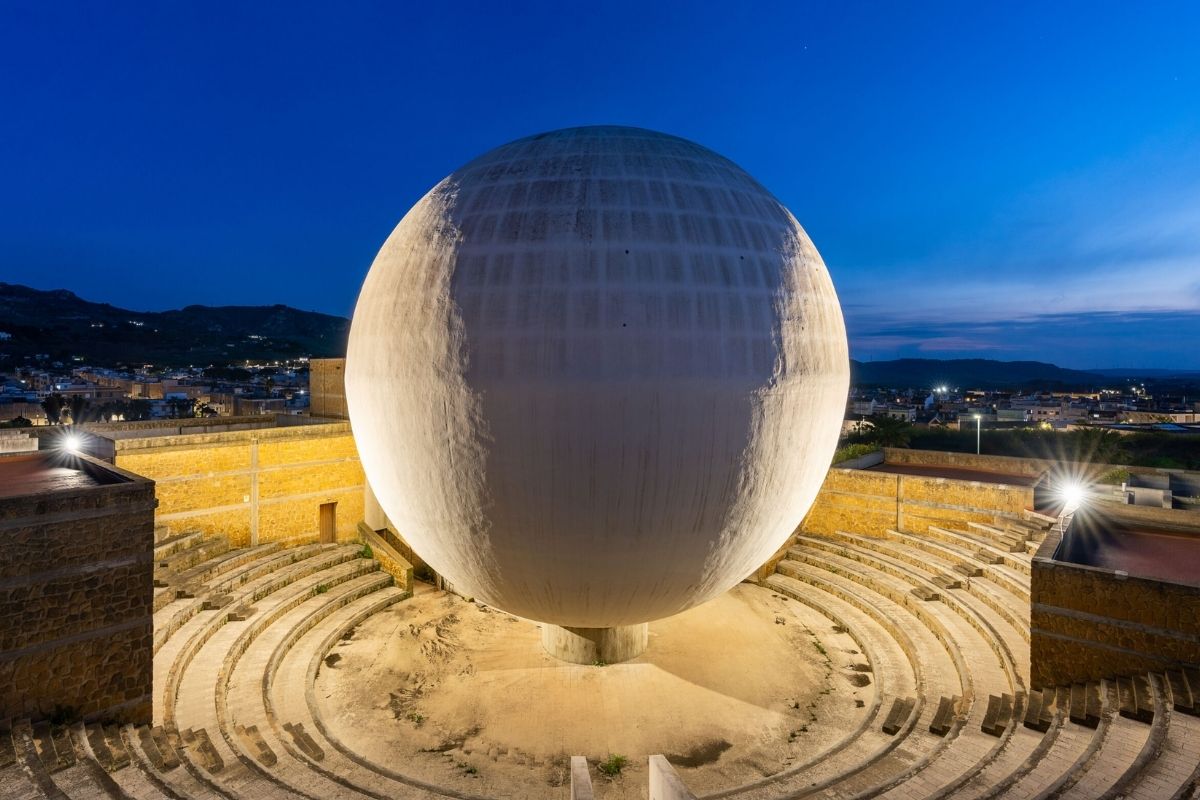
Way down in Sicily, there is a village called Gibellina that was recently designated the world’s first Capital of Contemporary Art for 2026. It’s unlike anything else in Italy. They invited famous artists to pretty much use the ruins as a canvas after an earthquake had destroyed the old town in the 60s. The result is this surreal, white-concrete landscape. There’s something spooky but altogether beautiful about walking through the Cretto di Burri, a giant work of art that blankets the footprint of the old town. It is a dream for people who like their travel with an added dose of weirdness.
Also Read – What to Do in Bologna Italy
3. Chioggia: Venice Without the Stress
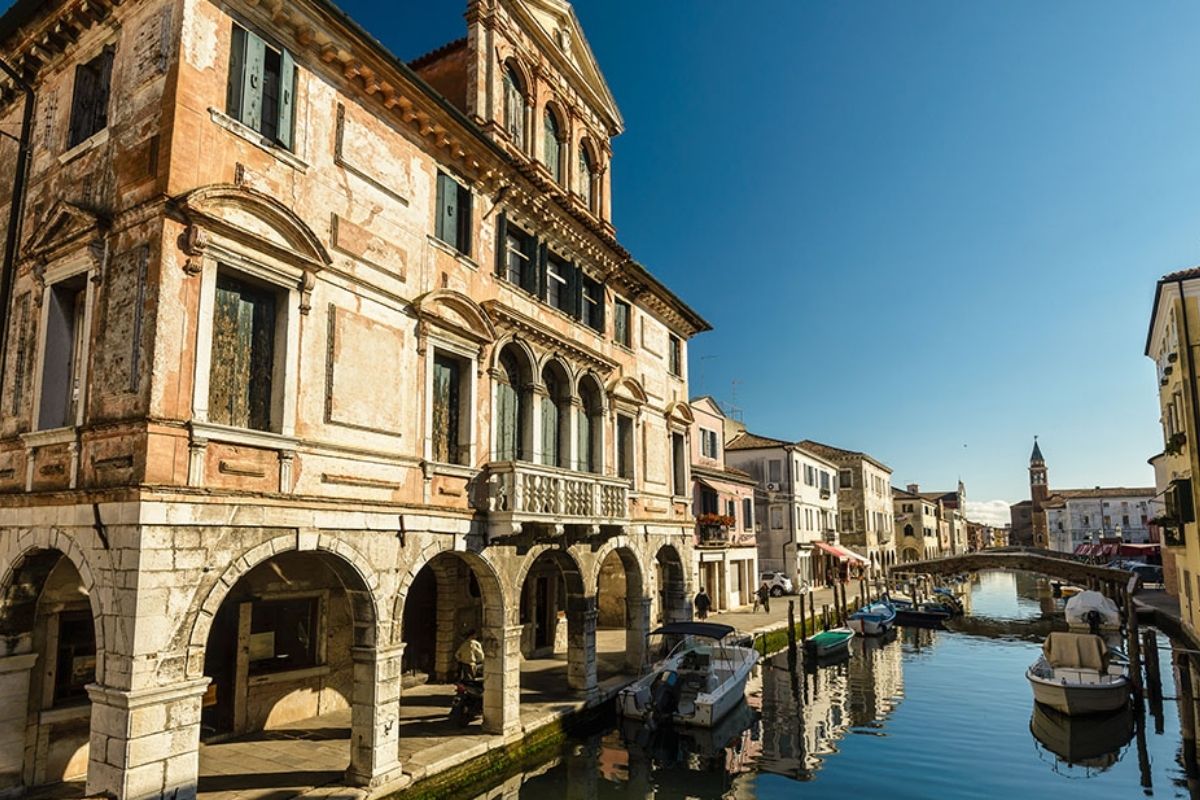
Look, I love the canals of Venice, but I hate the QR codes and the €10 entry fees they’ve started charging day-trippers in 2026. If you want the “water city” vibe without the headache, go to Chioggia.
It’s on the southern end of the lagoon, and people call it “Little Venice.” It’s got the same colorful houses and stone bridges, but it’s a working fishing port. You’ll see real people fixing nets instead of just tourists buying plastic masks. The seafood is better, too—and way cheaper.
4. Castelmezzano: Living on a Cliff
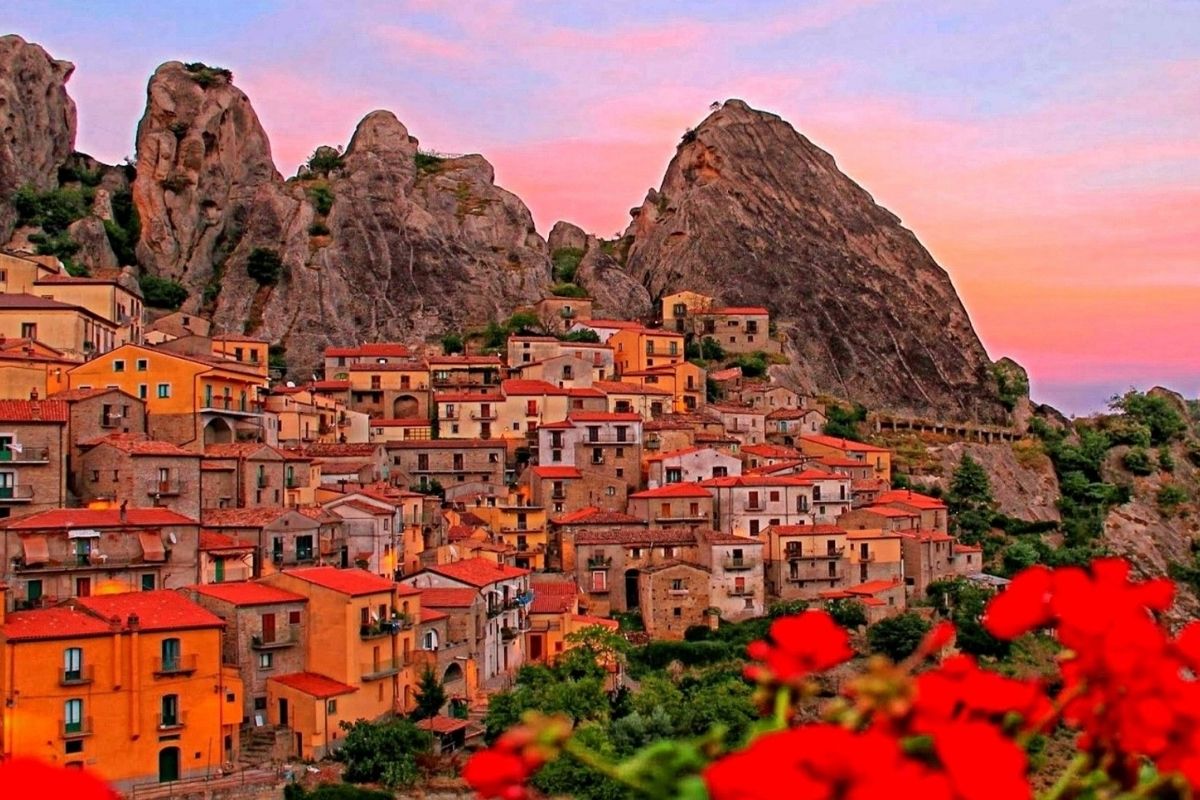
I discovered Castelmezzano by accident a few years ago, and I’m still pondering it. It’s pinned against some jagged rocks in Basilicata that can only be described as if they belong in a fantasy movie. It’s mostly stairs, which is a workout, but the views are insane.
You can bite the bullet and do the “Flight of the Angel” if you are a daredevil. It’s a zip line that lets you soar between two mountain peaks at 75 miles per hour. It’s a terrifyingly awesome way to see the town from above.
5. Matera: Sleeping in a Cave
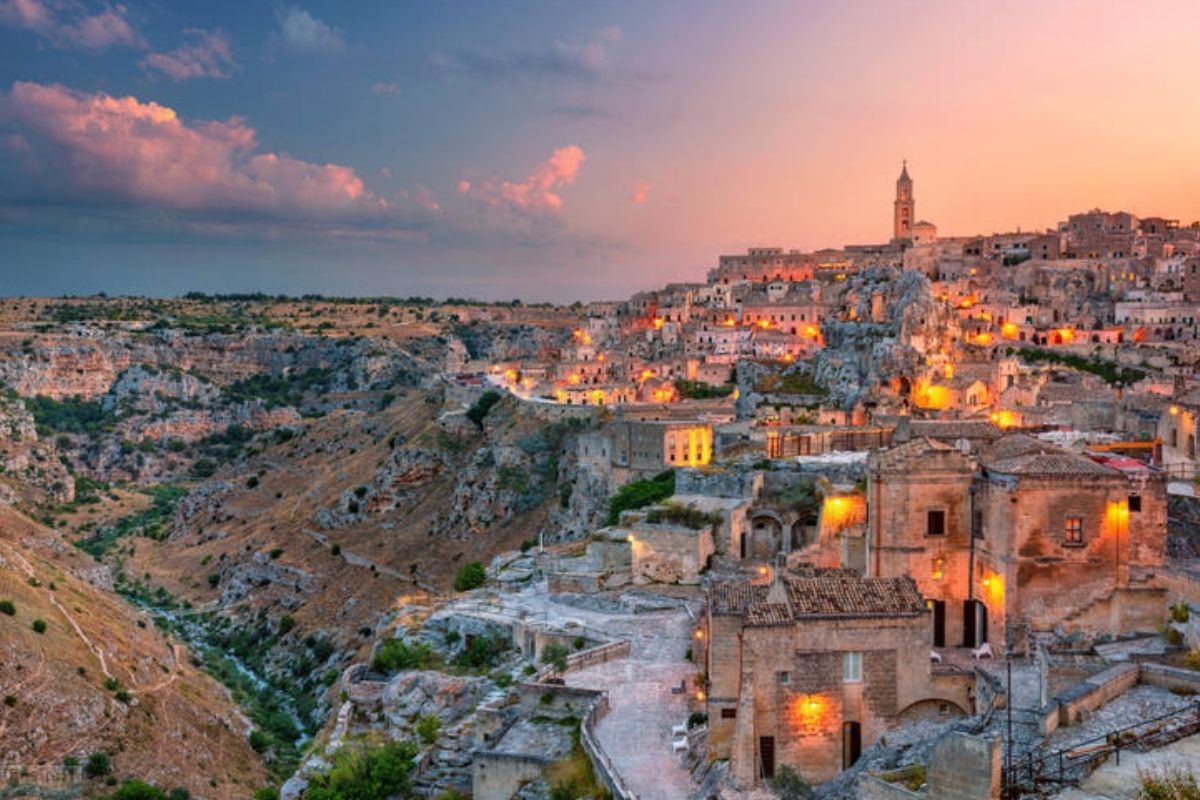
Matera is no longer exactly a secret, but it is enjoying a massive second wave of attention in 2026 thanks to all the new “eco-cave” hotels that are opening there. It’s one of the oldest cities in the world, and people would live in these limestone caves (Sassi) in abject poverty. Now they’ve been transformed into these beautiful, minimalist suites.
Staying there is like you’ve been transported 1,000 years into the past, though with high-speed Wi-Fi and a heated pool inside a rock wall.
Also Read – What to See in Venice Italy
6. Locorotondo: The White Round City
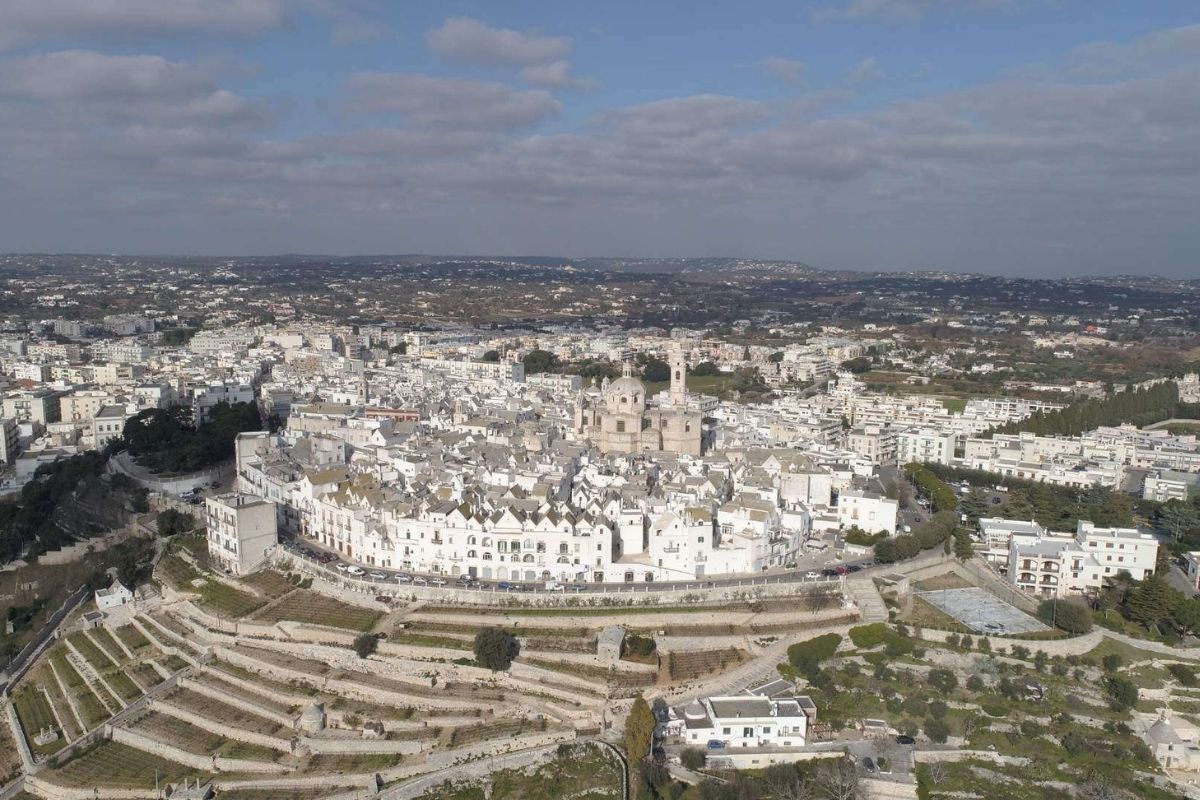
In the heel of Italy’s “boot”, there is a place named Locorotondo that is simply … peaceful. The name consists of two words meaning “round place”, and the town is actually constructed in a circle on top of a hill. Everything is painted white, and the people are crazy about flowers.
Geraniums are sprinkled on every balcony. It’s smack in the middle of the Trulli region (those cone-shaped houses) — but perhaps feels less “touristy” than its close neighbor, Alberobello. It’s just the place where you sit in a piazza for three hours and do nothing.
7. Lake Orta: The Silent Sister
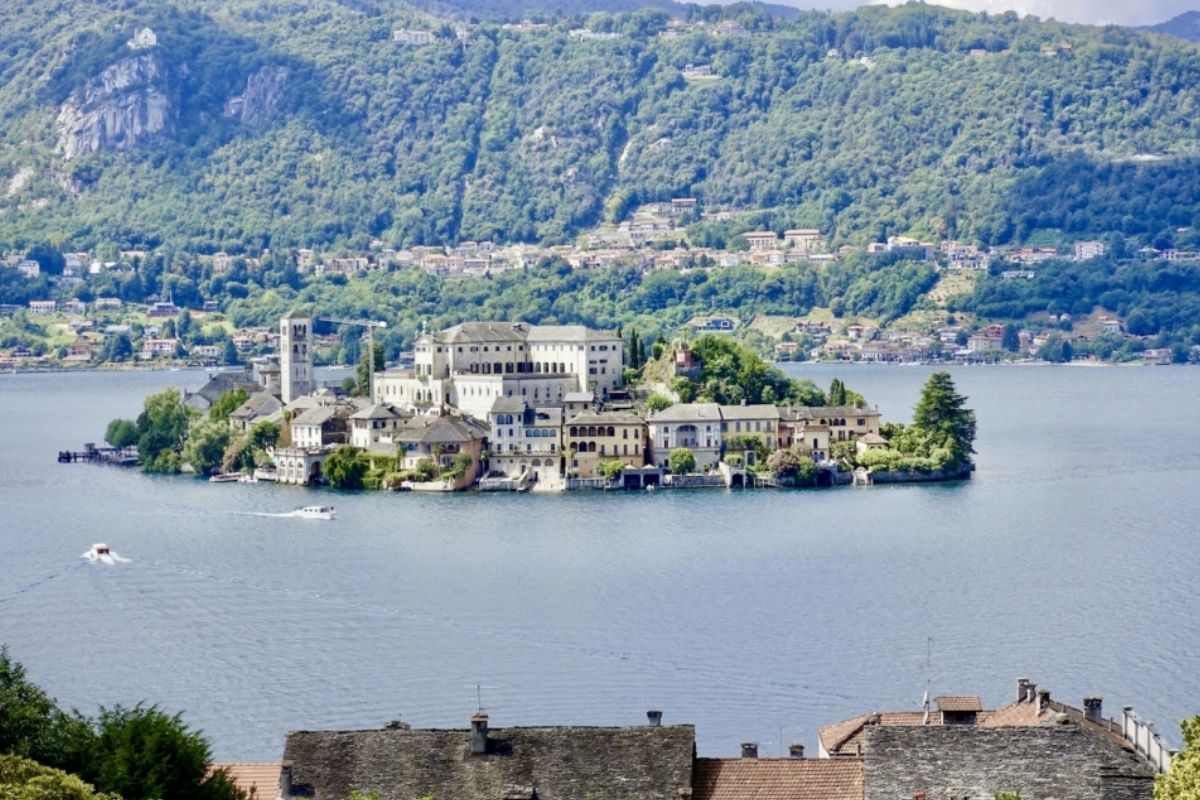
All the tourists go to Lake Como to gawk at celebrities, but local residents of the Piedmont region head to Lake Orta. It’s a little thing next to the big lakes, but much more personal. In the middle stands a tiny island called San Giulio, which features a monastery where the nuns take vows of silence.
You can get a boat over and then walk the “Path of Silence” before returning to the main square for a glass of local wine. It’s much more chill than the celeb and billionaire glitz of Como.
8. Tropea: The Jewel of the Toe
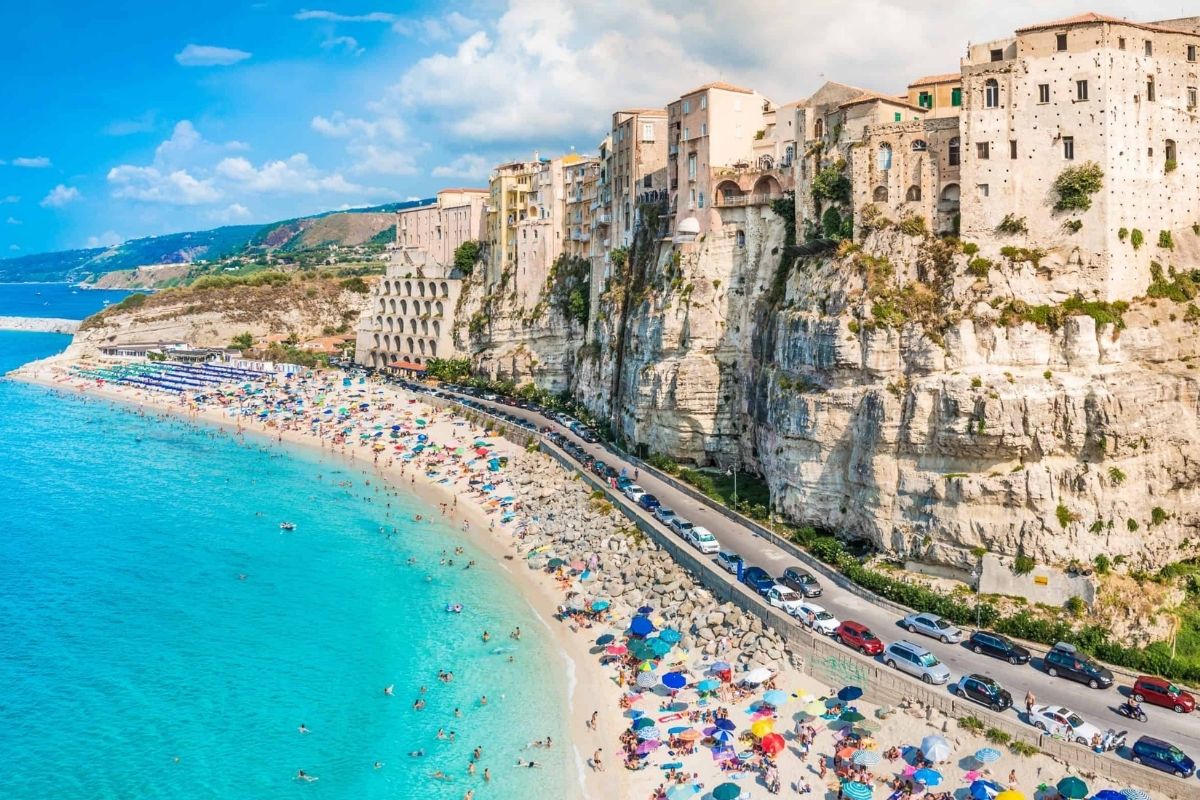
Down in Calabria, Tropea sits on a sandstone cliff above some of the bluest water I’ve ever seen. It’s known for its red onions (which are unexpectedly sweet), but the real draw is the church perched on a rocky island just offshore.
In 2026, it’s fast shaping up as a major spot for “slow summer” travel. It’s rugged and a bit rough around the edge,s and feels like the Italy you see in old black-and-white movies from the 1950s.
If you’re short on time, here’s how these hidden gems stack up for your 2026 trip:
| Town | Region | Best For… | 2026 “Souljourn” Vibe |
|---|---|---|---|
| L’Aquila | Abruzzo | History & Culture | Resilience & Mountain Baroque |
| Gibellina | Sicily | Modern Art | Surrealist Open-Air Museum |
| Chioggia | Veneto | Authentic Seafood | “Venice” without the crowds |
| Castelmezzano | Basilicata | Adrenaline | High-altitude fantasy village |
| Matera | Basilicata | Unique Stays | Ancient caves meet eco-luxury |
| Locorotondo | Puglia | Slow Afternoons | White-washed circular peace |
| Lake Orta | Piedmont | Romance & Quiet | The “Secret Sister” of Como |
| Tropea | Calabria | Summer Beaches | Rugged cliffs & sweet red onions |
Why Head There Now?
But the reason I’m bringing up these hidden towns of Italy is that the so-called “major” places are getting a little harder to get into. The spontaneity of travel is disappearing; with “tourist taxes” and the timed entry slots for everything, the spontaneity of travel is getting lost.
The towns I mentioned above don’t have turnstiles. They don’t have overpriced menus in five languages. They just have great food, incredible views, and people who are actually happy to see you.
Also Read – Is Italy Becoming The Luxury Travel Capital Of 2026
Quick Questions People Ask
Is it hard to get to these towns without a car?
Actually, yeah, a few of them are just painful. Italy has wonderful trains between big cities, but to reach somewhere like Castelmezzano, you’ll need a rental car — or an incredibly patient bus timetable. But that’s why they stay hidden, right?
What is “Roots Tourism”?
It’s a giant 2026 project called Italea. The government is assisting people of Italian descent to discover their old family villages. Even if you aren’t Italian, you can use the new maps and travel itineraries they’ve developed for these smaller towns.
Is 2026 a good year to visit the mountains?
It’s a busy one! The Winter Olympics this year are in Milan and Cortina. If you need that mountain vibe but can live without the Olympic throngs (and rates), here’s where to go instead: Consider visiting the Abruzzo region of Italy, or opt for smaller accommodations in the Aosta Valley.
Do I need to speak Italian in these smaller towns?
It helps to know the basics! In smaller towns like Gibellina or Chioggia, a simple “Buongiorno” and some hand gestures can be very helpful, unlike in Rome, where everyone speaks English. Most people are super patient if they see you’re trying.
Do you think you’d be willing to skip the big cities to see one of these spots, or is the pull of the Colosseum just too strong?
Sources and References
- L’Aquila: Italian Capital of Culture 2026 (Official Site) – The primary source for the 2026 calendar of events and reconstruction updates in the Abruzzo capital.
- Italea: The National Program for Roots Tourism – The official portal launched by the Italian Ministry of Foreign Affairs to promote travel to ancestral villages.
- Gibellina 2026: Capital of Contemporary Art – Details on the “Bring Me the Future” project and the city’s designation as a global art hub.
- Visit Sicily: Exploring the Cretto di Burri – Official regional guide to the land-art and cultural rebirth of the Belìce Valley.
- The Flight of the Angel: Castelmezzano & Pietrapertosa – Operational details and history of the zip line connecting the Lucanian Dolomites.
- Visit Chioggia: The Official Guide to Little Venice – Information on the local fish markets, lagoon culture, and sustainable travel in the Veneto region.
- Lake Orta and the Island of Silence – A deep dive into the “Way of Silence” and the history of San Giulio Island from the Piedmont Tourism Board.
Recommended