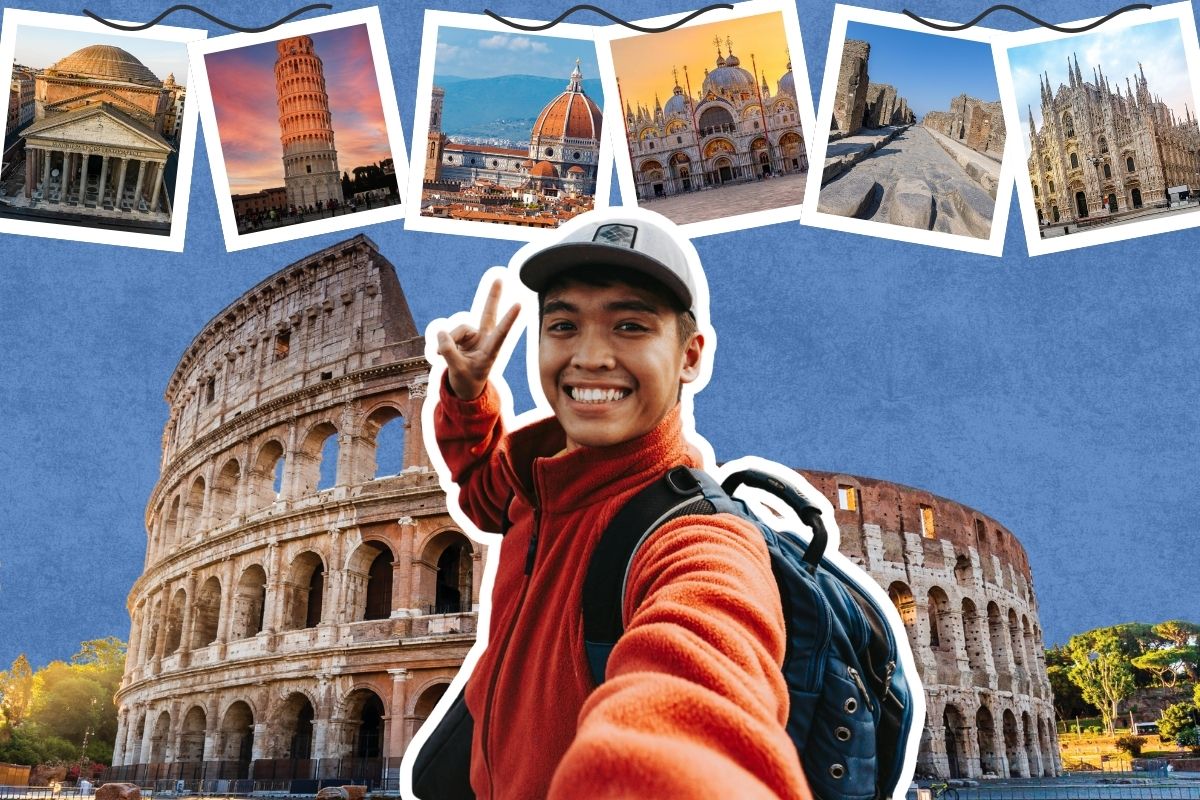
There’s something about Italy in March that summertime visitors never really get to know. The light is gentler, the air in Rome has that special crispness that doesn’t bite, and the Tuscan hills are doing that thing with the green, saturated almost to an unreal color that makes you question whether you’re looking at a painting. The tour groups have not yet descended. There is still time for a conversation with restaurant owners. It truly seems like the country is in the hands of people who are really living in it.
The 8 most famous landmarks in Italy still deliver everything people come for. The history, the scale, the moments that make you stop walking and just stand there. But getting the most out of them in 2026 takes a bit of planning that previous generations of tourists didn’t need. Here’s what’s actually happening on the ground right now.
The Colosseum, Rome: New Footprints and Night Air
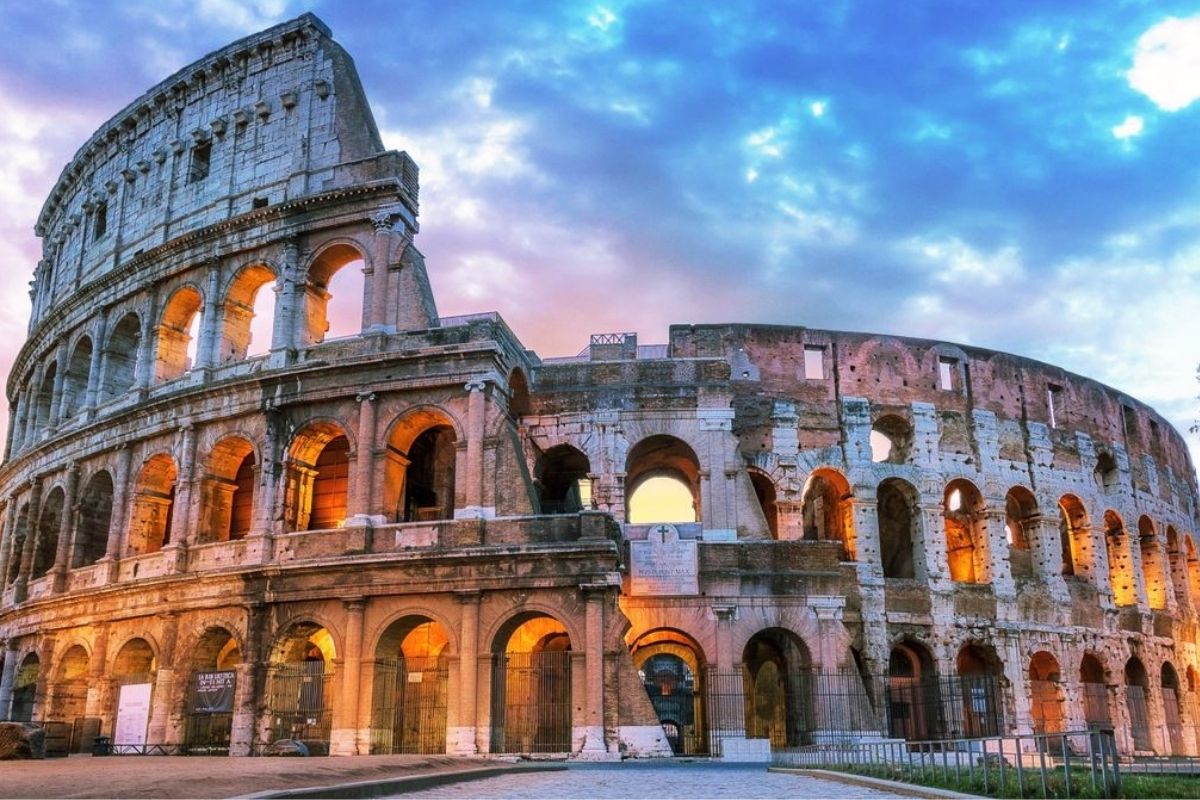
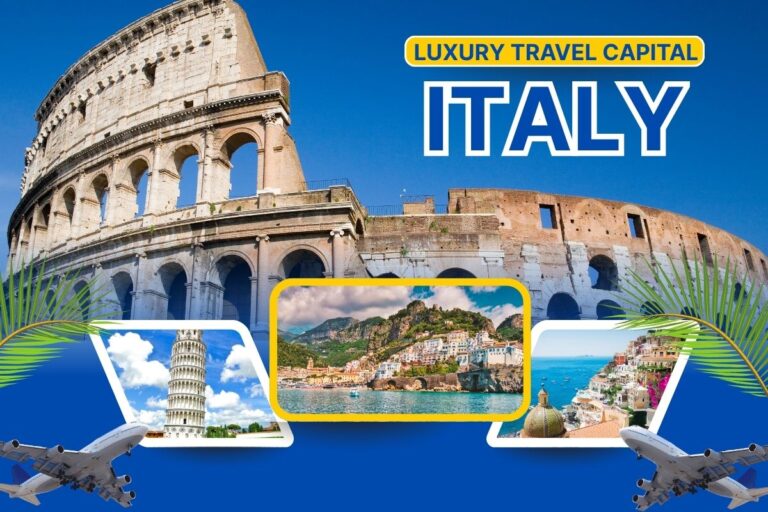
Rome’s massive amphitheater recently completed a perimeter restoration project that uses original travertine marble to mark where ancient columns once stood. The effect is surprisingly powerful. You get a genuine sense of how vast the structure was before medieval popes began dismantling it for building material, a process that stripped roughly two-thirds of the original stone over several centuries.
Tickets are now entirely digital and tied to ID documents, closing the secondary market. If the name on your booking does not match your passport, you are absolutely not getting in. Factor that into your plans.
Here’s something you may want to know that most guides don’t include: The floor of the Colosseum’s wooden arena—which was removed long ago, exposing the underground hypogeum on view now—is being reconstructed in part. Partially funded by the Italian government and partly through a partnership with the Diego Della Valle Foundation, the project seeks to restore something akin to the original experience of gazing out across a covered arena floor. It’s slowly coming together, but some parts are already visible.
If crowds are an issue, opt for the night tours. The “Moonlight over the Colosseum” sessions offer arena floor and underground tunnel access. Quiet, a little creepy, and genuinely worth booking.
Also Read – 8 Secret Italian Towns You Need to See in 2026
The Pantheon, Rome: The Best Five Euros You’ll Spend
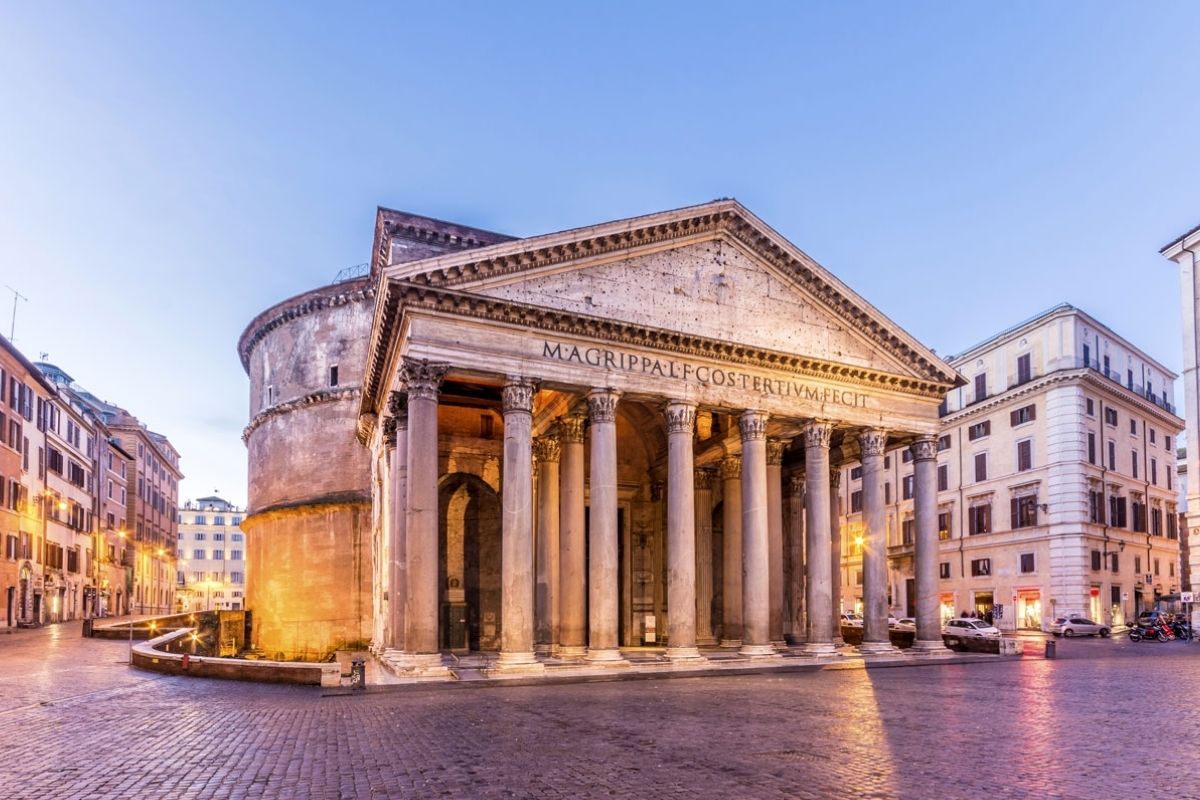
Michelangelo considered it the work of angels. Standing for almost 2,000 years, it still holds the record as the world’s largest unreinforced concrete dome. That record matters more than it sounds: modern engineers have closely studied the Roman concrete formula used here and still can’t entirely replicate its long-term durability. The mix, including volcanic ash from the Pozzuoli area just outside of Naples, produced a material that actually hardens over time when submerged in seawater. Nobody planned that. It just happened.
The €5 entrance fee established in 2023, however, has truly made the experience better. The interior feels calmer. The noise level is lower. And the queue moves at a reasonable pace.
Aim for noon. The Oculus, the circular opening at the top of the dome, sends a single column of sunlight down to the marble floor below. In March, the angle is particularly clean. If it rains, the hidden floor drainage system built into the tiles handles it without any visible pooling. A two-thousand-year-old drainage solution that still works perfectly.
The Leaning Tower of Pisa: Still Not Falling
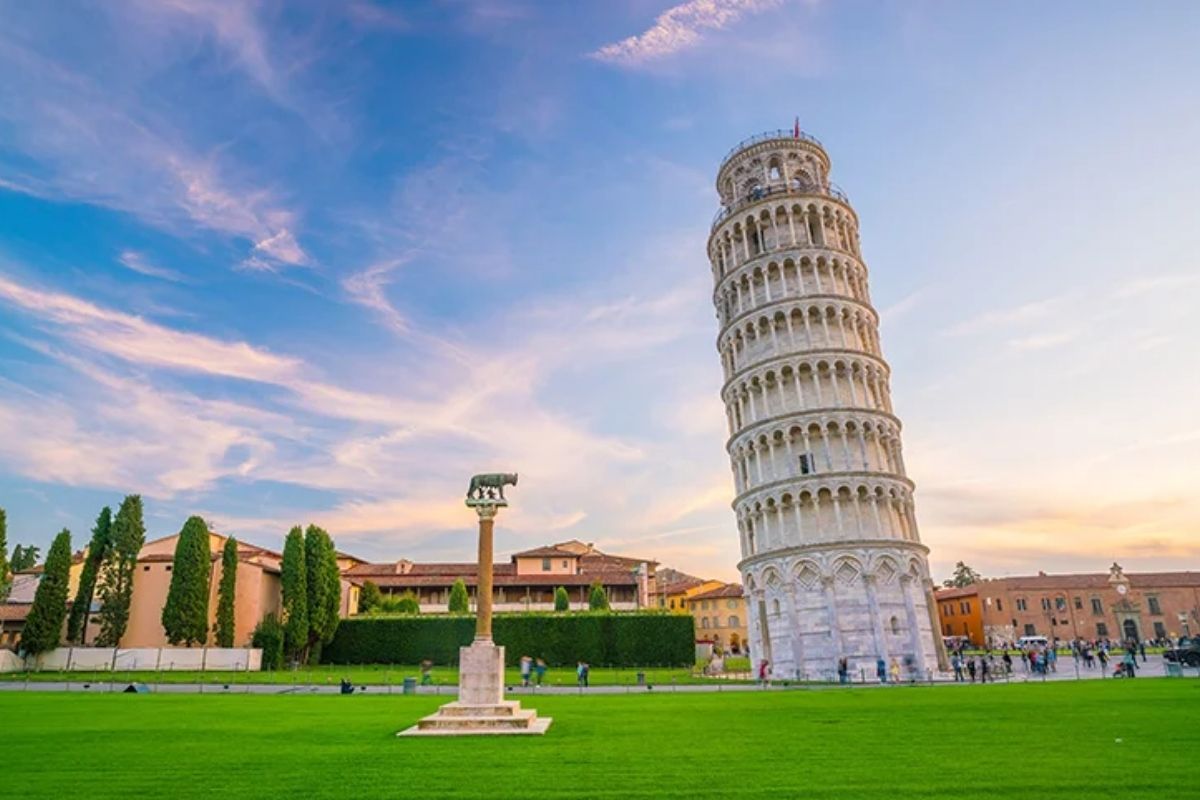
Yes, it’s still leaning. A structural assessment from 2026 confirms that it’s stable enough to remain standing for at least another two hundred years.) Engineers dug out about 70 tonnes of soil from the north side between 1993 and 2001, reducing the tilt by roughly 44 centimeters—not much until you consider that it pulled the tower off a precipice. The current lean is roughly 3.97 degrees, down from the peak of 5.5 degrees it had reached before intervention.
Security on the climb is strict. No bags allowed up the stairs at all. Everything goes into a locker across the square. The 251 steps are worn into shallow marble bowls after centuries of feet; the incline means your body instinctively overcompensates the whole way up. First-timers find it disorienting. That’s normal.
The Campo dei Miracoli that surrounds the tower also includes the cathedral and the baptistery. Most take 10 minutes at the photo, then leave without having seen one or the other. That’s a real shame. The acoustics in the baptistery are particularly striking: in a performance inside, a trained singer or guide creates a natural echo that layers into what sounds like a small choir.
Also Read – What to Do in Bologna Italy
Florence Cathedral (Duomo di Firenze): The Red-Tiled Giant
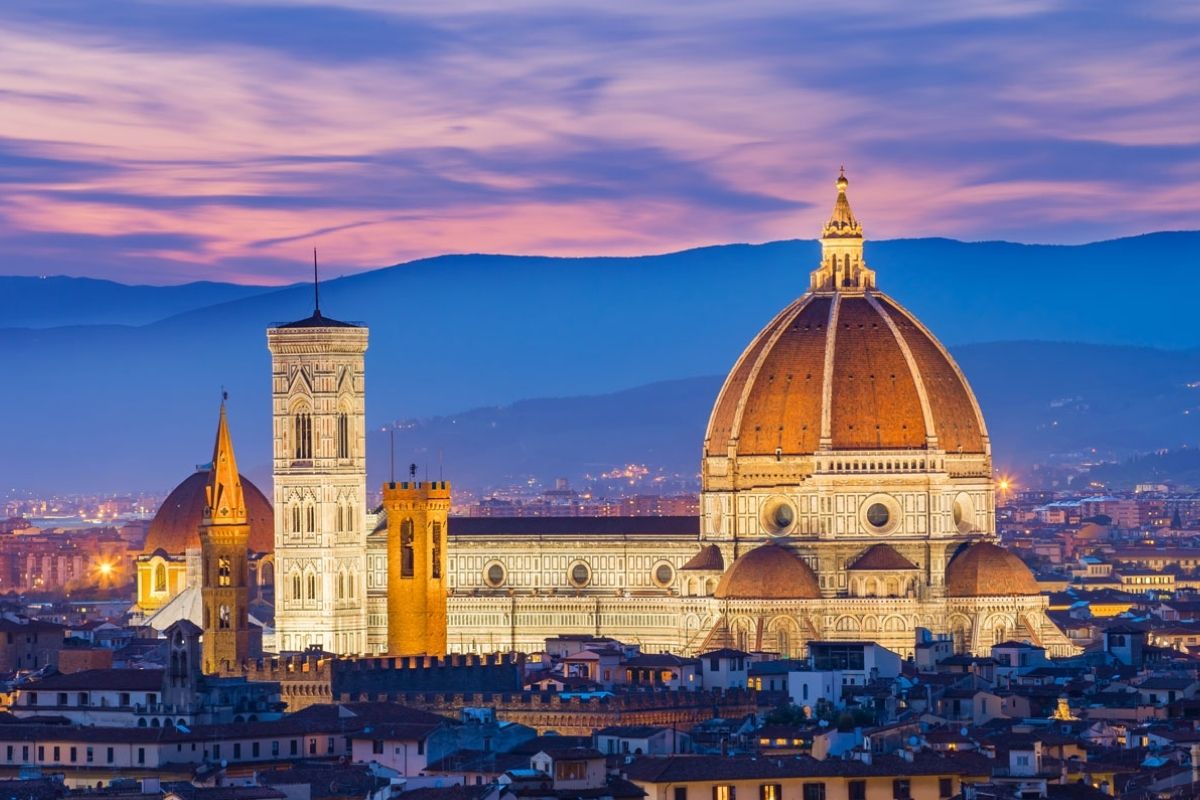
Brunelleschi completed the dome in 1436, and it instantly became the iconic feature of the Florence skyline, a title it hasn’t relinquished since. The first thing that strikes you is the scale. But the more you discover about just how it was actually constructed, the more impressive it becomes. Nobody at the time knew how to build such a dome without temporary wooden supports holding everything in place while under construction. Brunelleschi worked it out anyway, more or less inventing the solution on the fly.
He also devised custom machinery for the task, including a hoisting engine able to move heavy freight without constant realigning. Much of that equipment remains in the cathedral museum, and it seems remarkably modern for a 1400s building.
The dome climb sells out fast, often three weeks ahead during busy periods. If that window has passed, Giotto’s Bell Tower right next door is genuinely worth doing in its own right. Same height, similar views, and from up there, the famous red dome actually appears in your photos rather than being the thing you’re standing on top of.
One thing that catches people out: the entire piazza runs on strict ticketing in 2026, including entry to the cathedral itself at ground level. Even if climbing isn’t the plan, a ticket is still required just to walk inside. Book through the official Opera del Duomo website before you travel rather than hoping to sort it out on the day.
St. Mark’s Basilica, Venice: Gold Mosaics and Rising Tides
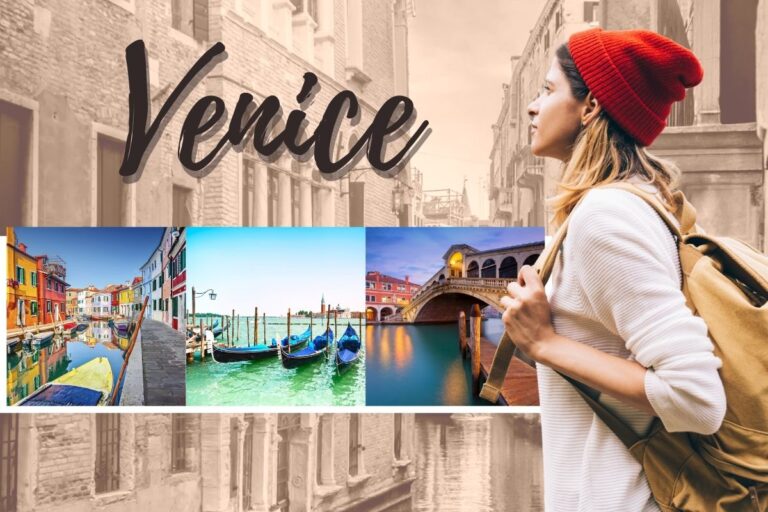
Venice charges day-trippers an access fee on busy days now, anywhere between €5 and €10 depending on the date. You’ll need a QR code from the official portal to get into the historic center on those days. Check the calendar before you book anything, because the fee days aren’t always the ones you’d predict.
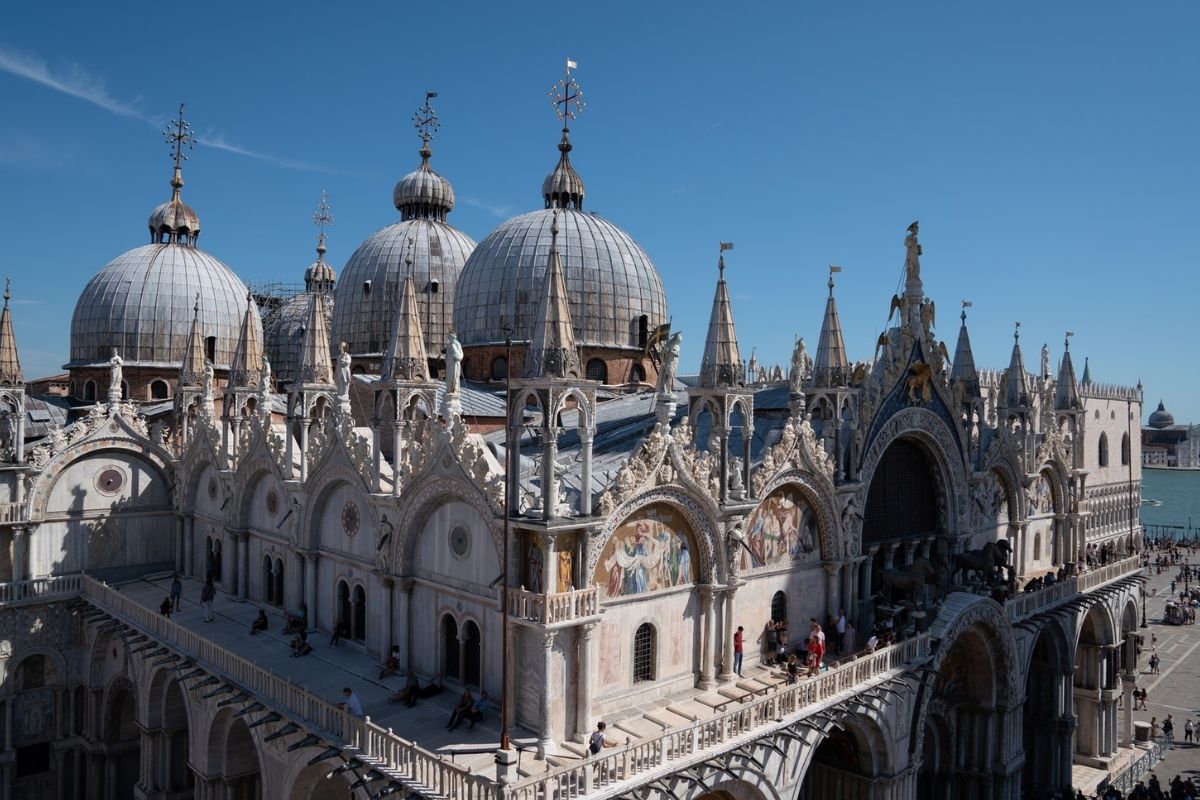
Inside St. Mark’s, most people walk in and immediately look up at the ceiling. Do the opposite first. The marble floors date back to the 11th century, and they’re partially covered by glass panels now, put there to protect the stone from the salt that Acqua Alta flooding leaves behind. Up close, it looks a bit odd, a little museum-like. But those floors took medieval craftsmen years to lay, and the salt was quietly eating through them, so the panels stay.
Then look up. The mosaics cover over 8,000 square meters and were added gradually over several centuries in the Byzantine tradition. The gold tiles, tiny glass squares backed with real gold leaf, were set at slightly different angles on purpose. Stand in one spot, and the ceiling glows a certain way. Take a few steps and the light shifts. The craftsmen who laid them understood exactly what they were doing, building a space that feels alive depending on where you stand in it. That effect hasn’t faded in a thousand years.
Also Read – What to See in Venice
Pompeii: The City That Keeps Giving
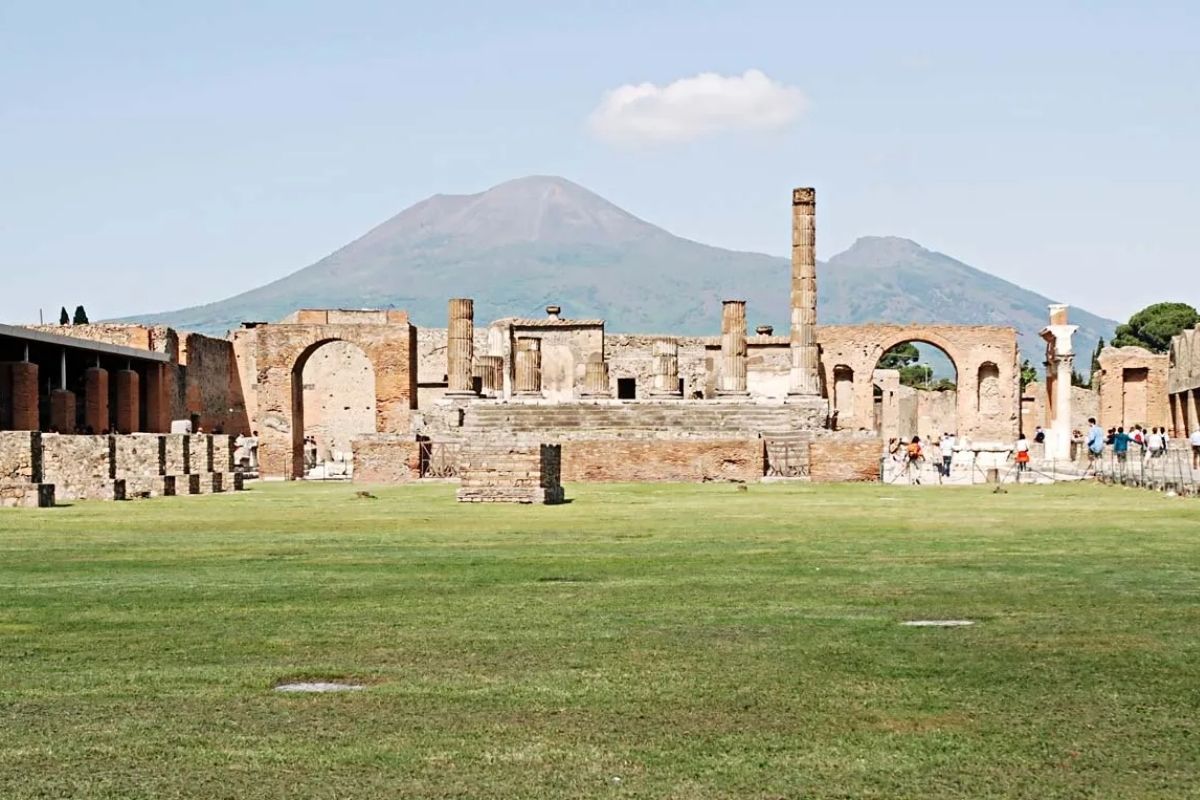
Pompeii is still an active excavation site (as of 2026), which sets it apart from the world’s heritage sites. In late 2025, Pompeii Archaeological Park’s archaeological team unearthed a frescoed triclinium (a formal dining room) within a middle-class abode in Regio IX. The frescoes feature mythological scenes in such vivid colors that they seem painted yesterday.
That chamber has emerged as one of the most talked-about finds in Italian archaeology in years. The House of the Vettii (newly reopened after a lengthy restoration) remains the star for return visitors.
The frescoes in here are among the finest preserved examples of Roman domestic artwork. The colors have survived nearly 2,000 years of being buried underground, and the detail is striking in close-up.
The site covers roughly 160 acres, about two-thirds of which is currently accessible to visitors. Wear genuinely comfortable shoes. The original Roman paving stones are uneven and relentless, and the distances between areas of interest are longer than the map suggests.
Milan Cathedral: Walking Among the Spires
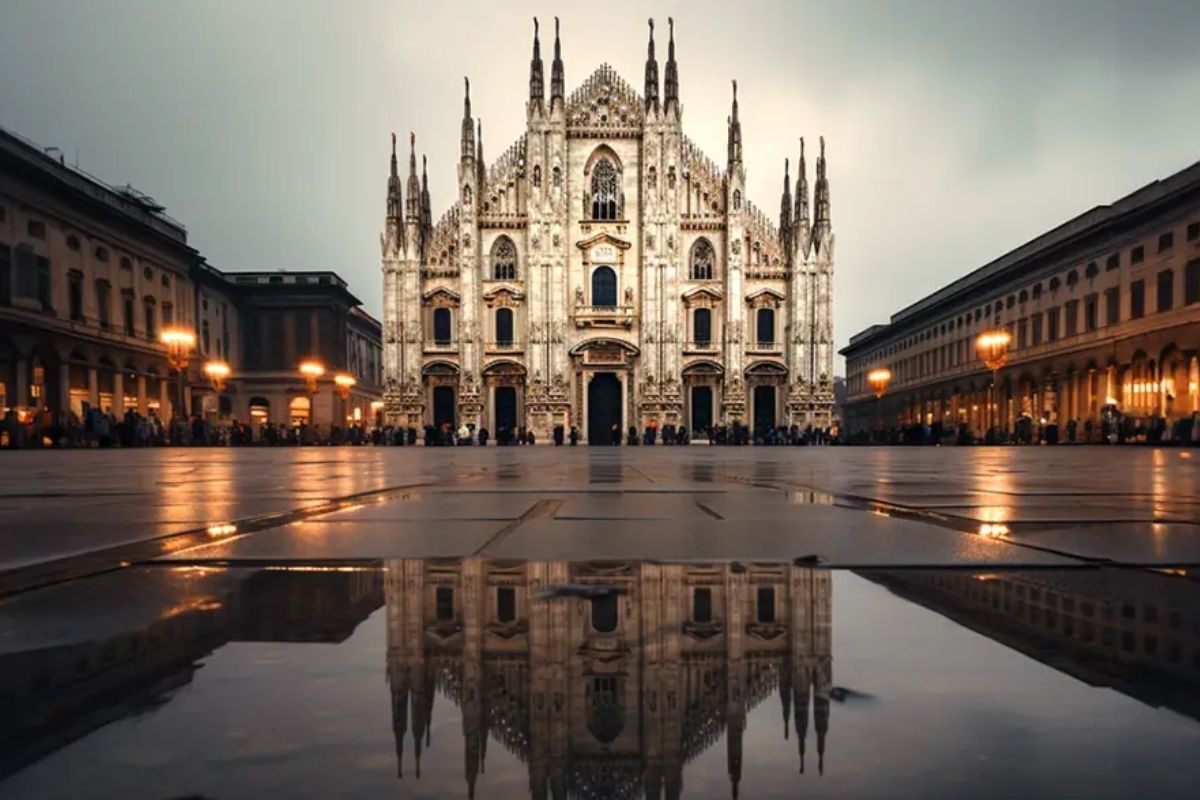
Six centuries. That’s how long the Milan Cathedral took to finish. They started in 1386, and Napoleon finally pushed through the last sections in time for his coronation as King of Italy in 1805 because, apparently, waiting 400 years wasn’t quite dramatic enough. The result is a building that’s part Gothic, part Renaissance, and part neoclassical, built across so many different eras that it probably shouldn’t hold together as a single vision. Somehow it does.
Take the elevator to the rooftop. That’s the bit most people rushing through the piazza below never bother with, which is genuinely their loss.
Up there, you’re walking through a forest of 135 spires and 3,400 statues, and on a clear March morning, the Alps sit right there on the northern horizon as someone painted them in. The Gothic stonework at close range is almost absurdly detailed. You could spend an hour on one small section and keep finding new things in it.
Milan itself rewards more than a quick cathedral visit. The Brera neighborhood, a short walk north, has a quieter, almost village-like feel that catches most first-timers off guard. Good coffee, independent bookshops, and the Pinacoteca di Brera art gallery tucked inside a 17th-century palazzo. The city has layers that the fashion-and-finance reputation doesn’t really advertise, and March is honestly one of the better months to find them.
Also Read – Is Italy Becoming The Luxury Travel Capital
Positano and the Amalfi Coast: Vertical Gravity
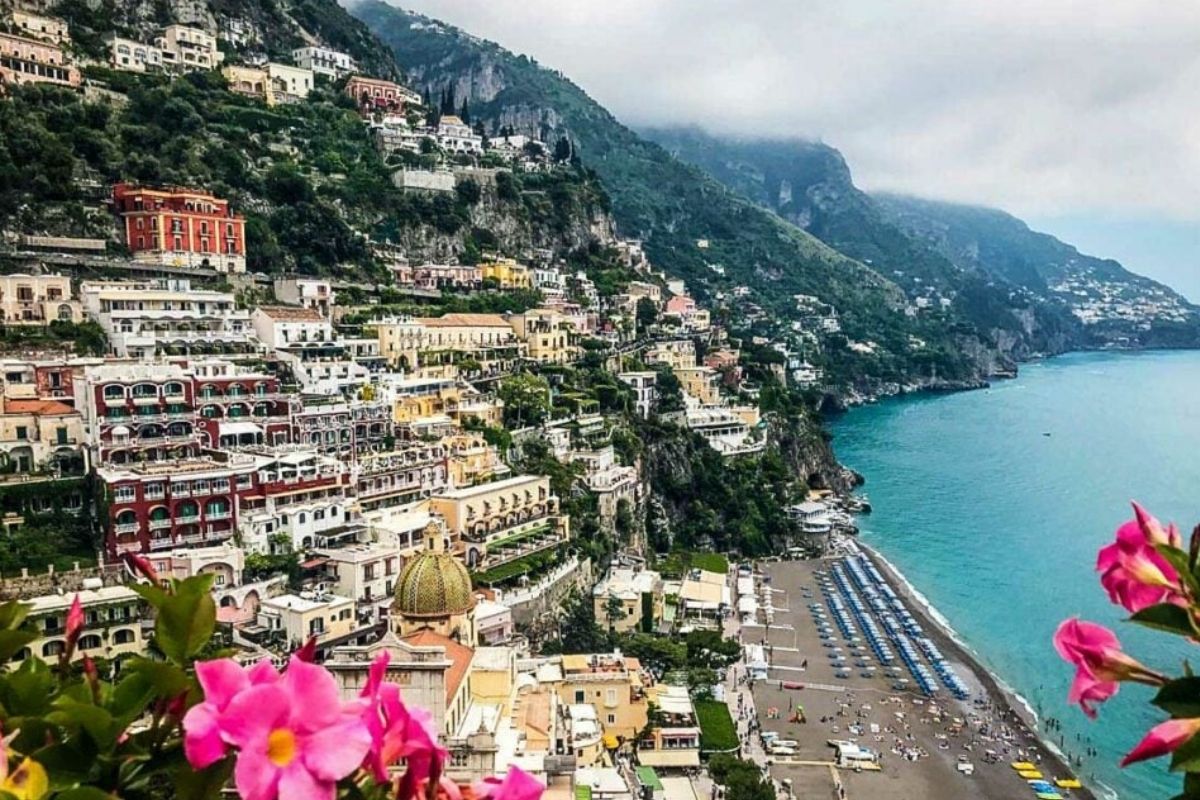
Positano shouldn’t exist, honestly. The houses cling to a cliff that’s basically vertical, painted faded peach, yellow, and terracotta, each somehow balanced on the roof of whatever’s below it. From a boat, it looks completely accidental. Like the village just happened rather than got built.
Steinbeck sat here in 1953 and wrote for Harper’s Bazaar that it’s a dream place, not quite real when you’re there, then stubbornly real once you’ve left. Seventy years on, that’s still the most honest thing anyone’s written about it.
The coastal road, though. Gorgeous and absolutely maddening. Two lanes, blind corners, and tour buses appear from nowhere. Come summer, it stops being a road and becomes a slow-motion queue with sea views. In March, you can actually drive it without losing your mind.
Skip the road altogether if you can. The Path of the Gods runs above everything, from Agerola to Nocelle, roughly three to four hours, completely free. The views down to the water are better than anything you’ll see from a car window, and the height keeps it cool when the coast below is sweltering.
Prices in 2026 have climbed with demand, especially for luxury bookings. May or early October sorts that problem pretty cleanly. The weather holds up, crowds thin out, and the same hotel room costs noticeably less than it would in August.
| Landmark | Location | Entry Fee (2026) | Book Ahead? | Best Time to Visit | Don’t Miss |
| The Colosseum | Rome | €18 and up | Yes, 3 to 4 weeks ahead | Evening night tour | Underground tunnel access |
| The Pantheon | Rome | €5 | Recommended | Noon for Oculus light | Watch the sunbeam hit the floor |
| Leaning Tower of Pisa | Pisa | €20 to climb | Yes | Early morning | The baptistery acoustics nearby |
| Florence Cathedral (Duomo) | Florence | Included in a complex ticket | Yes, 3 weeks ahead | Early morning | Giotto’s Bell Tower if dome is sold out |
| St. Mark’s Basilica | Venice | Free (city fee €5 to €10) | Yes, check the fee calendar | First thing in the morning | The gold mosaic ceiling |
| Pompeii | Near Naples | €18 | Yes, 1 to 2 weeks ahead | Morning opening | House of the Vettii |
| Milan Cathedral (Duomo di Milano) | Milan | €5 to €15 | Recommended | Clear morning for Alpine views | Rooftop walk among the spires |
| Positano and the Amalfi Coast | Southern Italy | Free (Path of the Gods hike) | Hotels book up fast | May or early October | Path of the Gods trail |
FAQs
Is the Trevi Fountain really charging an entry fee now?
There’s a €2 fee to access the lower tier near the water, where coin tossing happens. The full fountain is visible for free from the upper piazza. The fee was introduced to manage crowding near the basin, which had become genuinely problematic.
How do train strikes work in Italy, and how do you avoid getting stranded?
Strikes, called “sciopero,” are announced in advance, and guaranteed trains are always listed. Download the Trenitalia or Italo apps. They show which services will run regardless of industrial action. Mid-March 2026 has some scheduled disruptions, so check before travelling.
Do American or British visitors need anything new for entry in 2026?
The EU’s Entry/Exit System (EES) is rolling out at major airports, including Rome Fiumicino. It involves a quick biometric scan at a kiosk. The process is fast but adds around ten minutes to passport control. It’s not a visa requirement, just a new registration step.
Which of the 8 most famous landmarks in Italy is best for visiting with children?
Pompeii tends to capture younger visitors more than most people expect. The scale, the preserved everyday objects, and the dramatic backstory make it genuinely engaging. The Colosseum underground tours also work well for older children. St. Mark’s Basilica rewards patience, which is harder to sustain with younger kids.
Italy in 2026 operates like a well-reviewed restaurant that stopped taking walk-ins. The food is still extraordinary. You just need a reservation now, and probably one made a few weeks ago. Plan ahead, arrive early, and remember that the best moment of any trip here usually happens somewhere unremarkable, over an espresso in a side street, right before or after the main event.
Sources and References
- Parco Archeologico del Colosseo (Official Site): The primary authority for ticketing and the new identity-linked entry rules for the Colosseum and Roman Forum. colosseo.it
- Venezia Unica & CDA Portal: The official government platform for the Venice Access Fee (Contributo di Accesso) and day-tripper registrations. cda.ve.it
- Opera di Santa Maria del Fiore: The management body for the Florence Cathedral, Brunelleschi’s Dome, and Giotto’s Bell Tower bookings. duomo.firenze.it
- Ministero della Cultura (MiC): For updates on the €5 Pantheon entry fee and the latest archaeological discoveries in Pompeii (2025-2026 excavations). cultura.gov.it
- Trenitalia & Italo Treno: Real-time scheduling for high-speed rail connections and official strike (sciopero) declarations for the March 2026 period. trenitalia.com
- The UNESCO World Heritage Convention: Data regarding the preservation status and engineering stability of the Leaning Tower of Pisa and Venetian lagoon defenses. whc.unesco.org
Recommended