I’m gazing through the window at a drizzly gray morning now, and quite honestly, what’s helping me get through it is thoughts of a big copper pot bubbling away on the back of the stove. It’s February 2026. The air has changed if you are in Milan or traveling north toward the Alps for the Winter Olympics. It doesn’t just smell like cold rain anymore. It smells of toasted buckwheat, melted mountain cheese, and the kind of slow-cooked stews that make you ache for a three-hour nap.
There’s this phenomenon in Italy right now that people are calling “Nonna-stalgia”. It’s a funny word, but it’s real. After years of having “clean eating” and kale smoothies crammed down their throats, Italians as a nation have decided they’ve had enough. We’re back to the heavy stuff. The peasant food. Our grandmothers used to prepare this type of food because it was the only way to survive a mountain winter without central heating.
The Olympic “Butter Belt”
As the Milano-Cortina 2026 Winter Olympics continue in full force, the focus has been on the North. For now, never mind the olive oil. In the mountains, butter is the boss.
I was up in the Valtellina valley last week, and you can’t step 10 feet without someone pressing a plate of Pizzoccheri into your hands.
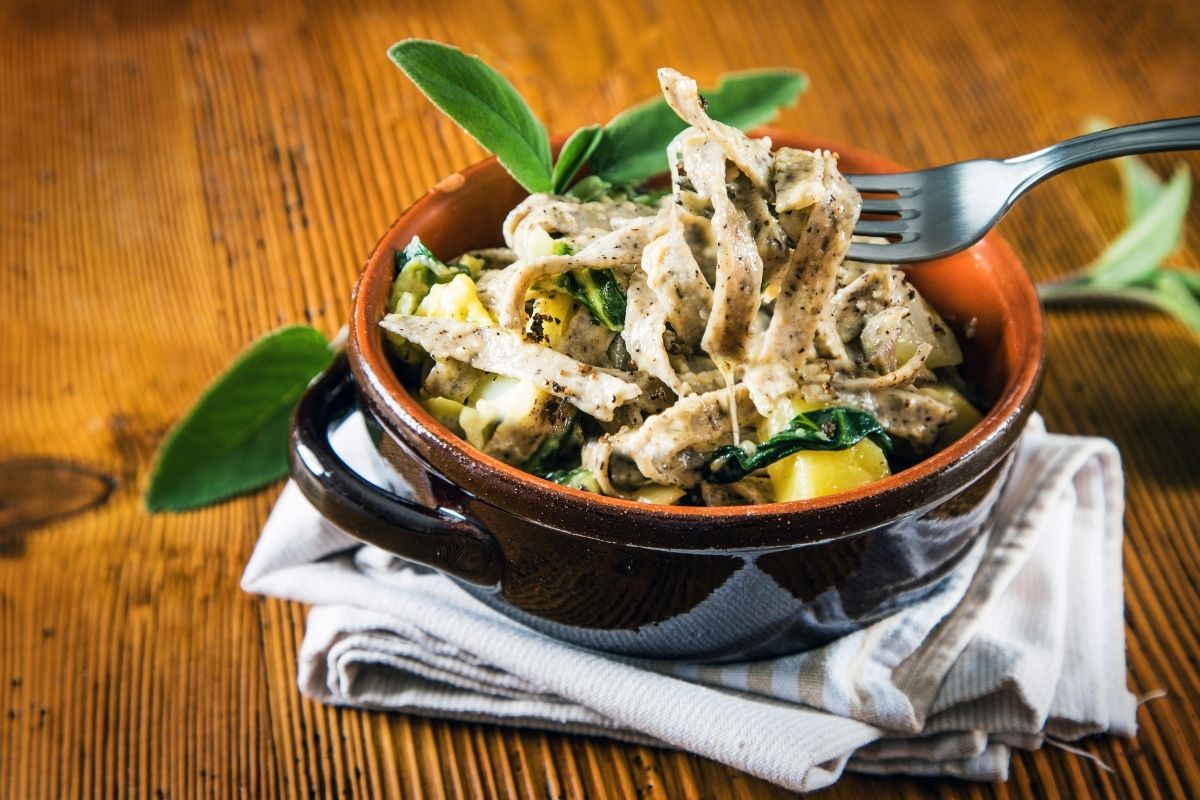
Look, it isn’t pretty. It’s those flat, grayish ribbons manufactured from buckwheat flour. But then you layer them with Swiss chard, potatoes, and a raucous amount of Casera cheese, and something magical occurs. Then they pour a lake of browned butter — sizzled with sage and garlic — right over the top. It’s heavy. It’s intense. And it’s just what Italians eat in winter when the mercury hovers below freezing.
And then there’s the Canederli in the Northeast. These are bread dumplings, pure and simple. It began to get rid of stale bread so that nothing went to waste. They combine the bread with milk, egg,s and little pieces of Speck (the smoky ham) and form balls with them. The trend in February 2026 is to serve them in brodo — steaming beef broth. It’s like a warm hug for your stomach.
Also Read – Why Italy’s Old-School Businesses are Crushing it in 2026
The “Fibre-Maxxing” Bean Movement
It sounds like a tech buzzword, I understand. But “Fibre-Maxxing” is really just a 2026 trend where everybody figured out that beans are the ultimate winter fuel.
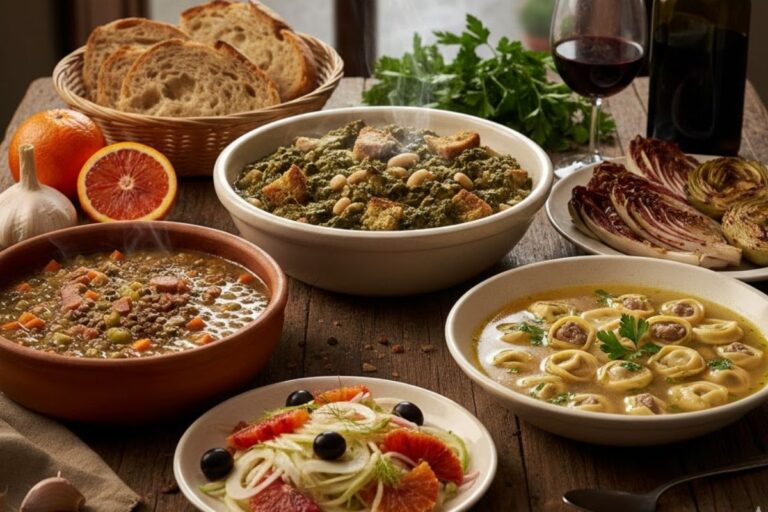
According to the latest Carluccio’s Food Report, they are no longer a side dish. They’re the main event. Take Ribollita from Tuscany. It literally means “reboiled.” Take leftover bean soup, add some stale bread and black kale (cavolo nero), and cook it until you can stand a spoon straight up in the middle of it.
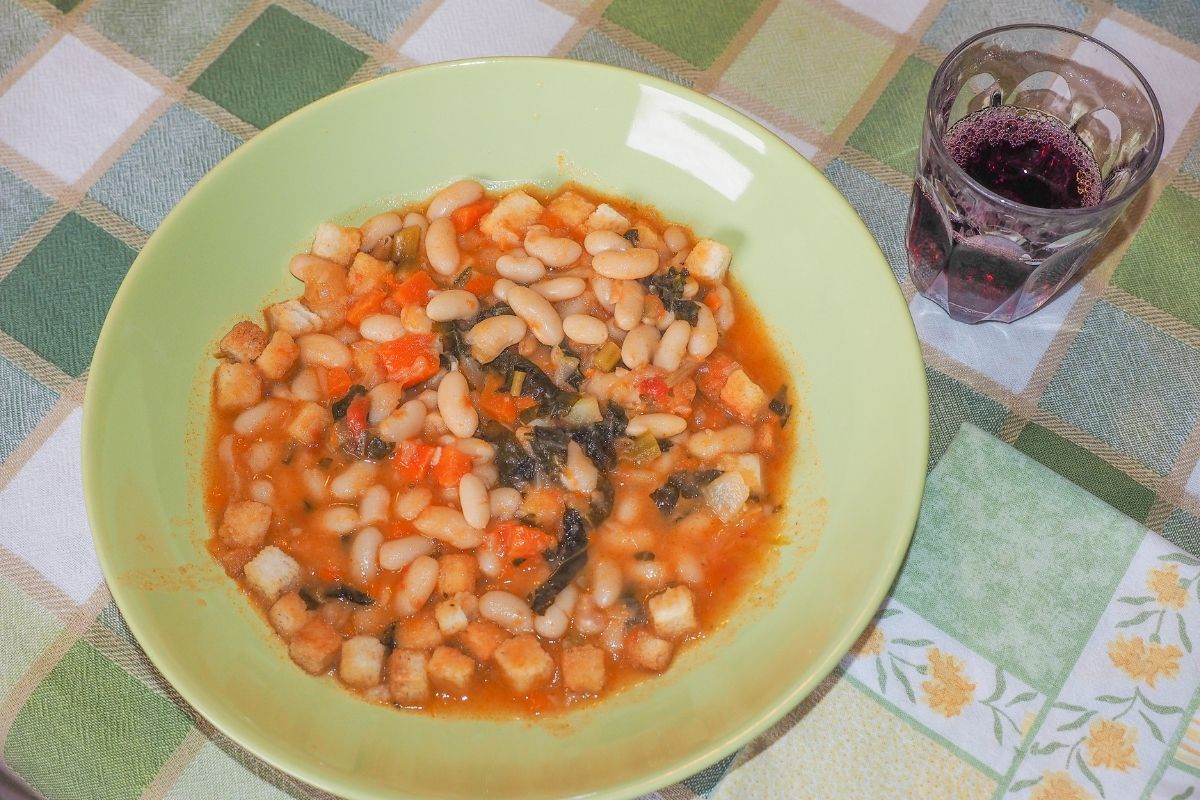
The crazy part this year? There’s a “swicy” dimension popping up as well. I have seen children on TikTok drizzling ‘Nduja-infused honey over their bean soup. It’s a little funky, but that pop of spicy honey with the earthy beans? It works. It’s the high-contrast flavor we crave during short, dark days.
Why We’re All Obsessed with Bitter Purple Leaves
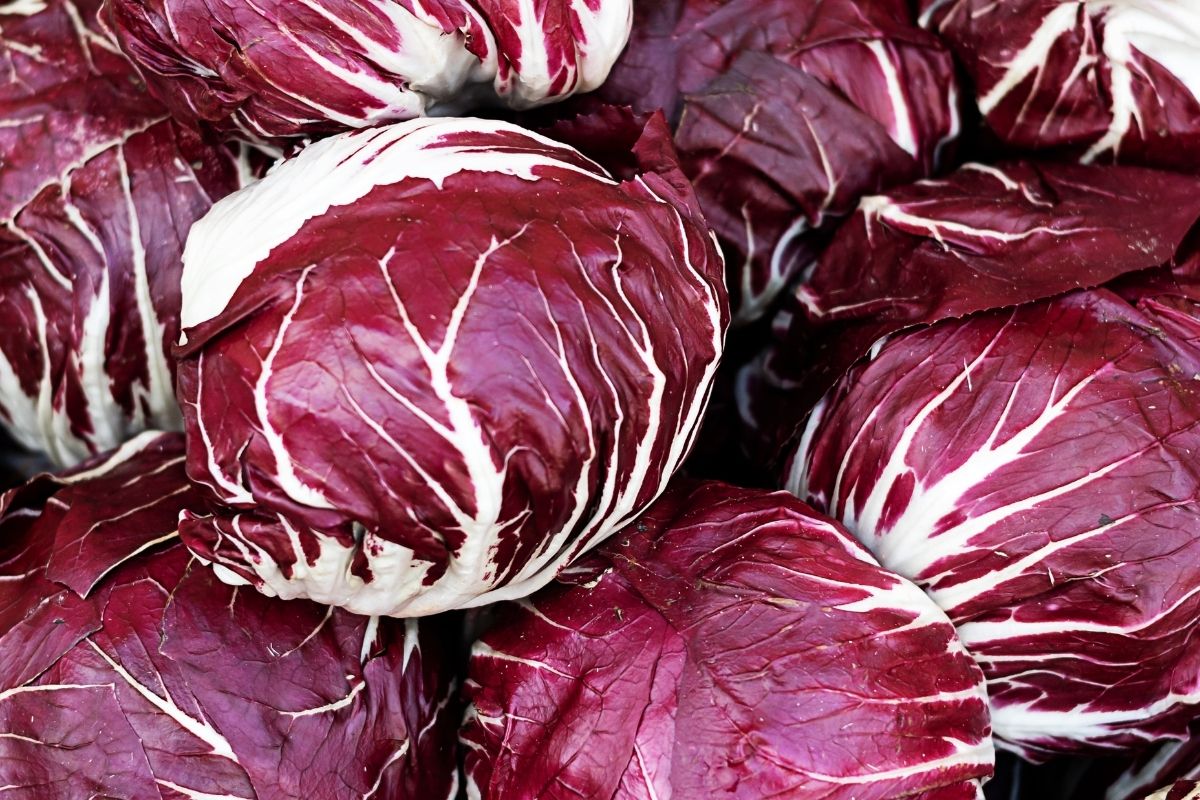
If you were to visit a market in the Veneto region today, you’d come across Radicchio Tardivo. It appears to be a mass of red octopus tentacles. It is expensive, but the wait is worthwhile because it tastes best after the first frost hits the fields.
Italians are obsessed with it in 2026. We’re grilling it and tossing it with risotto, pairing it with a tangy piece of Gorgonzola. It’s bitter, true, but it’s the elegant sort of bitter that makes you feel like an adult.
And don’t even get me started on the citrus. Insalata Siciliana — blood oranges and fennel — is all over the place. It’s the perfect “palate cleanser” right after you’ve eaten a plate of fatty pork.
The Carnevale Sugar Rush
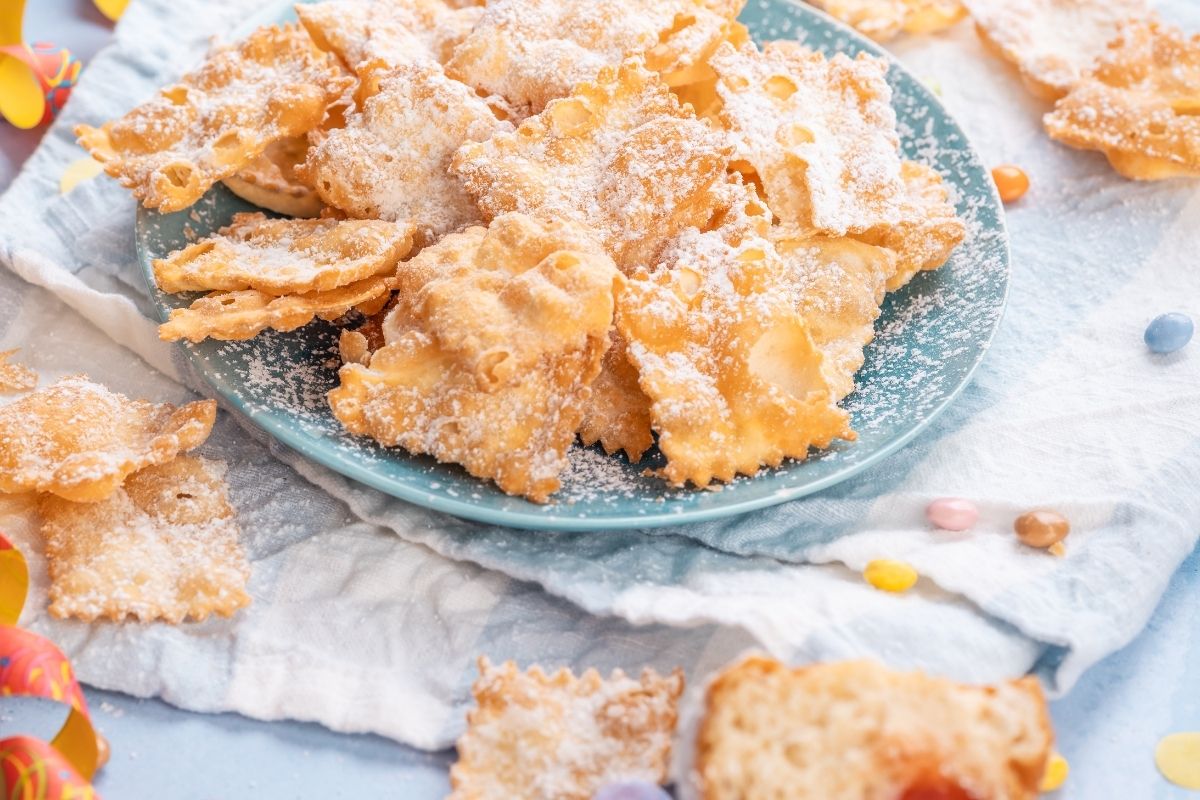
It’s February, so Italy currently smells like a giant deep fryer. It’s the heart of Carnevale, which means no diets allowed.
Every bakery window is full of Chiacchiere. They’re these thin, crispy strips of fried dough that are smothered in enough powdered sugar to make you cough. They break when you bite them. In Venice, however, the focus is on Frittelle. These are small, fried donuts filled with pastry cream. Yesterday I saw a line for them that was a block long. People are not interested in how many calories; they care about the tradition.
Also Read – Why Young English Footballers Are Leaving the Premier League in 2026
The Human Side of the Plate
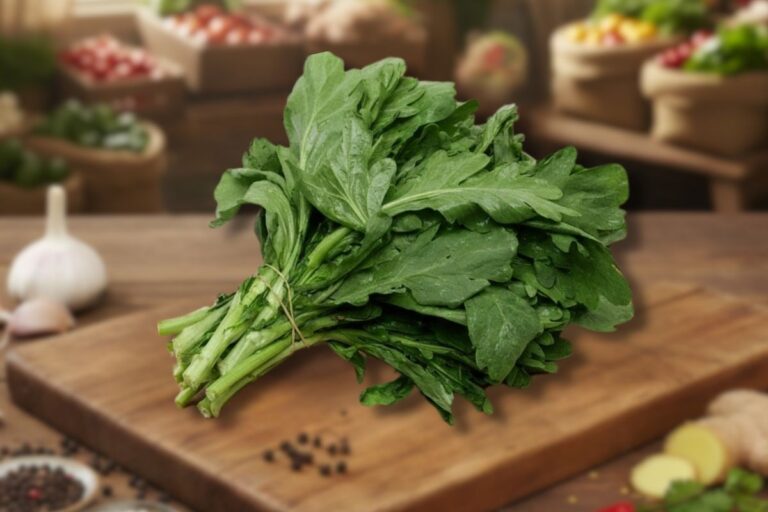
I mean, the truth about why we would eat like this in 2026 isn’t just because it’s delicious. It’s because we’re tired. We’re over fake food and lab-grown “meat” and Instagrams of professionally stylized meals. We want the “Forgotten Harvest”. We want the ugly vegetables — the thistles, Jerusalem artichokes, and knobbly roots.
In 2026, luxury is not a gold-leaf steak. It is a bowl of soup brewed out of stuff that was yanked from the mud two miles from here. It’s honest. It’s real. And it reminds us who we are.
A Quick Look at the Winter Staples
| Dish | Where it’s from | The Vibe |
|---|---|---|
| Osso Buco | Milan | The “Olympic” meal of 2026. Veal and saffron rice. |
| Cassoeula | Lombardy | A heavy pork and cabbage stew. Ultimate soul food. |
| Castagnaccio | Tuscany | A chestnut flour cake. No sugar, just earthy vibes. |
| Pasta e Ceci | Rome | Chickpeas and pasta. Simple, cheap, and perfect. |
Also Read – The 2026 Winter Olympics Are Here
A Few Things You Might Wonder
Is it true Italians won’t give you ice in the winter?
Yeah, pretty much. People think ice-cold water is a disaster for your digestion, especially if you’re eating heavy fats like polenta or cheese. You will get room-temperature water but not hot water, and you’ll probably prefer it that way.
What’s with all the cabbage?
Right now it’s all about Savoy cabbage. The trick is that it has to “take the frost”. The cold weather, in fact, has made the leaves sweeter and softer. Which is why Food Italians eat in winter almost always includes some form of stewed cabbage.
What should I drink with all this heavy food?
You need a red wine with some backbone. A Barbera is great because it’s velvety but has enough punch for the cheese. Or a Chianti Classico the acidity cuts right through the fat of a pork stew.
What’s the “wrong” cocktail everyone is drinking?
You’re thinking of the Negroni Sbagliato. It’s made with Prosecco instead of gin. It’s bubbly and a bit lighter, making it the top choice for a winter aperitivo in 2026.
Anyway, that’s the state of the plate. It’s messy, it’s buttery, and it’s a whole lot of fun. If you’re not eating something that requires a nap afterward, are you even doing winter right?
Sources and References
- Gambero Rosso – Traditional Winter Recipes of Italy – A primary source for authentic regional recipes and historical context for winter staples like Pizzoccheri and Canederli.
- Carluccio’s 2026 Food Report: The Legume Renaissance – Insights into the “Fibre-Maxxing” trend and the resurgence of ancient grains and pulses in modern Italian households.
- La Cucina Italiana – The Science of Winter Vegetables – Documentation on why frost-ready vegetables like Savoy Cabbage and Radicchio Tardivo are essential to the winter diet.
- Milano-Cortina 2026: The Culinary Legacy of the Games – Official cultural section detailing how Northern Alpine cuisine became the centerpiece for the 2026 Winter Olympics.
- The Silver Spoon (Il Cucchiaio d’Argento) – Seasonal Eating Guides – The definitive Italian resource for seasonal ingredient calendars and traditional cooking techniques.
Recommended