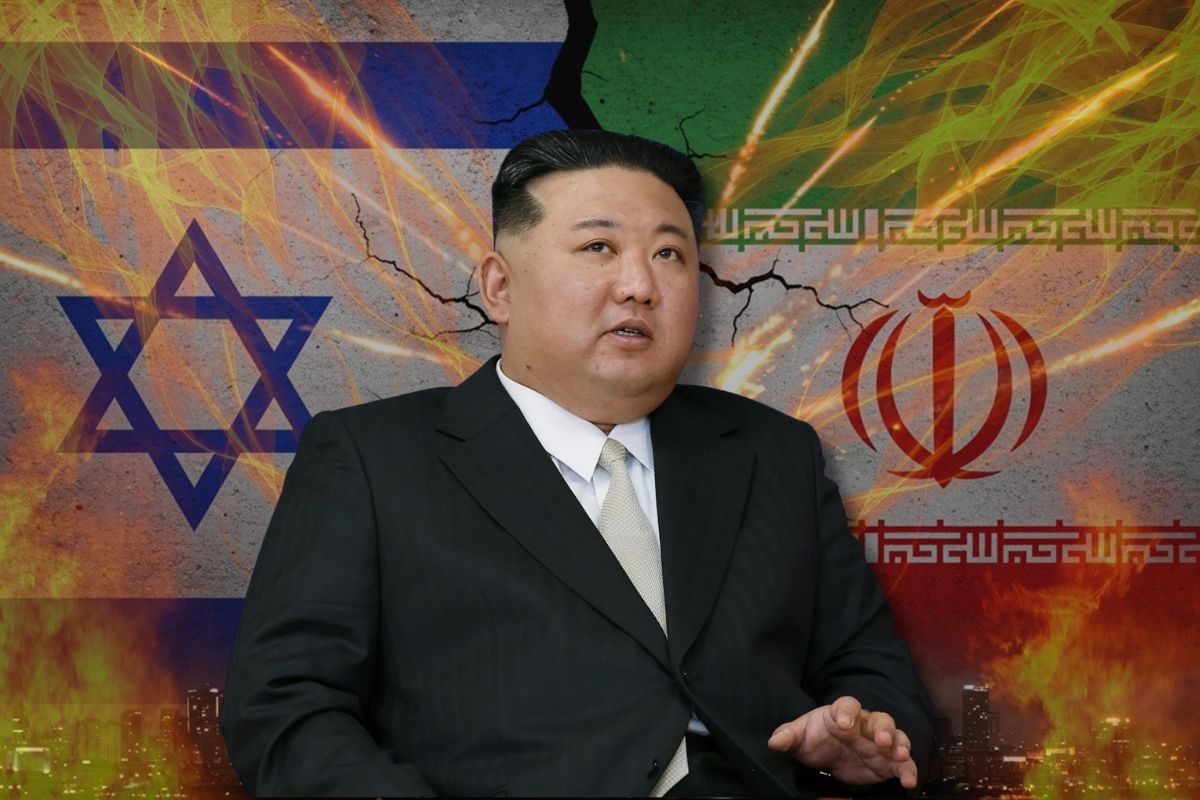
As of March 5, 2026, the prospect of North Korea joining the Iran–Israel war has moved from a dark theory to a top-tier national security threat for the United States. Following the February 28 strikes in Tehran, intelligence officials warn that Kim Jong Un is likely providing “turn-key” missile tech to a desperate Iranian leadership. This move triggers a massive US reaction to North Korea’s involvement, forcing the Pentagon to pull missile defenses away from the Pacific and potentially sparking a “second front” right on South Korea’s doorstep.
The atmosphere in the Situation Room is likely well beyond tense. It’s March 5, 2026, and everyone from the Pentagon to the State Department is looking at grainy satellite feeds of the Iranian desert. While we’re all still processing those strikes on February 28 that, according to multiple reports, took out the Supreme Leader, a different shadow is falling across the map—one directed from Pyongyang. The Kim Jong Un Iran Israel War connection isn’t some “what if” scenario anymore. It’s the variable that could turn a regional fight into a global nightmare.
Let’s be real: Iran is backed into a corner. Their leadership is a vacuum, and their streets are in chaos. When a regime gets this desperate, they don’t look for a seat at the UN; they look for a lifeline. And in the world of high-end missiles and “no-questions-asked” deals, Kim Jong Un is the guy you call.
The “Axis of Desperation”: North Korea–Iran Alliance
To get what’s happening, you have to realize the North Korea-Iran alliance isn’t just a political stunt. It’s a marriage of survival. I’ve watched these two for over a decade, and it’s always been a simple, dirty trade: Iranian oil for North Korean “know-how.”
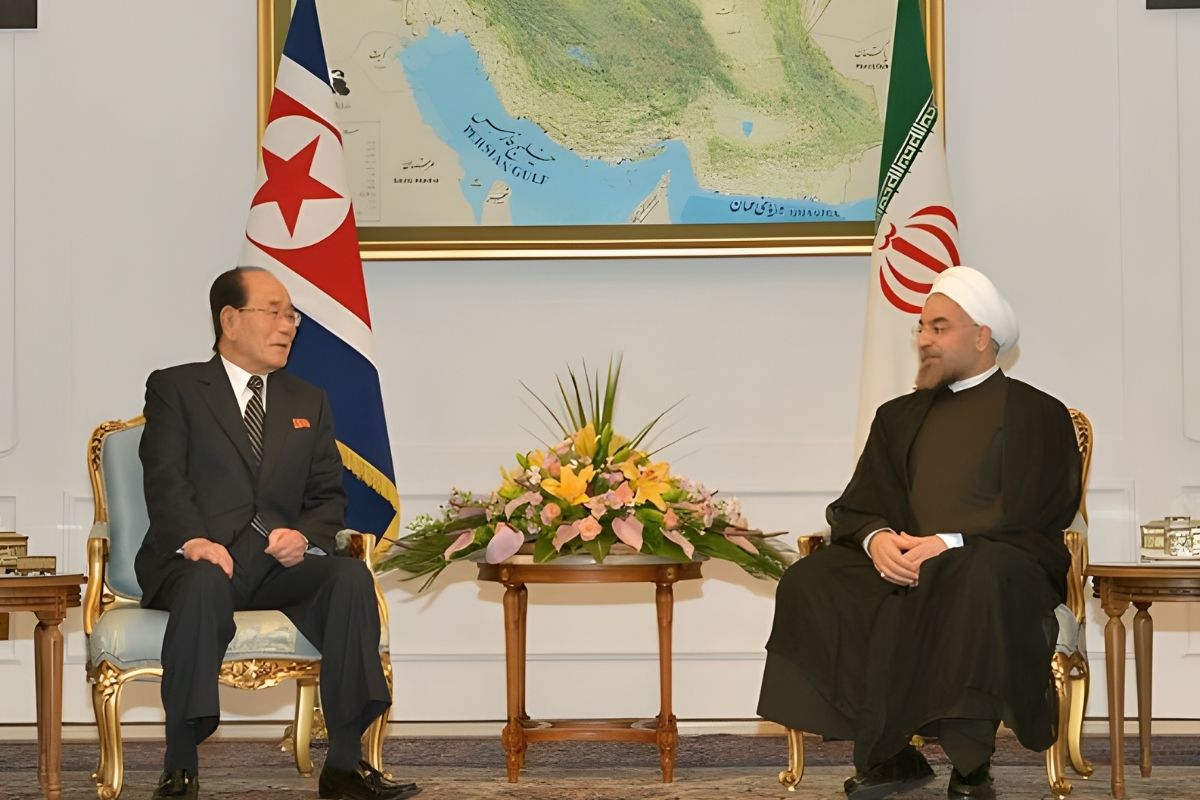
But today, the stakes are wild. With the Iran Israel war escalation hitting a fever pitch, Tehran doesn’t have time for ten-year research projects. They need “plug-and-play” lethality. Intelligence reports from groups like 38 North show that cargo flights between Pyongyang and Tehran have tripled since late February. We aren’t talking about spare parts; we’re talking about the blueprints for staying in power.
The “Turn-Key” Weapons Threat
The scariest part isn’t a North Korean battalion landing in Bandar Abbas. It’s the “Ghost Soldiers”—specialized engineering and electronic warfare (EW) units from the Korean People’s Army.
Right now, Iran’s biggest problem is that it’s fighting blind. Their air defenses are getting shredded. Kim Jong Un has spent years perfecting “asymmetric” warfare. If he sends over EW specialists to help Iran rebuild its “Kill Switch” or manage those massive drone swarms, the North Korea-Israel conflict becomes a very real proxy war.
Then there’s the hardware. We’ve all seen the parades with the North Korea missile range (Hwasong-17, etc.). While the Hwasong-17 is meant to threaten our West Coast, the smaller, “battle-tested” variants like the KN-23 are perfect for the Middle East. If these start showing up in IRGC launch sites, Israel’s “Iron Beam” and our own Navy’s Aegis systems are going to be pushed to a breaking point that, honestly, nobody is ready for.
The North Korean “Threat Kit” in the Middle East
| Technology Type | Specific Model | Primary Function in 2026 Conflict |
| Ballistic Missiles | KN-23 / KN-25 | Precision strikes on hardened targets; designed to bypass “Iron Dome”-style defences. |
| Electronic Warfare | KPA “Advisors” | Jamming US/Israeli satellite signals to mask IRGC troop movements. |
| Strategic Deterrence | Hwasong-17 Tech | Miniaturized warhead blueprints to provide Iran a “nuclear umbrella” shortcut. |
| Cyber Systems | Lazarus Group Units | Launching retaliatory hacks on US financial infrastructure to offset sanctions. |
US Reaction to North Korea’s Involvement: The Two-Front Trap
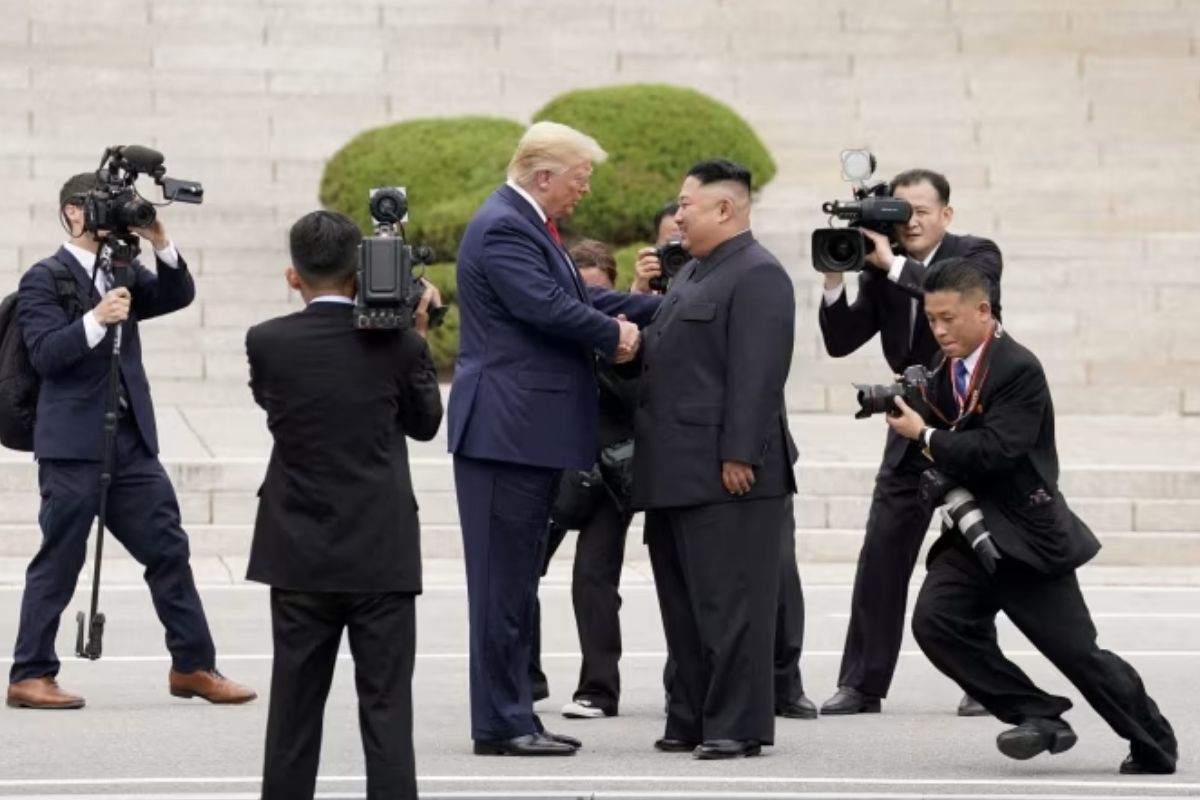
So, how does the US respond? Honestly, it’s a logistical nightmare for Washington. The US reaction to North Korea’s involvement has to be fast, but it’s a total trap.
If the Pentagon moves more Patriot batteries or carrier groups to the Persian Gulf to counter North Korean tech, they leave a massive gap in the Pacific. That’s exactly what Kim Jong Un is banking on. Reports are already coming out of DC that officials are scrambling to reassure Seoul that we won’t leave them hanging.
A North Korea-Israel war by proxy means the US is suddenly fighting a two-theater war. It stretches the fuel lines, the ammo dumps, and the mental bandwidth of our leaders to the limit. If Kim thinks we’re too bogged down in the Middle East, he might decide it’s the perfect time to test the “Red Line” back home on the Peninsula.
Global Economic Shocks and American Wallets
Look, if this goes south, your morning Starbucks and your commute to work are going to get a lot more expensive. The Iran Israel War escalation has already put a chokehold on the Strait of Hormuz. Add North Korean unpredictability to that, and the stock market is going to lose its mind.
Experts have already noted that even a small widening of this war could wipe out billions in global growth. For Americans, that means gas prices hitting numbers we haven’t seen in years.
Diplomatically, it’s a wreck. China is in a weird spot. They don’t want a world war, but they’re not exactly shedding tears over US embarrassment. If Kim Jong Un punches in, Beijing has to rein him in or contend with a massive expansion of the U.S. military presence in their backyard. It’s a high-stakes game of poker, and it feels like everyone is all-in.
What’s the Endgame?
The “Verdict” among the pros—and honestly, just from common sense—is that North Korea is a “force multiplier”. They don’t need to win the war for Iran. They just need to make it so bloody and so expensive that the US decides it’s not worth the price of staying.
If we see a 7th nuclear test in Pyongyang alongside a new shipment of drones to Tehran, we’ll know the “Axis of Resistance” has officially gone global. It’s a heavy thought, but in March 2026, it’s the reality we’re facing.
FAQ: The Pyongyang-Tehran Connection
Q: Are there actually North Korean troops in Iran right now?
A: No confirmed reports of combat boots as of March 5. However, intel suggests “technical advisors” and engineering units are on the ground helping with missile maintenance.
Q: Can a Hwasong-17 actually reach Israel?
A: Unlikely. The North Korea missile range (Hwasong-17, etc.) is for hitting the US. But the technology from those big rockets is being scaled down into shorter-range, highly accurate missiles for Iran.
Q: What is the US doing to stop this?
A: The US is trying to balance a massive presence in the Gulf while keeping the Indo-Pacific safe. It’s a “strategic flexibility” test that’s getting harder every day.
Q: Could this lead to a war in Korea, too?
A: That’s the big fear. If Kim Jong Un thinks the US is too distracted by the Iran Israel War, he might take a shot at provocations on the Peninsula.
Honestly, it feels like we’re watching a masterclass in making a mess. Kim Jong Un knows we’re distracted, and he’s never been one to let a good crisis go to waste. The real worry isn’t just a missile launch, it’s the slow, steady breakdown of global order while these two regimes cling to each other.
The world is a lot smaller than it used to be. A spark in Tehran and a “test” in Pyongyang are now two sides of the same very dangerous coin.
Sources and References
- CFR: After Khamenei – Planning for Iran’s Leadership Transition – Council on Foreign Relations analysis of the power vacuum following the February 28 strikes.
- ISW Iran Update: The Tactical Shift in Tehran (March 4, 2026) – Institute for the Study of War report on the erosion of Iranian security forces and foreign technical aid.
- 38 North: Monitoring North Korean Missile Transfers – Real-time tracking of North Korean hardware and the North Korea Iran alliance logistics.
- The Guardian: Middle East War & Global Living Standards – Detailed breakdown of the economic “splashback” affecting Western households in early 2026.
- House of Commons: Iran Protests and International Responses (2026) – Official briefing on the “Kill Switch” internet blackout and the humanitarian crisis.
- Lowy Institute: Why Kim is in No Rush to Talk – Strategic analysis of Kim Jong Un’s opportunistic foreign policy during US-led conflicts.
Recommended