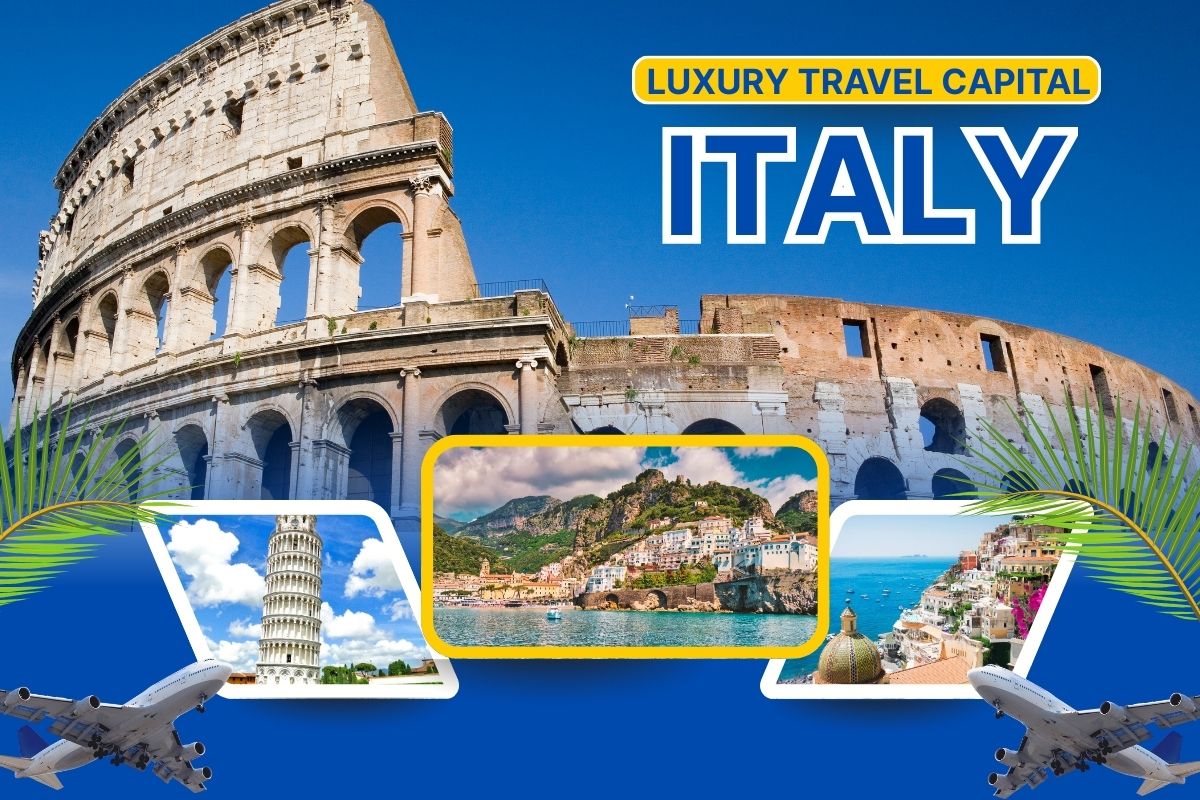
There’s a particular sound you hear in Italy when money is in the room.
It’s not the obvious sounds, such as the roar of sports cars or the popping of champagne corks. I mean the quieter signals. A hotel door that shuts with a soft, heavy click, a private boat engine humming low on Lake Como at dusk, or a concierge saying, “Of course,” without reaching for a clipboard.
And lately, those signals are everywhere.
If you’ve been watching travel closely, you’ve probably felt it too. Italy isn’t only “popular” right now. It’s becoming the place where luxury travel gets defined. Not by gold taps or designer logos, but by access, timing, and the sense that you’ve slipped into a version of the country most people never touch.
So let’s ask the actual question: Is Italy Becoming the Luxury Travel Capital of 2026? Or is it just benefiting from a loud year, a few big openings, and social media doing what it does best?
Here’s the thing. Luxury travel has changed. People with serious budgets are less impressed by “five-star” and more obsessed with “five minutes alone”. They want privacy, control, and stories that don’t look copied from a brochure.
Italy, almost annoyingly, fits that new mood. It’s got fashion cities, lakes, mountains, islands, vineyards, art, food, and the kind of history that makes even a simple hallway feel dramatic.
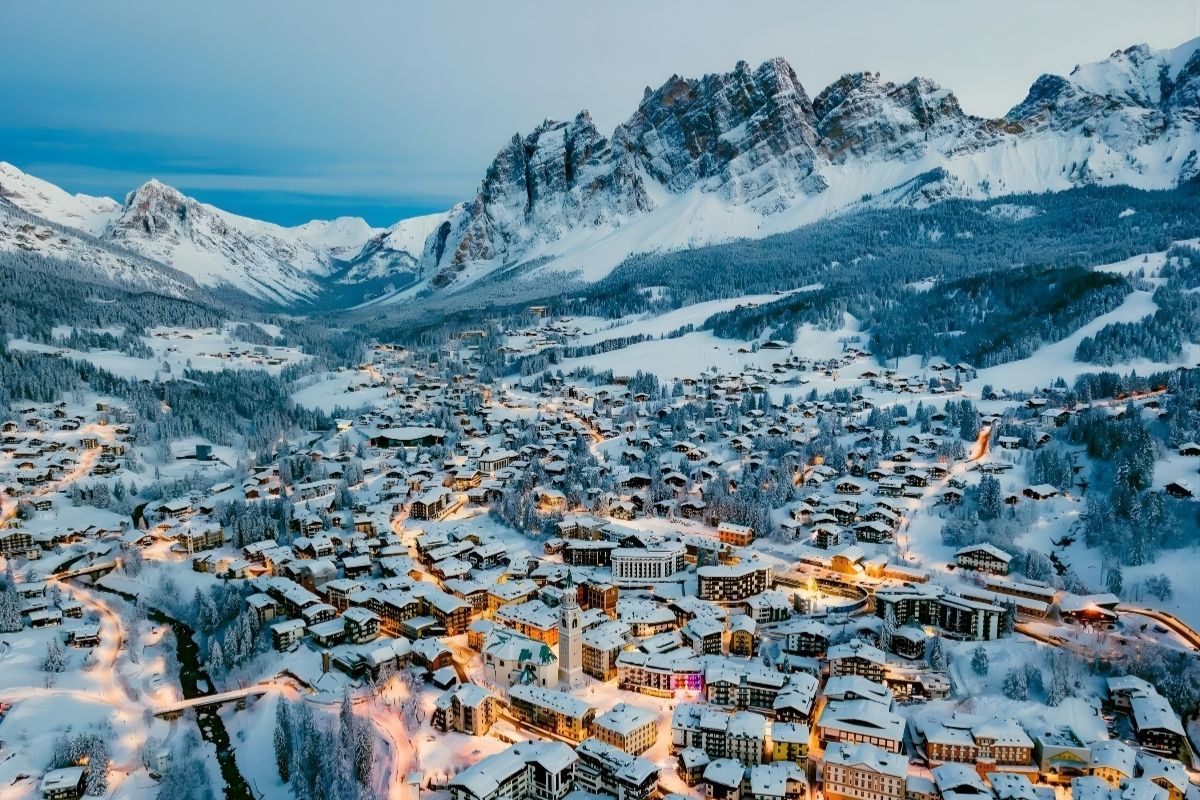
And in 2026, Italy has a big spotlight on it anyway. The Milano Cortina Winter Olympics run from 6 to 22 February 2026, which is already pushing attention, bookings, and upgrades in the north.
Now let’s get into what’s really going on.
The Big Pull In 2026: Events, Optics, And Better Service
Luxury travellers follow two things: big cultural moments and smooth logistics.
Italy has both right now, especially in the north. Milano Cortina doesn’t just mean sport. It means new hospitality investment, refreshed transport links, and that slightly charged feeling cities get when the world’s watching.
You see it in the way hotels train staff harder, restaurants tighten menus, and drivers suddenly show up early.
Milan also has another advantage: it already knows how to do premium. It’s not pretending, but it has been serving fashion week crowds for years. The Olympics just adds jet fuel.
And if you’re the kind of traveller who likes a reason to justify a trip, an event year gives you that. It’s easier to say, “It’s for the Games,” even if your real plan involves shopping, aperitivo, and a suite with a view.
Venice And The New Luxury: Fewer Day Trippers, More Space
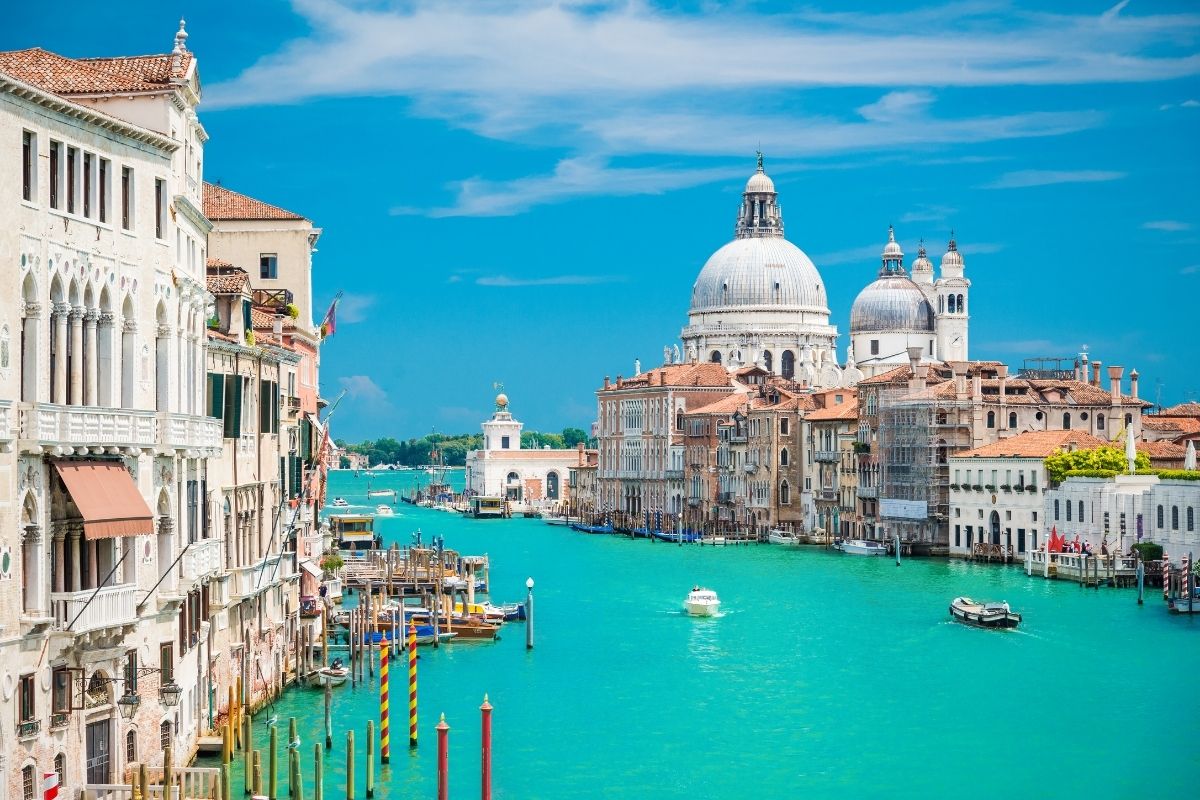
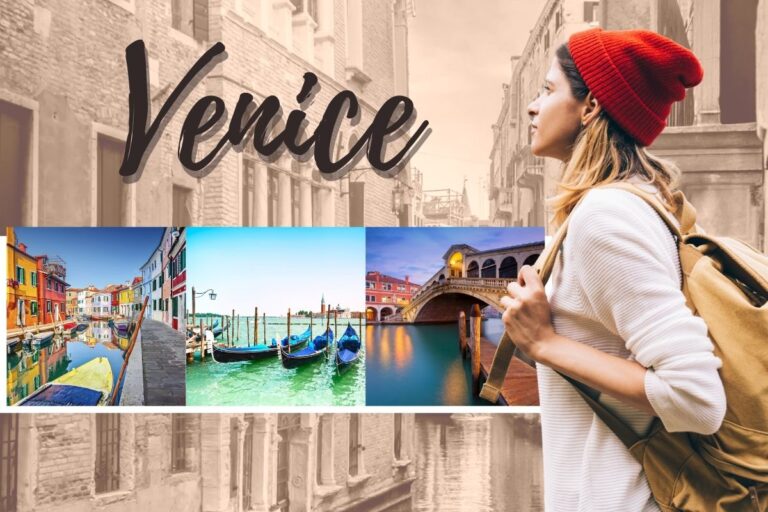
Venice is the perfect example of how Italy is trying to handle its fame. It’s gorgeous. It’s also been worn down by quick visits that leave little behind except rubbish and gridlock. So the city is leaning into a different model: control the crowd.
In 2026, Venice continues with its day visitor access fee system on selected dates, with a lower fee for booking ahead and a higher fee closer to the visit. The city’s own official information sets out the basics, including the idea of €5 with early booking and €10 for late booking.
That matters for luxury travel in a very simple way. Less crush means better Venice. Fewer queues. Easier water taxis. More calm in the narrow lanes at night. And if you’re paying proper money for a hotel, you don’t want a city that feels like a theme park at midday.
So yes, it’s partly about tourism management. But it also ends up protecting the premium experience, whether that’s the intention or not.
The Quiet Renaissance: Where Italy’s Luxury Scene Is Really Moving In 2026
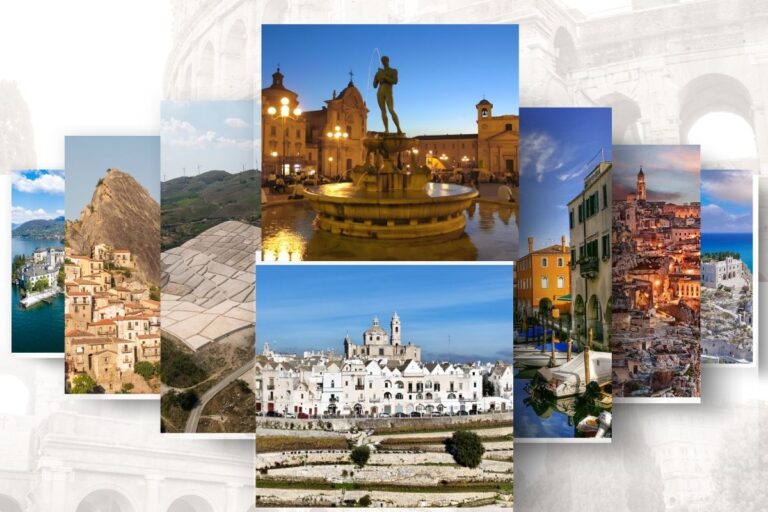
Here’s the bit most people miss. Rome, Florence, Venice. They’re still the front door. But in 2026, a lot of luxury travel energy is drifting away from the obvious stops and into the borghi, Italy’s historic small towns. Not because travellers suddenly hate big cities. Because luxury has changed.
High-end travel right now is less about “look at me” and more about “leave me alone, but make it beautiful”.
Condé Nast Traveller’s Gold List for 2026 leans into places with character and craft, not just shiny newness. Forbes Travel Guide, meanwhile, has been tracking the wave of high-profile openings and restorations that turn a “quiet place” into a serious luxury base.
Noto, Sicily: Take Noto in Sicily. It’s a UNESCO-listed baroque town with honey-coloured stone, long shadows at sunset, and streets that still feel properly lived in.
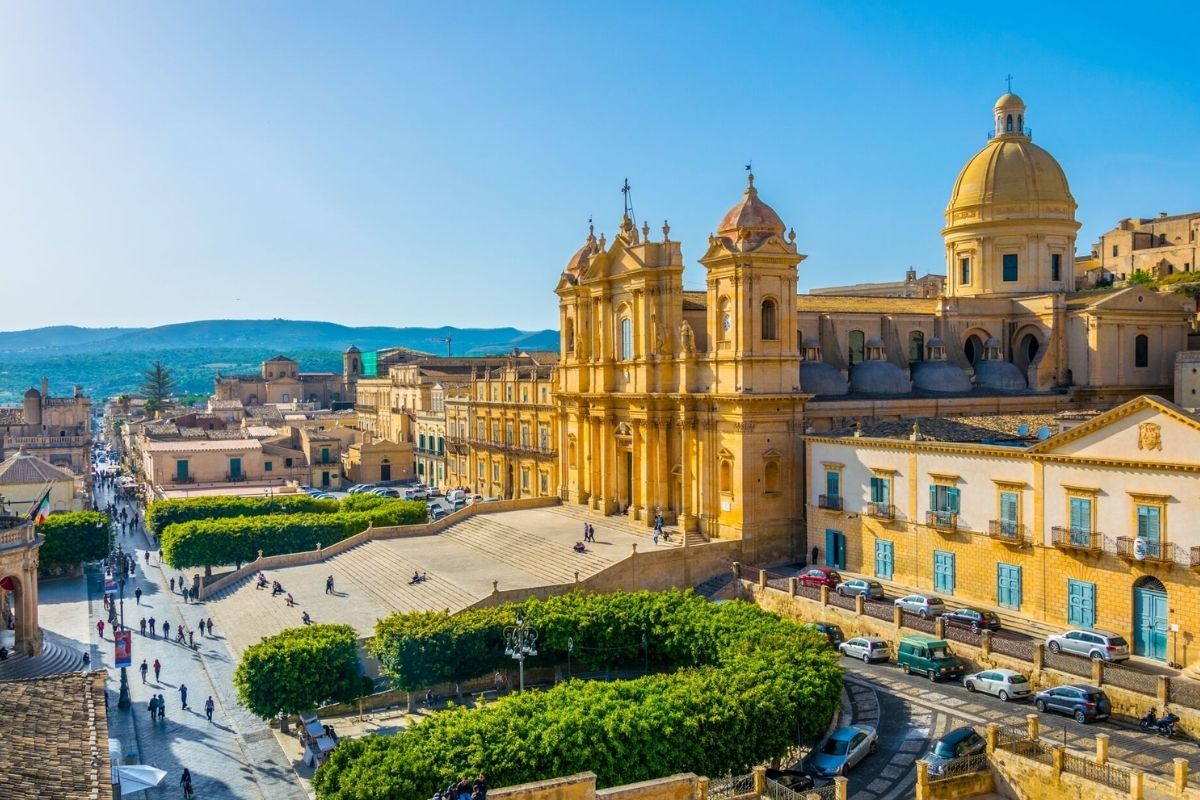
Rocco Forte Hotels has confirmed Palazzo Castelluccio is set to welcome guests in 2026, placing a real luxury anchor right in the middle of Noto, with 31 rooms in a restored palazzo. That matters because it’s not just a new hotel. It’s a signal. The luxury crowd is paying for atmosphere without the crush of bigger Sicilian cities.
Umbria: And it’s not only Sicily. The Italian version of “quiet luxury” shows up in Umbria too, where travellers who want the hills and vineyards feel are starting to look beyond the busiest Tuscan routes.
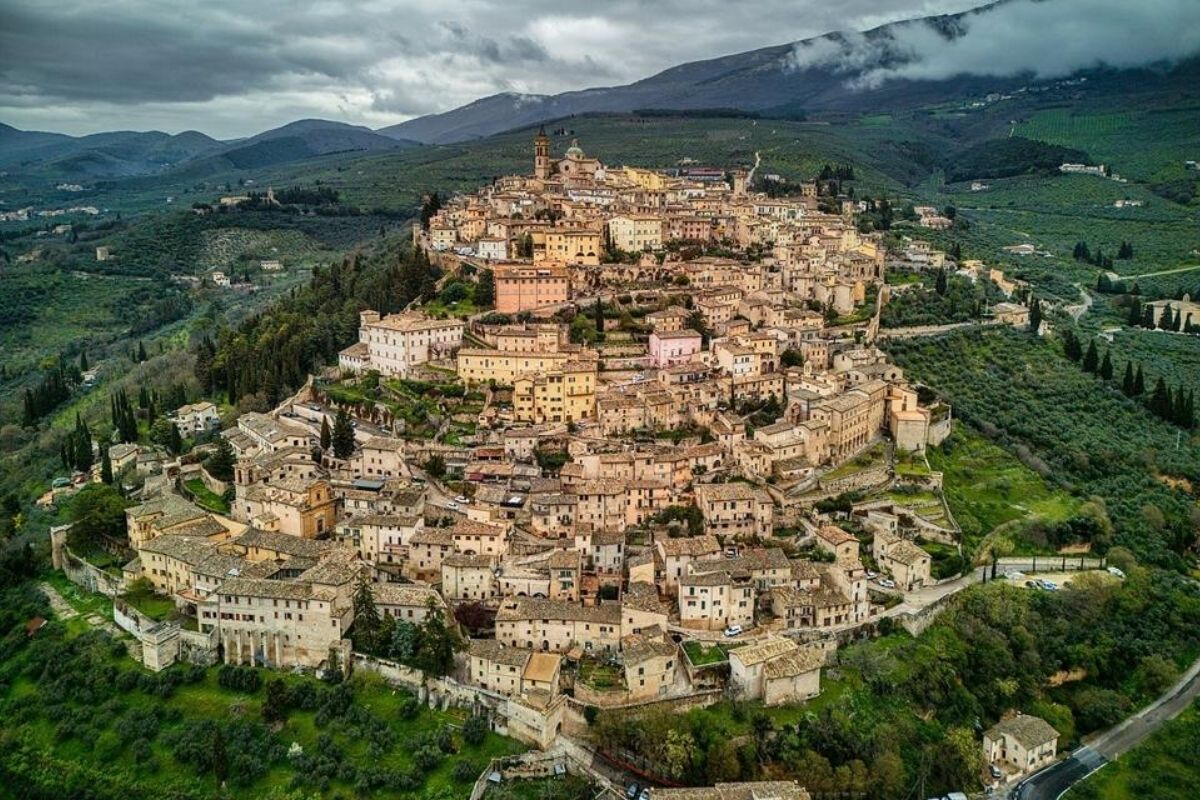
You get the same soft scenery, the same long lunches, and far fewer tour coaches. Different tempo but the same satisfaction.
Up north, the Dolomites are riding their own wave. Milano Cortina is the headline, sure, but what it’s really doing is pulling attention toward Alpine villages that can offer privacy plus proper service.
The kind of place where mornings start with crisp air and a hot espresso, and the loudest sound is boots on stone steps.
The most interesting part of this whole shift, though, is how Italy packages it. There’s a concept called an albergo diffuso, a “distributed hotel” where rooms sit across a village rather than inside one big building.
Sextantio in Santo Stefano di Sessanio is one of the best-known examples, and it’s been described exactly that way by places like the Michelin Guide.
You sleep in a restored old house, you walk outside into a real square, and suddenly you’re not “visiting” a place. You’re living in it. That’s the kind of luxury people are chasing in 2026. Not more stuff. More belonging.
Now, once you start thinking that way, the lakes make even more sense. They’re not about ticking off sights. They’re about slowing everything down.”
Lake Como, The Lakes, And The Return Of Slow, Proper Glamour
Lake Como never went away. It just changed shape.
It used to be the classic “film star villa” fantasy. Now it’s also a base for people who want a quieter kind of luxury. Longer stays. Fewer plans. A boat for the afternoon, not a photo for the morning.
The wider “slow travel” push shows up in industry talk too. Virtuoso’s Luxe Report has been tracking how high-end travellers lean toward private, tailored trips and longer itineraries rather than rushing through cities.
That plays right into Italy’s hands because Italy rewards patience. The best bits rarely appear on day one. They show up after your second visit to the same café, when the waiter stops handing you a menu. Small thing. Big signal.
And it’s not only Como. Garda and Maggiore keep pulling travellers who want that same lake mood with a slightly different pace. The lakes offer a cheat code: cinematic views, easy boat access, and hotels that can feel secluded even in peak season.
The Mountains Are Getting A Luxury Rewrite
Cortina d’Ampezzo already had status. Now it has extra heat because it’s part of the Olympic story.
What’s interesting is how the mountain luxury trend has widened. People aren’t only chasing ski weeks anymore. They want chalets and spa hotels for spring hikes, summer air, and autumn calm. It’s the same logic as the lakes, just at altitude: privacy, scenery, and a sense of escape that still feels polished.
And the practical side matters. Mountain luxury works when travel is simple. In northern Italy, you can stitch together Milan, the lakes, and the Dolomites without needing five flights and a headache. That ease is part of why Italy keeps winning.
The Train That Sums Up 2026 Italy In One Go
If luxury in 2026 is about experience more than flash, then trains are having a moment. And Italy leaned into it with style.
La Dolce Vita Orient Express has been pitched as a new way to cross the country with curated routes and old-school glamour, built around the idea of seeing Italy slowly, with comfort and theatre baked in.
Does every luxury traveller want a train? No. Some people want helicopters and drivers and never seeing a station.
But trains tap into something real: the urge to be carried through a landscape, watching it change, with a glass of wine in hand and no need to check maps. That kind of travel feels rich in the way people actually mean it.
Italy Versus France And Switzerland: What’s The Real Difference?
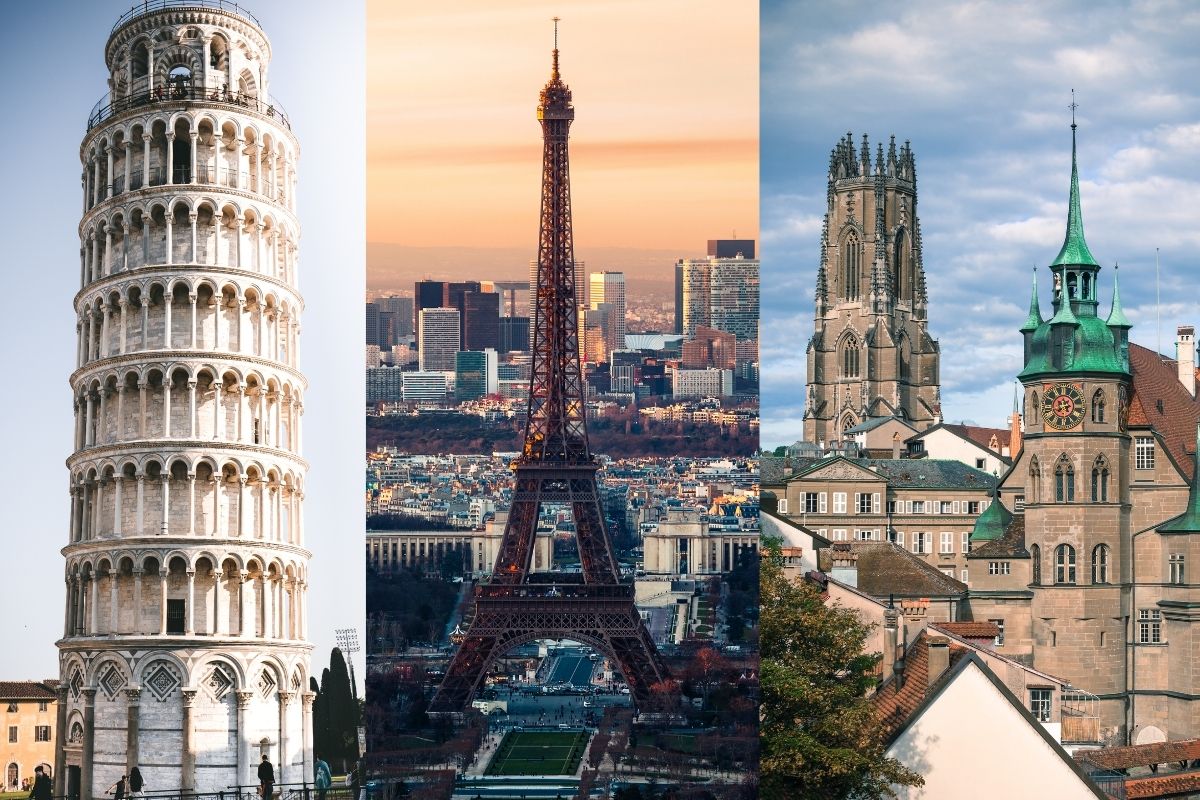
France does “polish” like nobody else. Switzerland does “precision” like it’s a national sport. Italy does something harder to copy. Italy feels personal.
You’re not only buying a service. You’re buying a culture that’s built around taste, texture, and timing. The good kind of chaos, too. A chef who insists you try a dish that isn’t on the menu. A museum guide who tells you the one detail nobody notices. A hotel that smells faintly of lemon polish and old stone.
Also, Italy can still offer value in places where France and Switzerland feel like they’ve priced out anyone who isn’t a billionaire. That doesn’t mean Italy is cheap. It isn’t. It just has more range and more ways to spend well without feeling rinsed.
So when people ask, Is Italy Becoming the Luxury Travel Capital of 2026?, the answer depends on what you think luxury is.
If luxury is labels and stiffness, you might prefer elsewhere.
If luxury is time, access, quiet, and a story you’ll still talk about in six months, Italy is right up there.
| Feature | Italy | France | Switzerland |
|---|---|---|---|
| The 2026 “Vibe” | Passion & Narrative. Intimate, historical, and deeply personal. | Grandeur & Elegance. Polished, iconic, and high-fashion. | Precision & Serenity. Quiet, ultra-efficient, and clinical. |
| Defining Experience | A private dinner in a Chianti vineyard or a 15th-century borgo. | A VIP sunset cruise on the Seine or a private chateau in Bordeaux. | A high-altitude spa retreat with “bio-hacking” wellness tech. |
| Best For… | The “Immersive Escape” (Connecting with local artisans). | The “Power Trip” (Designer shopping and Michelin-star history). | The “Health Reset” (Clean air, silence, and luxury medical clinics). |
| Value for Money | High. Luxury stretches further, especially in the south. | Premium. You pay for the “Brand” (Paris/Riviera). | Top Tier. The most expensive, but unmatched infrastructure. |
| 2026 Headline | The Milano Cortina Olympics & La Dolce Vita Train. | First-Class Air Upgrades. (Air France’s new ultra-luxe cabins). | The “Quiet-cation.” Leading the world in silent, nature-led luxury. |
FAQ
Does Italy Feel Too Busy For Luxury Travel in 2026?
Some spots do, especially in the hottest summer weeks. The smarter move is timing: late spring, early summer, and autumn often feel calmer, and places like Venice are actively managing day crowds with its access fee approach.
Is The Olympics Effect Real Or Just Hype?
It’s real in the north. Big global events bring attention, upgrades, and demand. Milano Cortina runs 6 to 22 February 2026, and that alone shapes travel patterns for months around it.
What Makes Italy “Luxury” Beyond Hotels?
Private access experiences, slower itineraries, and places that feel lived in rather than staged. That’s why rail journeys like La Dolce Vita Orient Express and longer stays in quieter regions keep showing up in luxury travel planning.
Conclusion
So, Is Italy Becoming the Luxury Travel Capital of 2026? It depends on what you mean by luxury.
If you mean the loud version, Italy’s got it. Big hotels, big views, big bills. And yes, the Olympics spotlight is pushing standards up in the north.
But the more convincing reason Italy feels like the luxury capital this year is quieter. The borghi. The slower stays. The albergo diffuso idea is where the “hotel” is basically the village. Less crowd, more space, more of that lived-in feeling money can’t always buy.
So if you’re booking Italy in 2026, don’t only chase the headline places. Pick a pace. Pick a season. And add one quiet base where you can actually settle. That’s usually where the best Italy shows up.
Anyway, which Italy are you after, the one everyone posts or the one you keep to yourself?
Sources & References
- Condé Nast Traveler: The 2026 Gold List (Editor’s picks for top luxury hotels, including Passalacqua and Castelfalfi).
- Forbes Travel Guide: 20 Top Destinations for 2026 (Focus on the Dolomites and Milan luxury expansion).
- Citalia 2026 Insights: Italy’s Top Luxury Travel Trends (Data on the 42.5% surge in Lake Garda bookings and the “Grand Tour” revival).
- Milano Cortina 2026: Official Winter Olympics Website (Schedule for 6–22 February 2026).
- Venice Access Fee (CDA): Official Booking Portal (Details on the €5 early-bird vs. €10 late-booking entry fees).
- Rocco Forte Hotels: Palazzo Castelluccio, Noto (Official announcement for the 2026 luxury opening in Sicily).
- Orient Express: La Dolce Vita Train (Details on the new 2026 luxury rail routes across Italy).
- Michelin Guide: The Albergo Diffuso Concept (Explanation of the “distributed hotel” model in towns like Santo Stefano di Sessanio).
Recommended