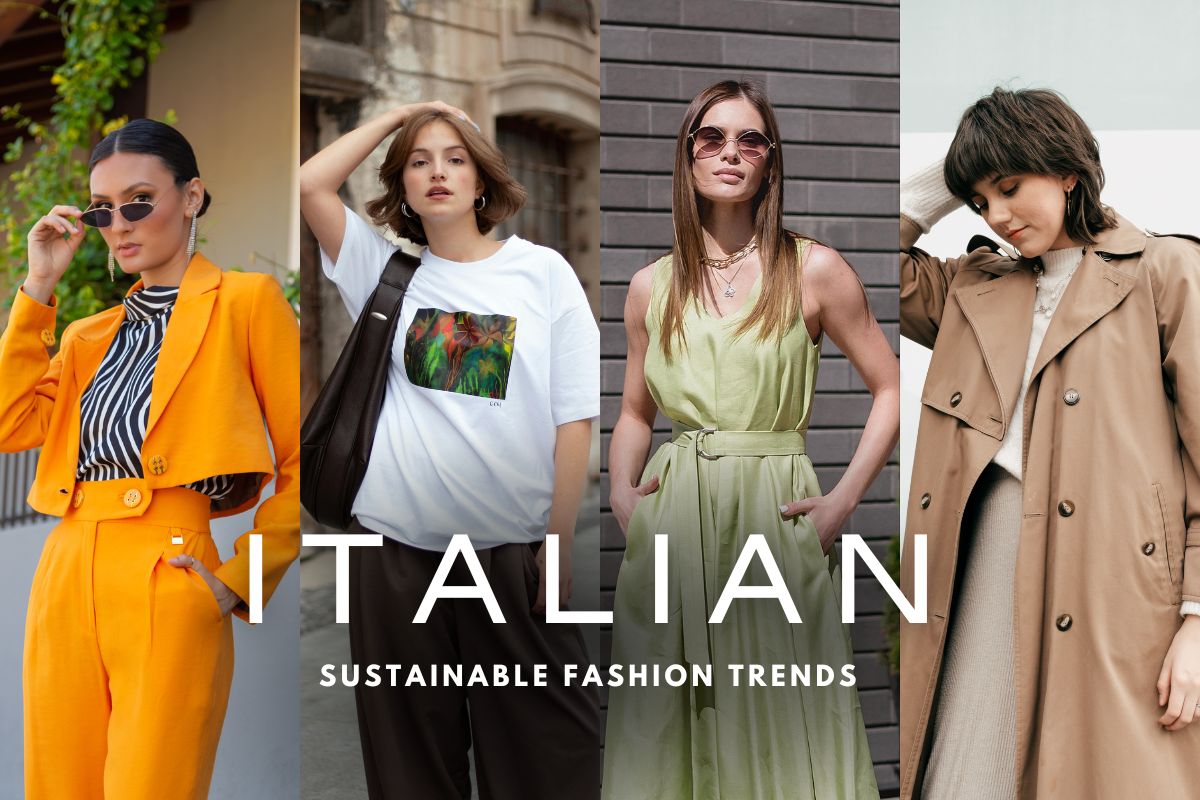
I mean, look, if you had asked me five years ago about Italian sustainable fashion trends, I’d have likely rolled my eyes. At that time, “sustainability” was a buzzword luxury brands threw about like confetti in a Milanese wedding. It was about slick ads and vague pledges. But standing here now, in early February 2026, the vibe has swung so fast that you’re going to need a neck brace. The time when you could “pinky swear” that a brand was green is officially dead.
The crazy part? It wasn’t the brands that led the charge—it was the law. On January 1st, Italy basically dropped a hammer on the industry with a proposed ban on advertising for anyone pushing “ultra-fast fashion” (we’re talking brands dropping over 5,000 new items a month). If you’re an influencer in Milan right now, you can’t even post a “haul” without legally disclosing the environmental impact of those clothes. It’s wild.
To be honest, I have been watching these workshops in Prato and Como for the past 10 years, and I haven’t seen them move this fast. The impression is that suddenly the entire nation woke up and stopped and thought, That tag ‘Made in Italy” is no longer holding up against cheap throwaway goods. So, they determined to give it a digital soul.
The New Rulebook: SNET and the End of Guesswork
Here’s the thing you need to understand: Italy just introduced something called SNET (Sistema Nazionale di Eco-Score Tessile). It’s a government-backed system that ranks clothes from A to E based on how much they actually mess up the planet. It’s not a “suggestion” anymore. It’s a gatekeeper for everything from taxes to where a brand can even show its face in advertising.
I was talking to a small knitwear designer last month who told me her biggest headache isn’t the design anymore—it’s the data. If your piece scores a ‘D’ or an ‘E’, you’re looking at extra waste management fees (roughly €0.30 to €0.50 per kilogram) just to put it on the market. It’s essentially a “sin tax” for bad fashion.
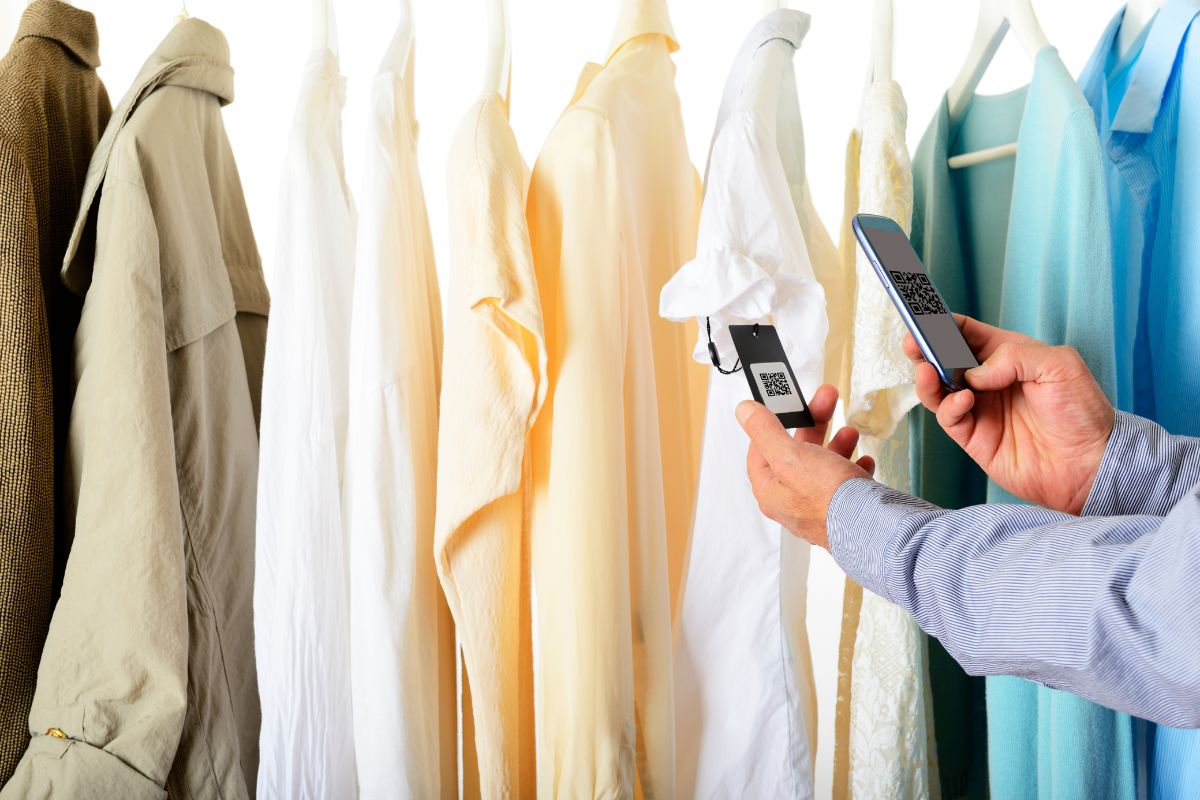
But the real game-changer is the Digital Product Passport (DPP). Every high-end bag from Prada or Ferragamo now comes with a QR code that tells a story. You scan it, and you don’t just see “100% Wool”.
You see the specific carbon-sequestering sheep farm in Abruzzo where that wool was shorn. You see the factory’s energy mix. You even see the repair history. It’s like a Carfax for your closet.
Also Read – The Real Winter Food Scene in Italy Right Now
SNET 2026: The “Eco-Score” Cheat Sheet
If you’re looking at a new piece of Italian clothing this year, its SNET score is the ultimate truth-teller. Here is how the top (‘A’) and bottom (‘E’) tiers actually compare under the new 2026 regulations:
| Feature | Class A (The Gold Standard) | Class E (Ultra-Fast Fashion) |
|---|---|---|
| Production Speed | Seasonal collections (6+ month cycles) | “Fast-renewal” (< 30-day turnover) |
| Material Quality | Regenerative, natural, or recycled fibers | Low-grade, non-recyclable synthetics |
| Traceability | Full Digital Product Passport (DPP) | Zero supply chain visibility |
| Waste Fee (EPR) | Exempt (Incentivized) | €0.50 per kilogram “Parcel Tax.” |
| Ad Rights | Full freedom; “Green Certified” status | Total Advertising Ban (Incl. Influencers) |
| Durability | High-quality repair services are usually offered | Disposable; “Single-use” design |
Regenerative Is the New Organic
We used to think “Organic” was the gold standard. In 2026, organic is the bare minimum. The real focus is on Regenerative Agriculture. I recently visited a silk district in Como that is undergoing a total rebirth. They’re not just producing silk; they are rebuilding the entire ecosystem.
They’ve also moved in the direction of peace silk, where the silkworm gets to live out its life rather than be boiled inside the cocoon. Pair that with regenerative mulberry farming, which actually sequesters carbon into the soil, and you’ve got a fabric that’s serving a greater good rather than simply taking from it.
And don’t even get me started on the biotechs. Brands are now using Orange Fiber, a silky fabric made from literally tons of citrus peels left over from the Sicilian juice industry. It sounds like science fiction, but wearing a shirt made from orange peels is about as “Italian” as it gets.
The Rise of “Agentic Shopping”

The most interesting thing I’ve seen this year is how people are actually buying these things. We’ve entered the age of Agentic Shopping.
Most of my tech-savvy friends now use AI-powered shopping agents. You tell the agent, “Find me a navy blazer,” and it automatically filters out anything with an Eco-Score lower than a ‘B’. It’s brutal for brands that haven’t cleaned up their supply chain. If you aren’t transparent, you’re literally invisible to the next generation of buyers.
Also Read – Know Everything About The Traditional Businesses of Italy
2026 Sustainable Style Snapshot: Who’s Winning?
| Trend | The Look | The Trailblazers |
| Upcycled Denim | Vintage 501s reborn as high-end Milanese tailoring. | Blue of a Kind |
| Circular Knitwear | Recycled cashmere “cenci” (rags) turned into butter-soft sweaters. | Rifò |
| Zero-Waste Cutting | Geometric patterns where every inch of fabric is used. | ZEROBARRACENTO |
| Hemp Luxury | Breathable, iron-strong fabrics that use 70% less water than cotton. | Opera Campi |
Why This Actually Matters
Look, I know it’s easy to get cynical about fashion. At the end of the day, it is still about selling stuff. But what’s happening in Italy feels different. It seems like a way to survive. That’s the birth of “Econogy,” according to Lectra’s 2026 Fashion Report—where economics and ecology finally stop sparring and start collaborating.
Roughly 45% of fashion executives are bracing for a “challenging” year, according to the State of Fashion 2026, and their only way out is through radical transparency.
The “Made in Italy” label is being redefined. It’s no longer just about the skill of the hands; it’s about the honesty of the process. And honestly? It’s about time. We have been treating clothes as expendable items for too long. To see a brand take responsibility for the entirety of a garment’s life, from the dirt it began in to the recycling bin where it ends up, gives me that tiny bit of hope.
So, the next time you’re admiring a beautiful Italian jacket, don’t just feel the fabric. Look for that QR code. Ask about the Eco-Score. Because the most stylish thing to wear in 2026 is the truth.
Also Read – What to See in Venice, Italy
People Also Ask
What exactly is an Eco-Score in fashion?
Think of it as the energy rating on your fridge, but for clothes. In Italy, the SNET system scores items from level A (best) to level E (worst) for material quality, chemical use, and other factors, like how easy a piece is to repair or recycle.
Is the advertising ban on fast fashion actually working?
It’s early days, but yeah, it’s making a dent. By making it illegal to promote “ultra-fast” models (brands with insane turnover rates), the government is starving those companies of the oxygen they need: attention. It’s forcing a shift back toward “Slow Fashion” and investment pieces.
What is a Digital Product Passport?
It’s a digital record of a product’s entire life. By 2027, most clothes sold in the EU will need a basic one. It’s usually a QR code on the tag that gives you the “receipts” on where the materials came from and who made them.
Is sustainable fashion more expensive?
Initially, yeah, usually. You’re paying for fair wages and better materials. But with the new waste fees being added to cheap, poor-quality clothes, this price gap is beginning to narrow. And besides, the plan in 2026 is to purchase one “A-rated” piece that lasts for the next decade rather than five “E-rated” shirts you wear a couple of times and then throw away after they lose their shape.
Can I find these trends in the U.S.?
Absolutely. While the laws are Italian, most of these brands sell globally. Plus, the US market is seeing a huge surge in “Italian-style Americana,” which blends that classic preppy look with these new-age sustainable materials.
Sources and References
- Lectra: 5 Key Trends Redefining Fashion in 2026 – The definitive industry report on “Econogy” and the role of Industry 4.0 in sustainable manufacturing for the current year.
- Italian Senate Bill S.1690: The National Textile Eco-Score (SNET) – Official legislative context for the A–E environmental scoring system and the 2026 advertising restrictions on ultra-fast fashion.
- UKFT: Italy Confirms Textile EPR Implementation for 2026 – A compliance guide detailing the Extended Producer Responsibility requirements for brands selling into the Italian market as of Q1 2026.
- Milano Unica: S/S 2026 Textile Trends Report – Insights from Italy’s premier textile trade show regarding the shift toward regenerative silk and carbon-sequestering wools.
- Good On You: Rating the Ethics of Italian Luxury – The primary consumer-facing database used for cross-referencing the sustainability scores of major and emerging Italian fashion houses.
- State of Fashion 2026: McKinsey & Business of Fashion – Supporting data for the “challenging” market sentiment and the rise of the resale economy among Italian luxury consumers.
Recommended