I was sitting in a tiny, flour-dusted bakery in Parma last October, watching an old man named Giuseppe argue with a digital sensor. Giuseppe has been making bread since the Eisenhower administration, but now he’s got this high-tech “electronic nose” sitting on his counter. It’s part of a pilot program with a local food tech hub, and honestly, the sight of this grizzled artisan staring down a glowing LED screen was the perfect metaphor for where Italy is right now.
People always talk about the “Made in Italy” brand like it’s some dusty museum piece, but being on the ground here in early 2026, I can tell you it’s anything but. There’s this electric energy in the air. Italy isn’t just surviving; it’s basically reinventing the wheel while keeping the axle original.
What we’re witnessing is an epic transformation where all the traditional businesses of Italy are suddenly the coolest things on a global market once again, and not just because they make a mean espresso.
It’s about the “Four As” — Abbigliamento (Fashion), Agroalimentare (Food), Arredamento (Furniture), and Automobili (Cars). These aren’t just industries; they’re the literal backbone of the country, comprising roughly 70% of the national GDP. But the crazy part? Some 85% of these companies remain family businesses. Think about that. Amid a world of faceless mega-corporations, Italy remains the land where cousins, brothers, and “nonnos” still run billion-euro empires.
The Glass Masters of Murano Facing the Heat
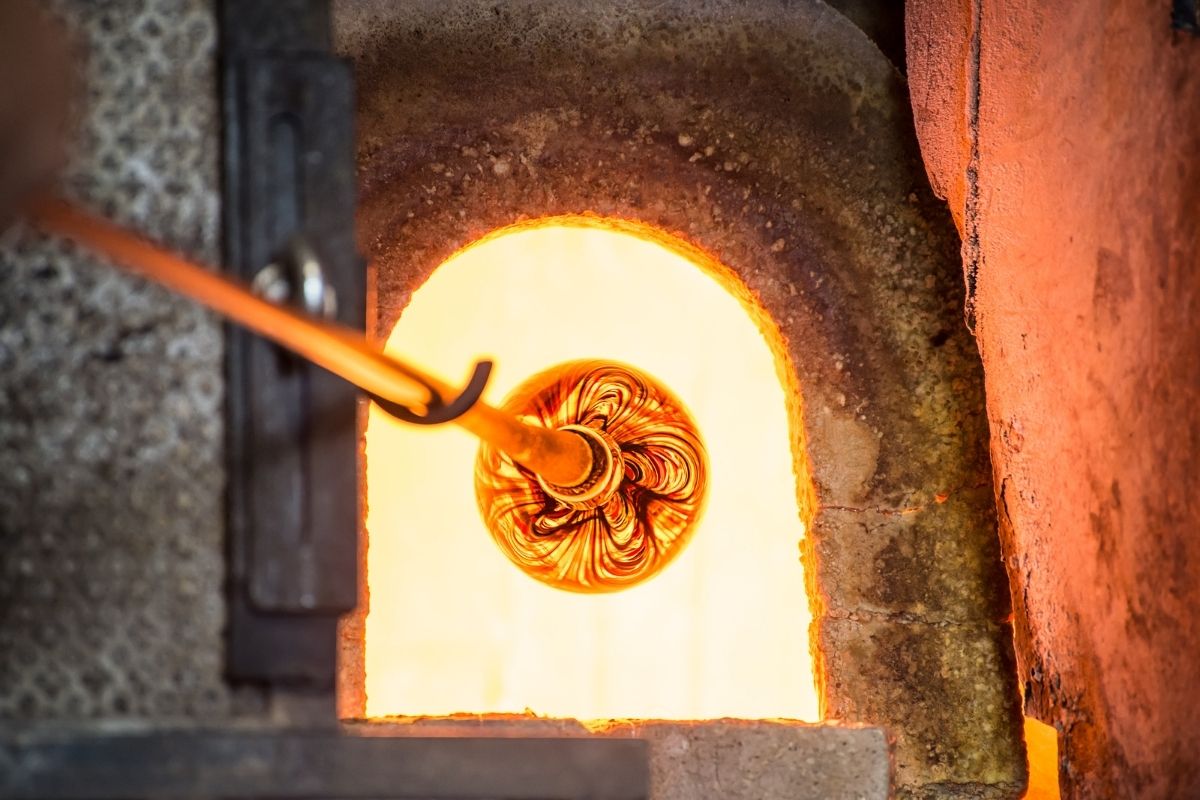
Listen, if you go to Venice today, the glass shops in Murano are still where it all happens. But here’s the thing—they’re in a dogfight. With skyrocketing energy prices for all of those giant furnaces as well as thousands of cheap knock-offs, the “Vetro Artistico” seal has never been more critical.
I spoke to a glassblower named Marco, who informed me that 2026 was a “tipping point.” They are beginning to install hybrid furnaces that combine gas with electric heat (known as a heat pump) in order to reduce carbon emissions. It’s a huge deal.
It is a 700-year-old craft they are trying to save by making it “green”. The tension is real, though. If they can’t get the kids interested in the 120-degree workshops, the fire might actually go out.
Neapolitan Tailoring: The 25-Hour Jacket

Anyway, you head south to Naples, and the vibe is different. This is not about the heat and the sand; it’s about the “second skin”. For an afternoon, I was in a workshop that produces those famous unstructured jackets.
Kiton and Cesare Attolini are still the kings here. It can take as many as 25 hours of pure hand-stitching to create a single artisanal suit. No machines, no shortcuts. Just a man with a needle and a lot of patience. The cool part is how they’ve adjusted to 2026.
They’re doing with “travel jackets” now — super light wools that won’t wrinkle even if you have to sit on a 10-hour flight. It is traditional, but it’s built for the guy who lives on Zoom and aeroplanes.
Also Read – How Small Businesses Can Scale Without Losing Their Brand Identity
The Violin Makers of Cremona and the AI Gap
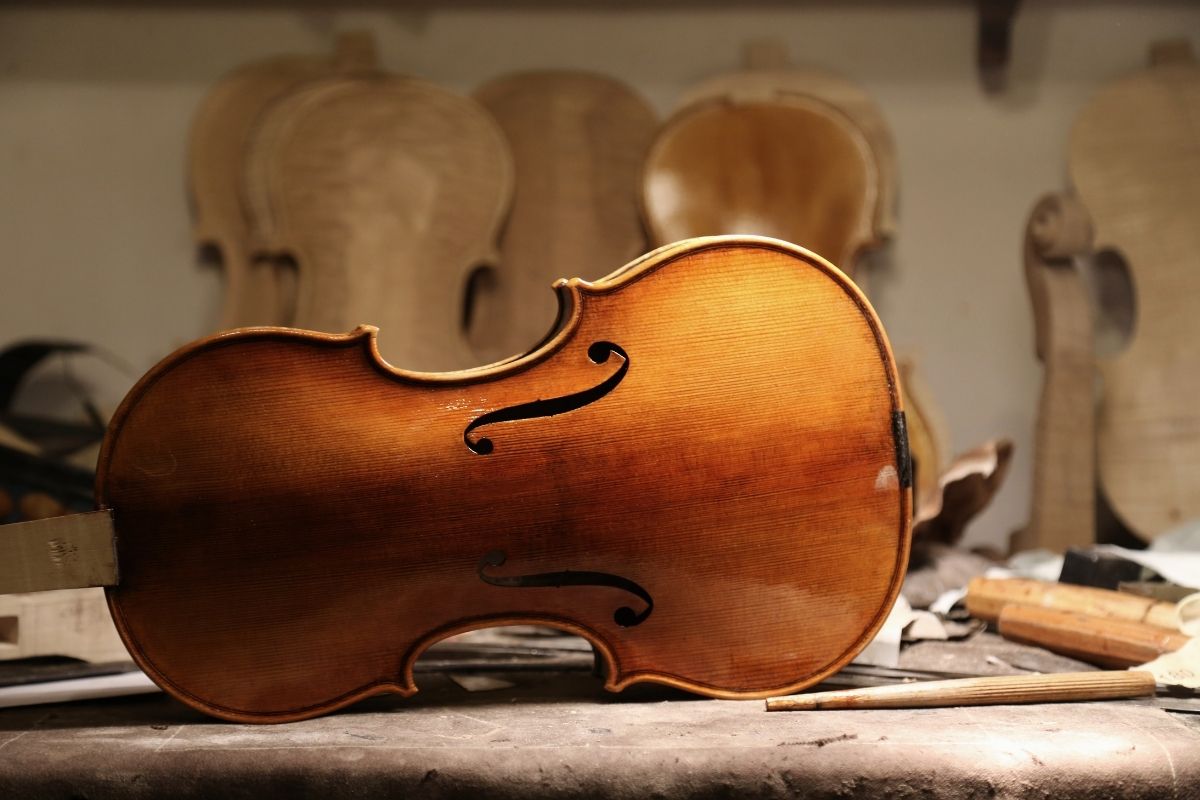
Now, this one blew my mind. In Cremona, the ghost of Stradivari is basically the local mayor. The city has over 140 luthier workshops. I watched a luthier named Sofia carving a scroll, and she told me something fascinating. While everyone else is worried about AI taking their jobs, she’s not. Why? Because you can’t “prompt” a violin into existence.
Every piece of wood has a different acoustic soul, and it takes a human ear to know where to shave off an extra millimetre. They only make about three to six instruments a year. It’s the ultimate slow-growth business model, and in our fast-paced world, people are paying six figures for that slowness.
Carrara Marble: Where 3D Sculpting Meets the Mountain
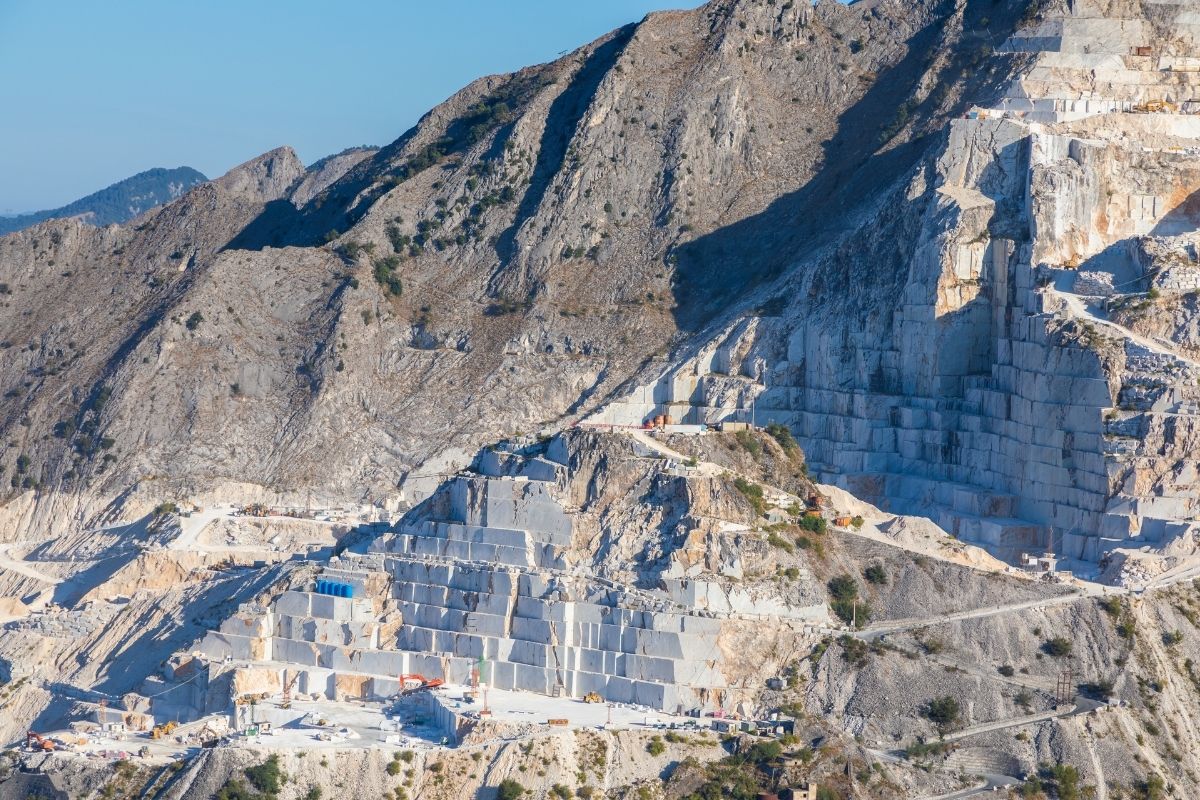
You’ve seen the white mountains in Tuscany, right? Carrara. For centuries, it was just guys with chisels. Now, it’s a sci-fi movie. I saw a 3D CNC machine carving a replica of a Renaissance statue that was so precise it felt eerie. But here’s the “human” twist: the machines do the heavy lifting, but the “vein matching” is still done by eye.
In 2026, the trend is “tactility.” People want matte, “leathered” finishes that feel warm to the touch, not just shiny floors. The companies there are using AI to track exactly which block of stone came from which part of the mountain to ensure “material honesty.” It’s high-tech, but the dirt under their fingernails is very real.
Deruta Ceramics: The Renaissance in Your Kitchen
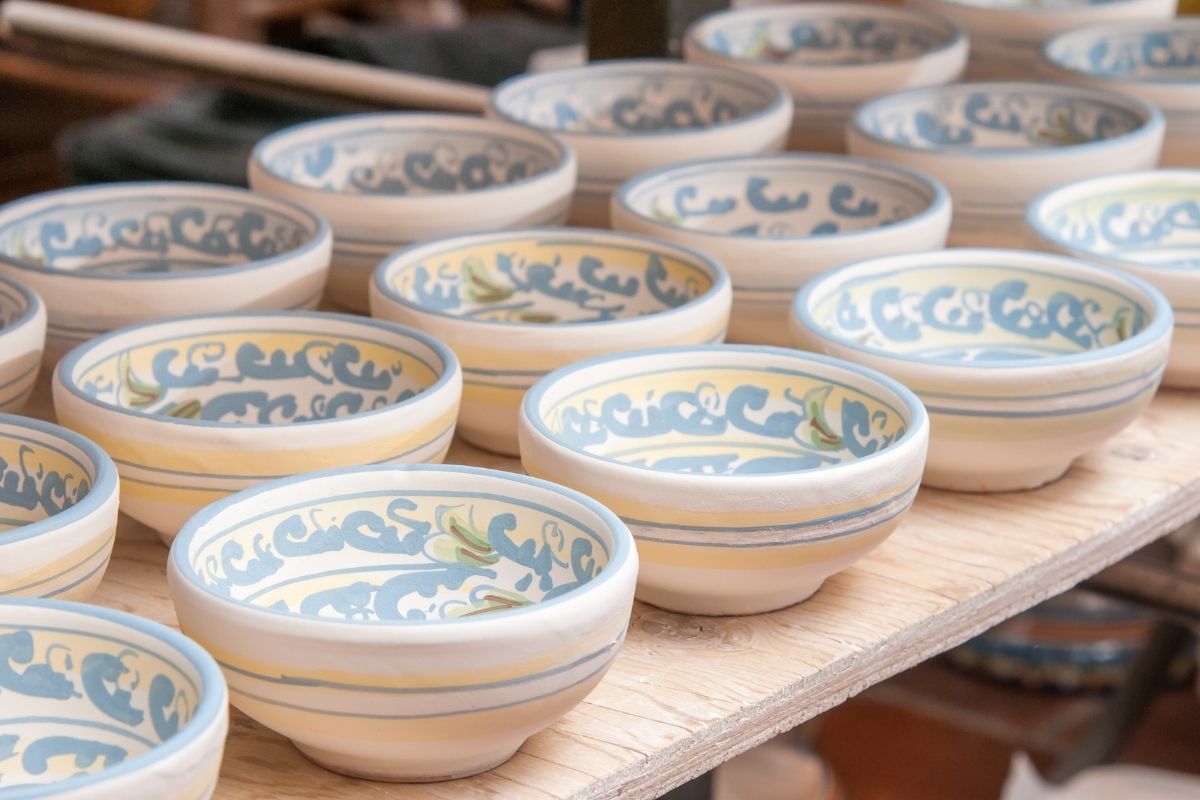
If you head into the “green heart” of Umbria, you find Deruta. This town has been making pottery since the Middle Ages. I walked through a showroom that looked more like an art gallery. The big names like Maioliche Grazia are still hand-painting every single plate.
The crazy part is the “Roots Tourism” boom I mentioned earlier. I met a family from Chicago who were there just to buy a set of dishes that matched a broken one their grandmother brought over in the 40s. These shops aren’t just selling plates anymore; they’re selling “functional art” that’s infinitely recyclable.
Also Read – A Real-Talk Guide to What to Do in Bologna, Italy
Why This Matters: The Succession Challenge
So, why does any of this matter to you? Because Italy is proving that you don’t have to sell your soul to the digital gods to stay relevant. But it’s not all sunshine and prosecco. As reported in a recent 2026 trade study by Mozzanica, only about 13% of these family businesses make it to the third generation.
There’s a massive “succession crisis” looming. If the 20-year-olds don’t want to blow glass or stitch suits, these traditional businesses of Italy will become nothing more than museum exhibits.
The “Four As” are riding high at present because they offer something a robot cannot: a soul. When you purchase a hand-painted plate or bespoke suit, you’re acquiring not just the work of an artist but also their life in some regard. That’s the highest currency possible in 2026.
Anyway, the next time you spot one of those “Made in Italy” labels, don’t just think of a country. Think of Giuseppe and his electronic nose. Think of the 3D-printed lace and the ancient grains. It’s a wild, messy, beautiful contradiction that somehow just works.
Do you think you could ever trade your modern, mass-produced life for a craft that takes 25 hours just to finish one piece? Or is the “Phygital” blend the only way we save these traditions?
FAQs: The Quick “Real Talk” Guide
How do these old family shops stay alive in 2026?
Stubbornness, mostly. Italian businesses are generally small, family-run, and can avoid corporate red tape. Today, those are the winners of tomorrow, combining “nonno’s secrets” with tech like 3D printing and eco-packaging. It’s a savvy “old meets new” move.
Is “Made in Italy” still legit or just hype?
It’s the real deal. In a sea of plastic crap, people still pay more for stuff that won’t fall apart. Whether it’s a hand-stitched bag from Florence or a precision engine part from Milan, the brand signifies somebody actually cared about the craft.
What’s the biggest headache for these shops right now?
Finding help. Most of the masters are in their 70s, and it’s a challenge to keep 20-somethings from seeking better paths elsewhere. When the kids aren’t interested in glass blowing or stone carving, these traditions hit a wall. It’s a “succession crisis” in real time.
Why is everyone suddenly talking about “Roots Tourism”?
It’s a massive heritage trend. Roughly 80 million people around the world have some Italian blood. Since 2025, great hordes have migrated back toward the little towns of their great-grandparents. They do not want museums; they want to purchase a plate from the same shop their ancestors patronized.
Can an artisan actually beat AI and robots?
AI can write a poem, but it can’t feel the wood grain or whether cheese is “ready”. The 2026 strategy isn’t man versus AI, but instead employing it to handle boring tasks like inventory so the humans have more time to spend on work that feels “soulful”; machines won’t have a shot at winning.
Is it tough for outsiders to do business there?
Yeah, if you’re in a rush. You can’t just drop an email and make a deal. It’s about trust, long coffee meetings, and looking someone in the eye. If you’re not playing the “long game”, you’re doing it wrong.
Sources and References
- Official 2026 Economic Outlook for Italy – Data from Istat regarding the 0.8% GDP growth and the role of domestic manufacturing.
- Business Insights: The “Made in Italy” 2025-2026 Report – An official breakdown of the luxury hospitality surge and green transitions in the “Four As.”
- Family Business Succession Challenges (2026 Update) – Expert analysis on why only 13% of Italian family firms reach the third generation.
- Italy’s Roots Tourism Boom: Reconnecting the Diaspora – Insights into the Italea program and how heritage travel is saving rural artisan shops.
- Green Transition 5.0: Manufacturing Data – Details on the €6.3 billion investment into making traditional Italian production more sustainable by June 2026.