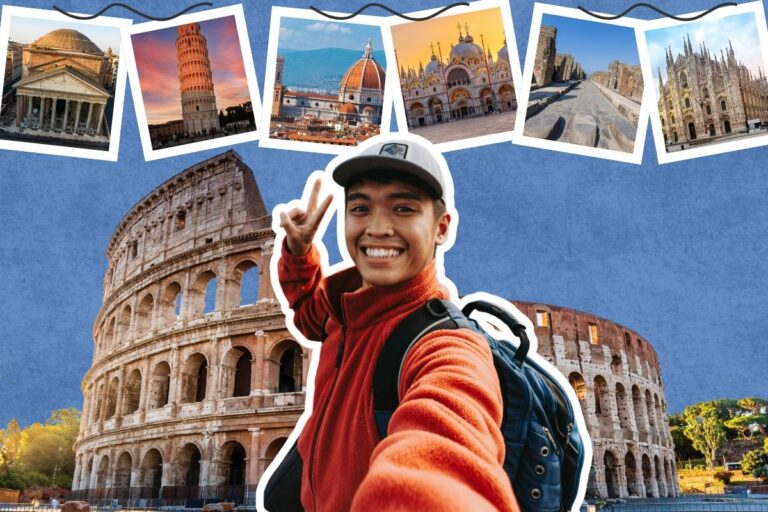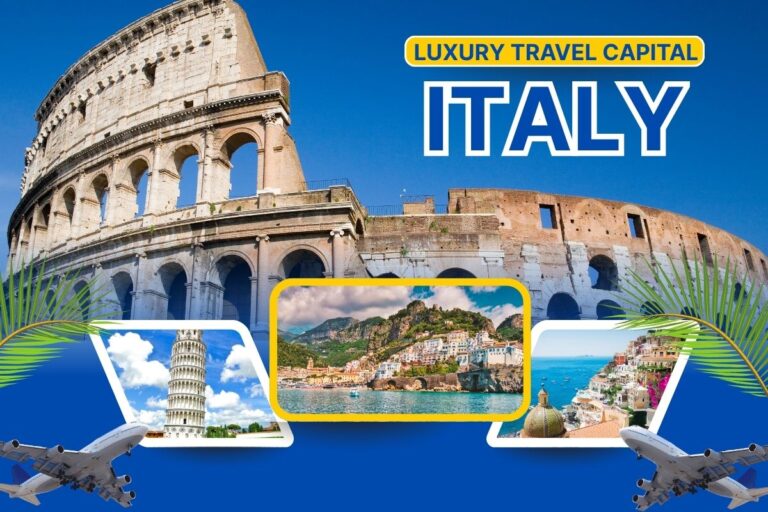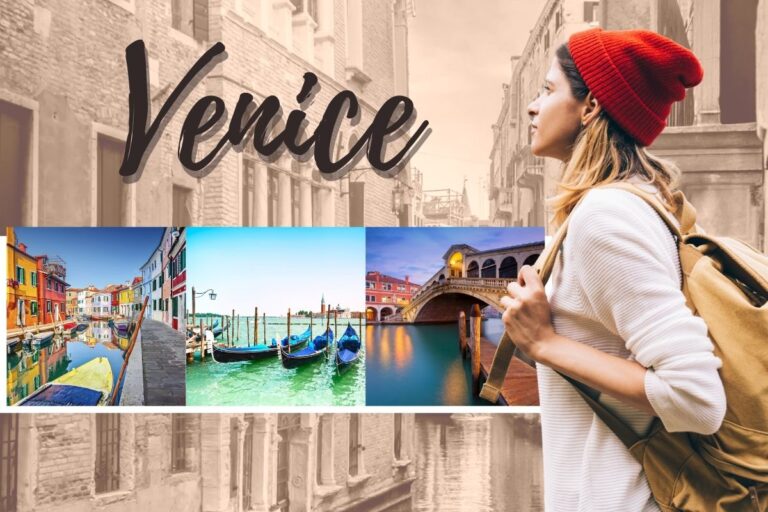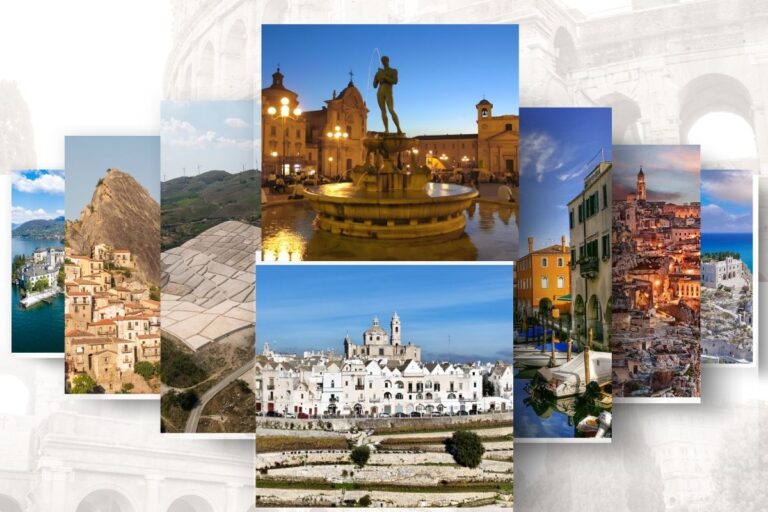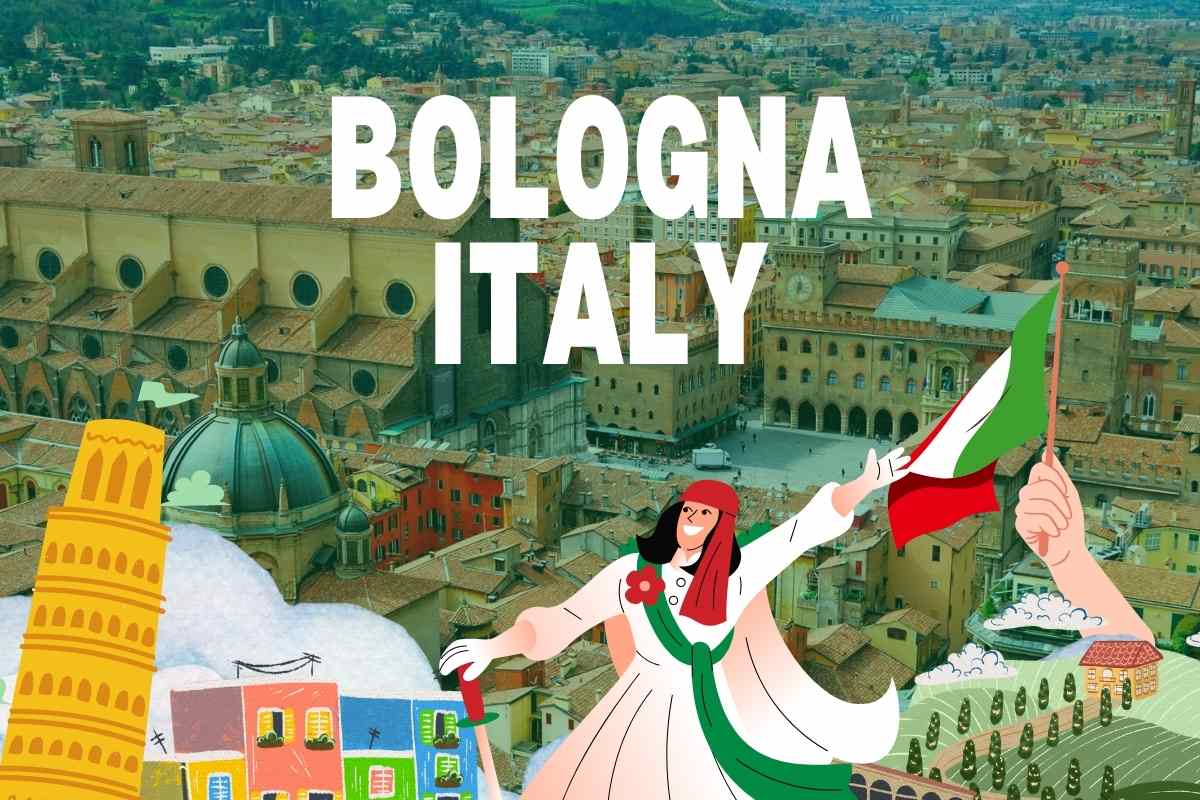
Listen, I’ve seen people make the same mistake many a time. They cover Italy like a checklist. They hit the “Big Three” — Rome, Florence, and Venice — and depart believing they have experienced the real deal. But if you want to get the real feel of Italy, the kind that is not featured on a postcard, well then, Bologna is where you go.
It’s early 2026, and the winter air in the Emilia-Romagna region is crisp, the high-end shops are in the middle of their massive Saldi (winter sales), and the city smells like slow-cooked meat and woodsmoke. It’s smart, it’s a little gritty, and it’s arguably the food capital of the world. Here is the ground truth on what to do in Bologna, Italy, at the moment.
The Leaning Tower Crisis of 2026
If you’ve done any research, you know the Two Towers (Due Torri), which are the icons of this city. But here’s the thing you need to know before arriving in walking shoes: the Garisenda Tower (the shorter, more crooked one) is currently going through a bit of a midlife crisis.
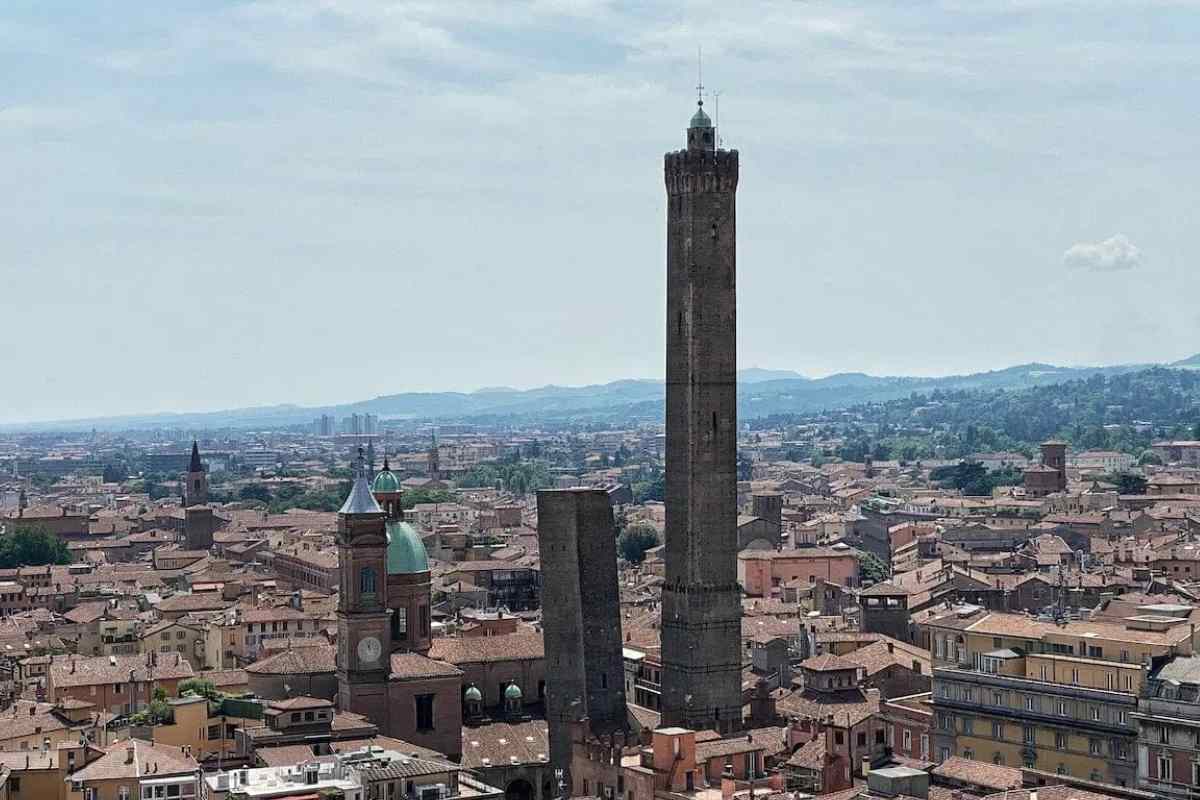
Sensors detected some “worrying” movement in 2023. Today, the vicinity of the tower continues to remain drastically cordoned off for stabilization works of an immense nature. As a result, the taller of the two—the one that almost every visitor ascends by—is also closed to the public. Don’t let that sour your morning.
Instead, do as the locals do and make a beeline for the Torre dell’Orologio (Clock Tower) situated smack bang in Piazza Maggiore. You have to get a ticket at the Bologna Welcome office, but the view from the top is better for photos. You’re peering straight down at the Neptune Fountain and the half-finished façade of the Basilica. And it’s a whole lot less likely to tip over when you’re at the top.
Also Read – When Was Italy Established As A Country
Whispers, Ruins, and Skinned Men
Bologna is a city of secrets. It’s encoded in the DNA of the place. There’s an open-air walkway with a vaulted ceiling underneath the Palazzo del Podestà in the main square. If you stand in one corner and speak into the rock, your friend standing in the diagonally opposite one can hear every word. It’s a medieval “wireless” system the monks used to hear lepers’ confessions. It still works. I tried last week; it feels eerie.
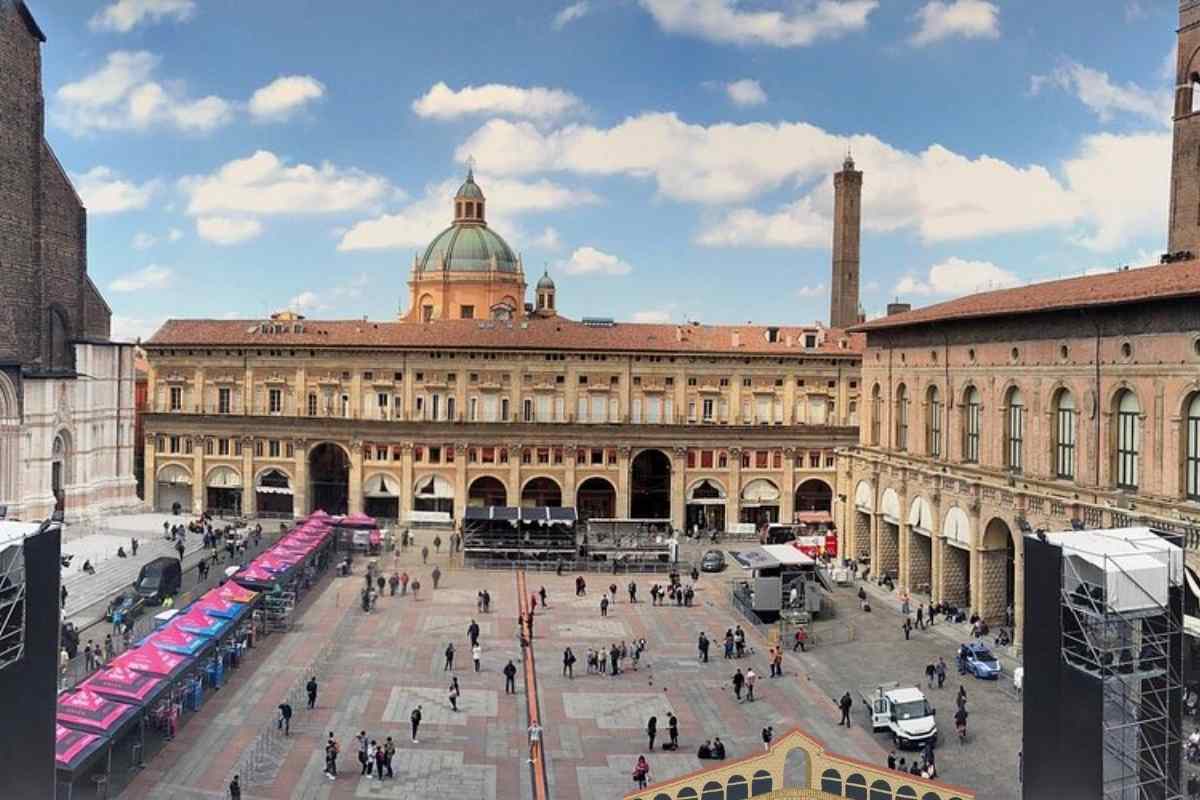
Just around the corner, you’ll see the Biblioteca Salaborsa. Do not let the “library” portion bore you. Walk inside and look down. The floor is glass, and just below your feet are the excavated ruins of Roman Bologna. It’s the sort of thing that reminds you this city has layers.
But the true “mind-blower” is the Anatomical Theatre housed in the Archiginnasio. It was also the first home to the oldest university in Western civilisation. The room, entirely crafted of cedar, has a white marble slab in the middle where they would dissect human bodies. The statues supporting the ceiling canopy are known as the Spellati (The Skinned Ones). They are life-size wooden carvings of men, their muscles and tendons visible. It’s beautiful, a little macabre, and 100% real.
Eating Your Way Through the Quadrilatero
The city is known by the nickname La Grassa (The Fat One). If you leave Bologna with a looser belt, you’ve done something wrong.
Forget “Spaghetti Bolognese.” It’s a myth. It doesn’t exist here. You want Tagliatelle al Ragù. The pasta comes hand-rolled by sfogline (pasta grandmas), practically see-through thin, tossed in a deep, slow-stewed meat sauce that’s been simmering away for six hours.
The food scene’s epicentre is the Quadrilatero, a labyrinth of thin alleyways such as Via Drapperie and Via Pescherie Vecchie.
- Osteria del Sole: This is the city’s oldest bar, established in 1465. The catch? They only sell wine. You go to the little market stalls around the corner, buy some Mortadella and a wedge of Parmigiano, bring it in on a paper plate, and pick up a bottle or two of local Pignoletto. It is the most honest meal you will ever eat.
- Tortellini in Brodo: It’s January; you must do this. They’re little hand-stuffed pasta “navels” bobbing in a puddle of piping hot meat broth. According to a 2024 culinary study by the Accademia Italiana della Cucina, the “official” recipe for the filling is strictly regulated. It’s serious business here.
The Longest Walk You’ll Ever Take
You can’t talk about what to do in Bologna, Italy, without mentioning the porticoes. These are the covered walkways that line the city streets. There are over 40 miles of them, and they’re a UNESCO World Heritage site.
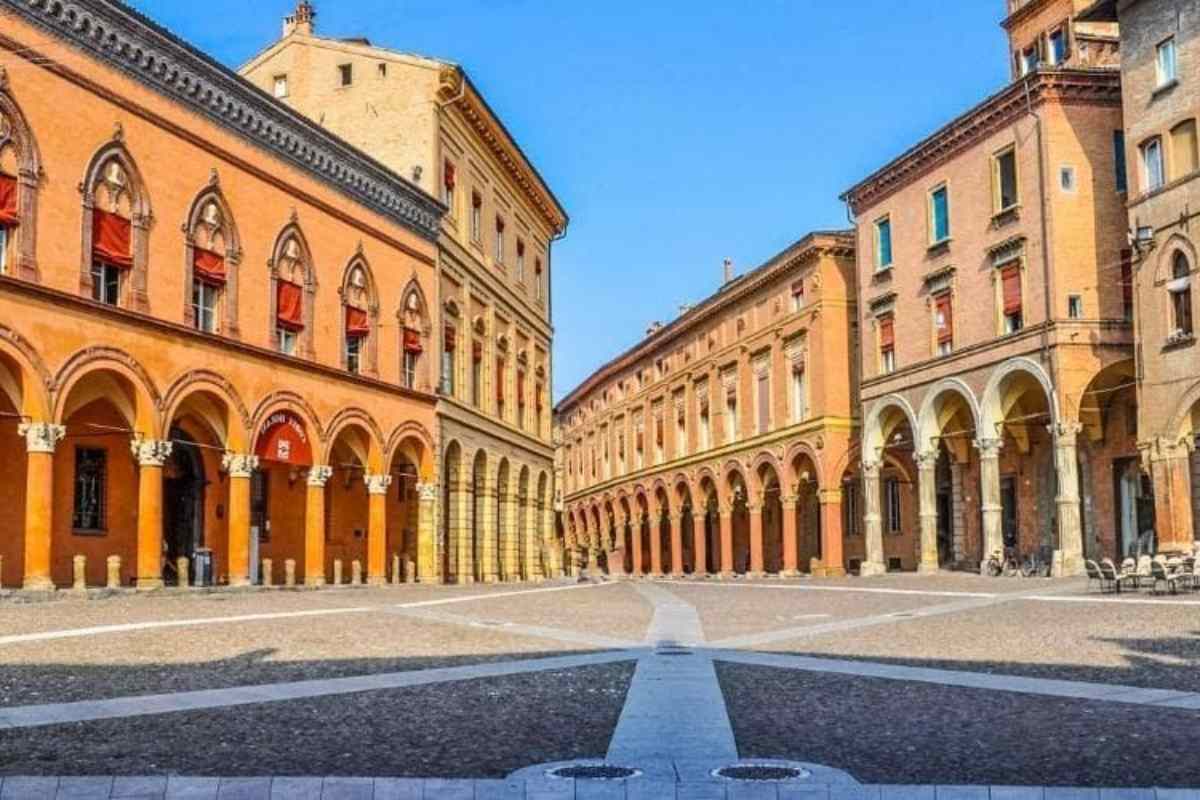
The big one is the Portico of San Luca. It starts at the city gate and runs for two and a half miles up a steep hill to the Sanctuary of the Madonna di San Luca. It consists of 666 arches. It’s a gruelling walk, but the view of the Apennine mountains from the top is world-class. If your knees aren’t up for the climb, look for the San Luca Express—it’s a little tourist train that chugs up the hill from Piazza Maggiore every hour.
Also Read – What to See in Venice, Italy
2026 Travel Reality: The “ETIAS” Factor
If you’re traveling from the U.S., take note. Since the beginning of 2026, the issuing of ETIAS authorization by the European Union has also been implemented. It’s not a visa but rather mandatory pre-travel registration. You apply online; it costs about €7, and it’s linked to your passport.
And good God, please don’t drive into the city centre. Bologna is one big ZTL (Limited Traffic Zone). If you’re driving a rental car and pass those white poles with the little red lights, you’ll get a €100 ticket in the mail six months later. Use the trains. The high-speed rail from Milan or Florence is literally lightning fast and deposits you almost in the middle of the historic center.
Art City 2026: Why February is Special
If you are staying on a few more days, you’re in for a treat. The city hosts ART CITY Bologna from 5th to 8th February 2026. This isn’t just happening at the museum; the event is a city-wide takeover. Palaces, warehouses, and even private courtyards that are typically kept firmly locked shut open up for contemporary art installations. It’s the one time of year the city feels truly futuristic despite its medieval bones.
Also Read – Is Italy Becoming The Luxury Travel Capital Of 2026
The Verdict
Bologna isn’t as “pretty” as Florence. It’s a bit rough around the edges, there’s graffiti everywhere, and it feels like a real, working city where students and professors are arguing about politics over €4 glasses of wine. But that’s exactly why you’ll love it.
Before you leave, find Via Piella. There’s a tiny wooden window in a red wall. Open it, and you’ll see a hidden canal—the Canale di Reno—running between the buildings. Locals call it “Little Venice.” It’s a quiet, beautiful moment in a city that’s usually loud and full of life.
Anyway, wear comfortable shoes. Those cobblestones have been there for 900 years, and they don’t care about your fashion choices.
Wait, did I mention the gelato? Honestly, just go to Cremeria Santo Stefano. Order the salted pistachio. Don’t ask questions, just do it.
Frequently Asked Questions
Is it really safe to visit the Two Towers at this moment?
The space is entirely cordoned off because the Garisenda tower is essentially in “intensive care” for its as-yet-unfinished stabilization. You can’t ascend either tower these days, but they’ve installed sensors and barriers to keep the streets around them safe for walking.
What’s the story behind the ETIAS rule for US visitors?
It’s a new security check that only came into play for 2026. You’ll have to get the authorization online in advance of your trip (it costs about $8, and you can’t go to the airport without it).
Is there somewhere I can eat without a reservation in the center?
To be honest, it’s distinctly less easy in places like Osteria dell’Orsa. Best to get there right when they open at 12:30 p.m. Or check Mercato delle Erbe for a more casual, no-booking-required vibe.
How can I prevent a city driving fine?
Just don’t bring a car into the historic walls; the ZTL cameras are all over, and they’re merciless. Stay with the high-speed trains and rely on local buses when you need a break from walking.
Also Read – Italy’s Population Right Now
Is the tap water in Bologna safe to drink?
Yeah, it’s completely safe and even kind of delicious. You’ll see “fontanelle” (little fountains) throughout the city. Fill your bottle there and save money for more gelato.
Sources & References
- Bologna Welcome (Official Tourism): Current Status of the Two Towers and Local News. Use this for the latest on the Garisenda stabilization project and booking the Clock Tower.
- European Union Official Portal: ETIAS Requirements for 2026 Travelers. The primary source for the new $8 entry authorization rules for US citizens.
- Art City Bologna 2026: Official Program: The Body of Language (Feb 5-8). Confirms the 2026 theme, dates, and the special university installations.
- UNESCO World Heritage Centre: The Porticoes of Bologna: Official Inscription. Verifies the status of the city’s 62km of historical walkways.
- Biblioteca Salaborsa: The Roman Ruins Under the Glass Floor. Great reference for the archaeological layer of the city center.
Recommended