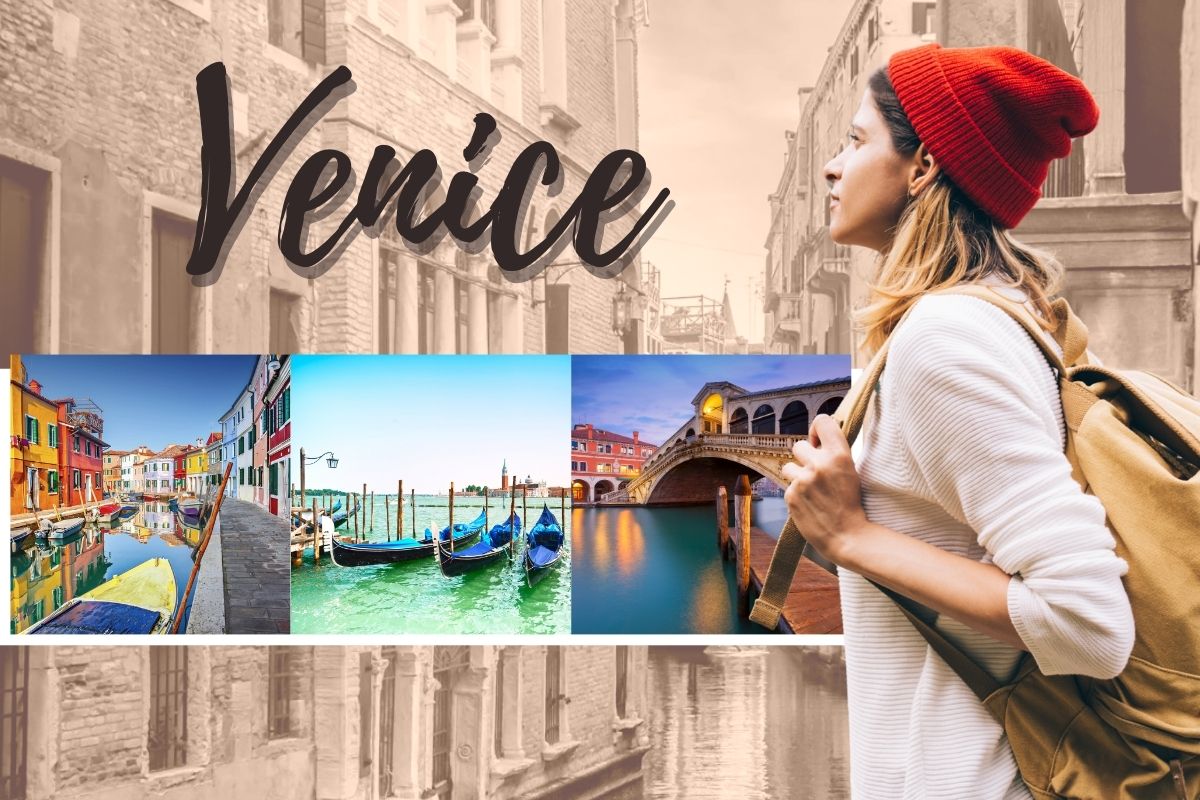
The first thing that hits you in Venice isn’t a building. It’s the quiet. There are no cars, no engines revving and no horns blowing. Just footsteps, water slapping softly against stone, and the occasional boat motor humming somewhere out of sight. You step out of the train station, and instead of taxis and roads, there’s the Grand Canal right in front of you, boats sliding by like buses.
And suddenly it clicks. This place really is floating.
People ask all the time, What should I actually see there? What’s worth the time? Because photos make Venice look like one giant postcard, but once you arrive, the maze of alleys and bridges can feel overwhelming.
So let’s slow this down. Imagine we’re walking the city together. Coffee in hand. No rush. Just figuring out what to see in Venice, Italy, without turning the trip into a checklist.
Start Where Venice Shows Off A Bit
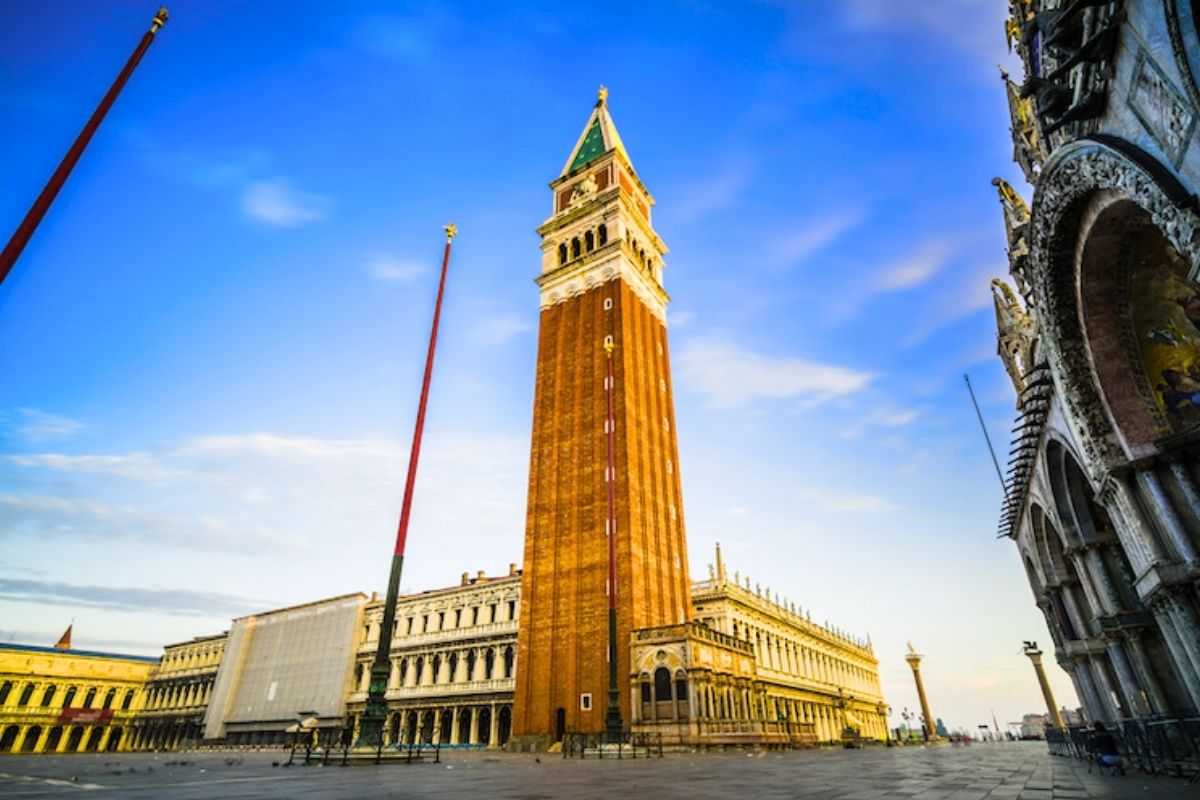
Every city has a heart, and in Venice, it’s Piazza San Marco. Yeah, it’s busy. Yes, you’ll have to contend with tourists taking pictures in every direction while pigeons peck at the crumbs at your feet. But not see it is sheer madness.
St Mark’s Basilica seems surreal when the sun touches those gold mosaics. Inside, the ceilings shimmer because they are covered with something like 86,000 square feet of mosaic work created over centuries. UNESCO has often designated the basilica and lagoon among the planet’s most important places, and let’s be honest: When you walk inside (which we did), you understand why.
Just next door is the Doge’s Palace, where Venice’s rulers once lived. Walking through its chambers and across the Bridge of Sighs into the old prison, you don’t need to work hard to imagine how powerful this maritime republic once was. Not just pretty canals. Real political muscle.
Go early or late if you can. The square gets swallowed by midday crowds.
The Grand Canal Ride Everyone Forgets Is Cheap
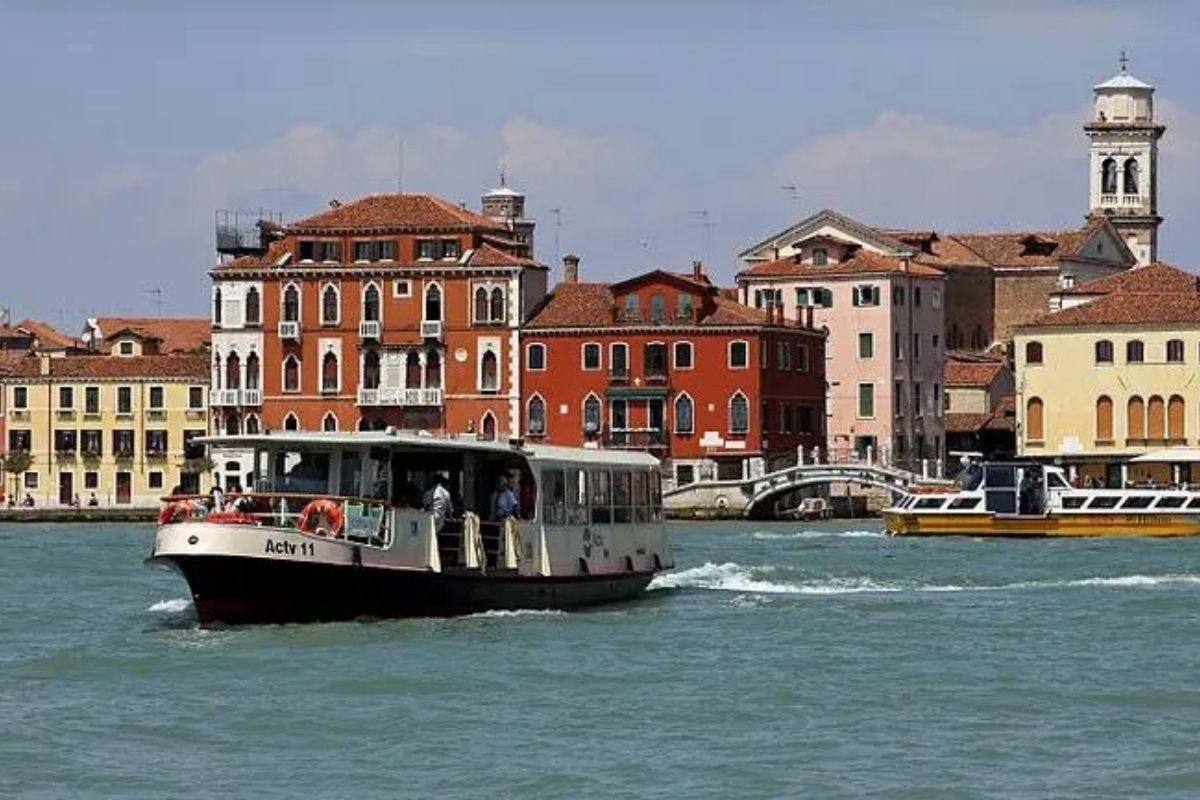
Now here’s the thing. You don’t need a pricey gondola to enjoy Venice from the water.
Take Vaporetto Line 1 instead. It’s the public water bus, and for the price of a normal transit ticket, you glide through the entire Grand Canal, passing palaces, churches, and weathered mansions leaning slightly into the water like tired aristocrats.
Locals commute on it. Tourists gawk at it. And every bend in the canal feels like another movie scene.
Honestly, most people I meet say this ride ends up being their favorite moment in Venice. No performance. Just the city drifting past.
Also Read – What is the Current Population of Italy
Ditch The Map For A While
Here’s something no one tells you about before Venice. The best moments often come when you stop trying so hard to find the right thing to see.
So yeah, fold the map, shove the phone in your pocket, and go for a walk. Not forever. Just for an hour.
Veer into the alley that appears like it’s too narrow. Cross a bridge just to see how the late afternoon light falls on its stonework. Just keep walking until all the guidebook chatter dies away and there’s nothing left but water gently bumping against ancient walls and someone upstairs shaking a tablecloth out over a canal.
And suddenly Venice relaxes.
Cannaregio is perfect for this. It’s lived in. Real life happens here. You will see people leaning out of little bars exchanging loud but good-natured nonsense about soccer or politics, kids darting across modest squares, and faded shop signs so impossibly old that you will suspect they’ve been hanging there since your grandparents’ time.
And this location is also where you happen upon one of Venice’s best pastimes: the cicchetti crawl.
Cicchetti are little bites, nothing fancy. Maybe creamy cod on bread, fried seafood, olives, or a couple of meatballs warming behind the counter. You duck into a bacaro, order a small glass of wine, eat standing up, chat if the mood hits, then wander to the next spot. No reservations. No drawn-out dinners. Just good food and easy movement.
Rick Steves has said for years that Venice works best between the famous stops, and honestly, he nailed it. Sometimes the best memory from the whole day is something tiny. Sunlight flashing green on the canal water. A quiet bridge where nobody else shows up for five minutes.
And weirdly, that’s enough.
Art, Books, And Corners People Walk Right Past
While not everything worth seeing in Venice comes with a line or a cathedral. Some places work better when you stumble into them.
If another Renaissance masterpiece is too much for you, make your way toward Dorsoduro and tuck into the Peggy Guggenheim Collection. It was once her home, and it still feels like one. There, in rooms that do not feel stiff or formal, you let Picassos and Pollocks brush by as if they were nothing at all, then cut through to stroll outside into a small sculpture garden that’s practically on the canal. Boats slide past. A breeze comes off the water. Perfect stop in the middle of a busy day.
Then there’s Libreria Acqua Alta. You may have seen it online, sure. Still worth a look. Books fill gondolas and bathtubs due to flooding, which the owner has managed to cope with. Shelves lean. Cats nap in corners. In the rear is a staircase constructed from ruined books. Climb it, and you can have a little canal view that feels oddly satisfying. Messy, slightly chaotic, totally Venice.
And if you want rooftop views without burning hours in line at St. Mark’s bell tower, find Scala Contarini del Bovolo. Most people walk right past the tiny passage leading to it. Follow that narrow lane, and suddenly there’s this spiral staircase curling upward like a stone shell. Climb slowly, and you end up looking across a sea of terracotta rooftops and church domes, usually in near silence.
Funny thing is, spots like these often feel closer to the Venice people imagine before they arrive. A bit worn. A little quirky. Full of personality.
And those are the memories that stick long after the crowded monuments blur together.
Carnival and the “Access Fee”
Since we’re talking right now, in early February 2026, you’ve probably noticed the city is shifting gears. The Venice Carnival 2026 officially kicks off today, and the theme is “Olympus – At the Origins of the Game.” It’s a tribute to the Winter Olympics Italy is hosting soon.
You’ll see the Arsenale shipyards transformed into a massive water stage for the “Call of Olympia” show. If you’re in town, don’t just stay in San Marco; the water parade in Cannaregio is where the energy is actually authentic.
But here’s the unglamorous part you need for your 2026 planning: the Venice Access Fee. The city has expanded it to 60 days this year, mostly weekends between April and July. If you’re a day-tripper, you need a QR code.
Here’s the deal on cost: If you book at least 4 days before you arrive, it’s 5 Euros. If you wait until the last minute, it doubles to 10 Euros. It’s a “hit-and-run” tax, basically. If you’re staying at a hotel, you’re exempt, but you still have to register on the official portal to get your “get out of jail free” code. They’ve got checkers at the station and major bridges, and the fines start at 50 euros. Just do it on your phone over breakfast.
The Islands: Why Burano Wins Every Time
If the main island starts to feel like a pressure cooker, jump on a boat to the outer lagoon. Murano is the famous one for glass. It’s neat to watch a guy blow a horse out of molten glass in thirty seconds, but it can feel a bit like a sales pitch.
My advice? Keep going to Burano. It’s the island where every house is painted a different neon color—pinks, blues, greens. Local legend says fishermen did it so they could find their houses in the thick lagoon fog. Whether that’s true or just a good story, it’s a photographer’s dream. While you’re there, look for Bussolà cookies. They’re these heavy, buttery S-shaped biscuits. They’re simple, they’re local, and they’re perfect with an espresso.
Also Read – Is Italy Becoming The Luxury Travel Capital Of 2026
The Secret Staircase and the Bookstore
If you’d like a view but don’t feel like waiting in the hour-long line at the St Mark’s Bell Tower, track down the Scala Contarini del Bovolo instead. It is a secret spiral staircase nestled inside of a small courtyard. It’s as if it stepped out of a fairy tale. For a few euros, you can climb to the top and behold Venice; only this time it’s the tops of the rooftops stretching out like a red-tiled sea.
And you absolutely can’t leave town without dropping by Libreria Acqua Alta. It’s probably the most famous bookstore in the world now, all credit to social media, but it’s still lovely. They store the books in bathtubs and gondolas (in full size so they won’t get drenched when an “Acqua Alta”, or high water, comes). It’s messy and crowded and has cats sleeping on piles of old encyclopedias. It’s perfectly Venetian.
A Final Reality Check
Venice is a fragile place. It’s literally sinking, and the locals are outnumbered by tourists ten to one. So, when you’re figuring out what to see in Venice, Italy, try to be a “good” guest.
- Don’t eat on the bridges. It blocks the only “roads” the locals have.
- Carry a reusable bottle. The water from the city fountains (the nasoni) is ice-cold and better than anything you’ll buy in a plastic bottle.
- Support the artisans. Buy a mask from a real shop like Ca’ Macana, where they actually make them, not a plastic one from a stall.
At the end of the day, Venice is a maze that wants you to get lost. So let it. Put the phone away, cross that bridge that looks interesting, and see where you end up. That’s usually where the best stories start.
Anyway, enjoy the walk. And seriously, don’t forget to validate your Vaporetto ticket—those fines are no joke.
FAQ
How many days should I spend in Venice?
Two days allows you to take in the big sights. Three days feels better. That extra time allows you to meander, get lost and really enjoy the place rather than rushing through it.
Is paying for a gondola ride worth the money?
It depends. It’s romantic, sure, but pricey. In the end, many of those who try taking the vaporetto end up loving it just as much and they pay less.
What is the best time to go to Venice?
The best time is usually spring or early fall. Summer gets hot and crowded. Wintertime is quieter, although you may encounter fog or intermittent flooding.
Is it truly necessary to book a time slot for St. Mark’s Basilica?
If you hate lines, yes. Otherwise, you’ll probably wait. Early morning or late afternoon spells also help.
Can you walk in Venice, or do you need transportation?
Mostly walkable. You’ll cross bridges all day. Water buses are useful when you’re tired or want to travel further down the canal.
What is the Venice access fee?
Visitors for the day are required to pay a nominal entry fee and have a QR code on busy days. There’s no charge for hotel guests, but registration is still required. Quick online job before arriving.
Sources & References
- Venezia Unica (Official City Portal): Venice Access Fee 2026: Dates, Rates, and QR Registration. The essential site for avoiding those 300-Euro fines we mentioned.
- Venice Carnival Official Site: Olympus – The Origins of the Game: 2026 Program & Water Shows. Confirms the current “Olympus” theme and the shift toward Olympic-inspired performances.
- UNESCO World Heritage Centre: Venice and its Lagoon: State of Conservation Report. The official backing for why the city’s heritage status is so fragile (and why those 86,000 sq. ft. of mosaics matter).
- The Peggy Guggenheim Collection: Visitor Info & 2026 Exhibition Schedule. Verifies the current Lucio Fontana ceramics exhibit running through March 2026.
- Palazzo Ducale (Doge’s Palace): Secret Itineraries & Hidden Treasures Tour Booking. The official link for booking those Casanova prison tours that sell out weeks in advance.
Recommended