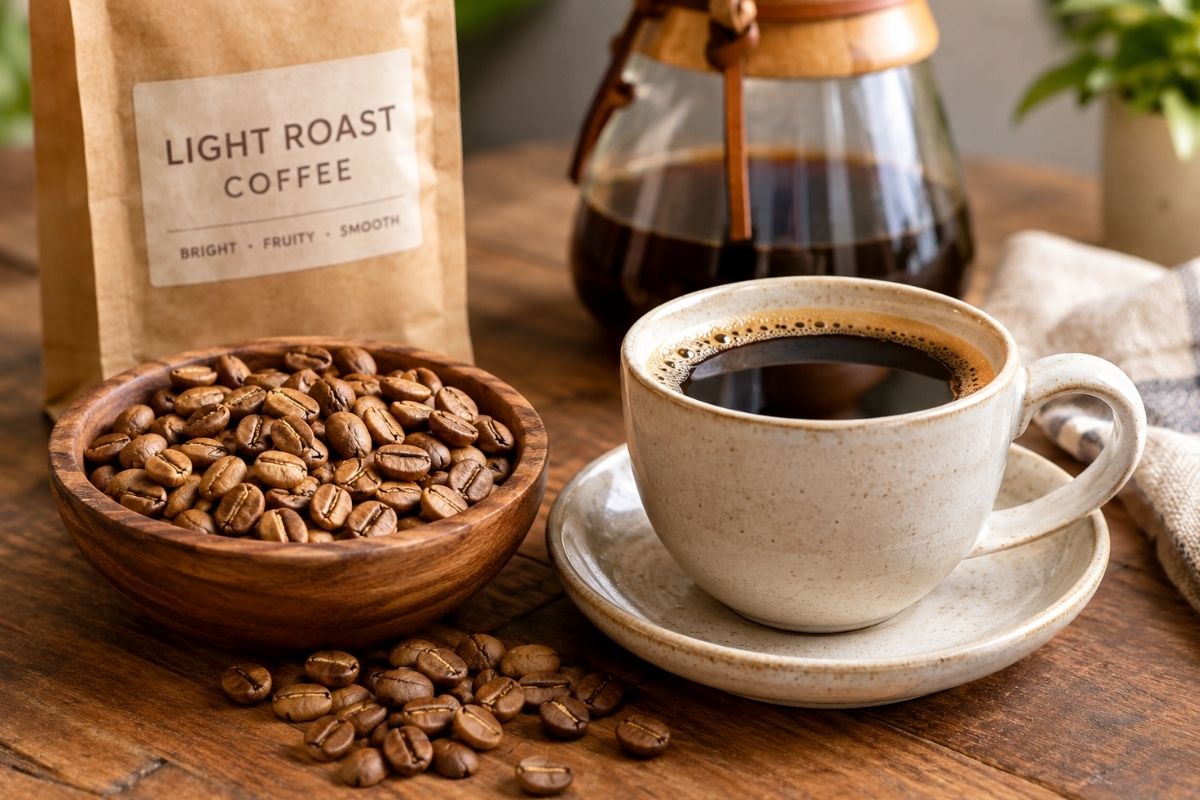
Quick Answer: Light roast coffee comes from coffee beans that are roasted for a shorter duration compared to medium or dark roast beans. It is generally light brown in color and has a brighter flavor, with noticeable fruity, flowery, or citrus notes that accentuate the natural characteristics of the coffee bean.
Coffee has many flavors, aromas, and strengths, and the roasting process plays a big part in what ends up in your cup. Ever wonder why some coffees taste fruity and refreshing, while others have a deep, smoky flavor? Often, it’s all about how the beans are roasted.
Light roast coffee is a favorite among specialty coffee drinkers because it allows the inherent qualities of the coffee beans to come through. Light roast coffee can help you choose a flavor that fits what you like, whether you prefer a simple morning cup, a pour-over, or an expertly made espresso.
What Is Light Roast Coffee?
Light roast coffee is produced from beans roasted for a relatively short time, before they develop the darker color and definite roasted flavors of medium and dark roasts.
Roasting green coffee beans results in chemical and physical changes. They lose water, swell, change color, and develop the aromas and flavors that make coffee pleasant to drink. Light roasting lets more of the beans’ original characteristics shine through.
Light roast beans are usually light brown, dry to the touch, and have little to no oil. They are usually roasted to around the first crack, at which point the beans pop as they expand.
Light roasts aren’t defined by one temperature but by the roaster and the time and temperature used in the roasting process.
Specialty coffee is usually lightly roasted to showcase the unique flavors of beans from specific growing regions, farms, and processing methods.
What Does Light Roast Coffee Taste Like?
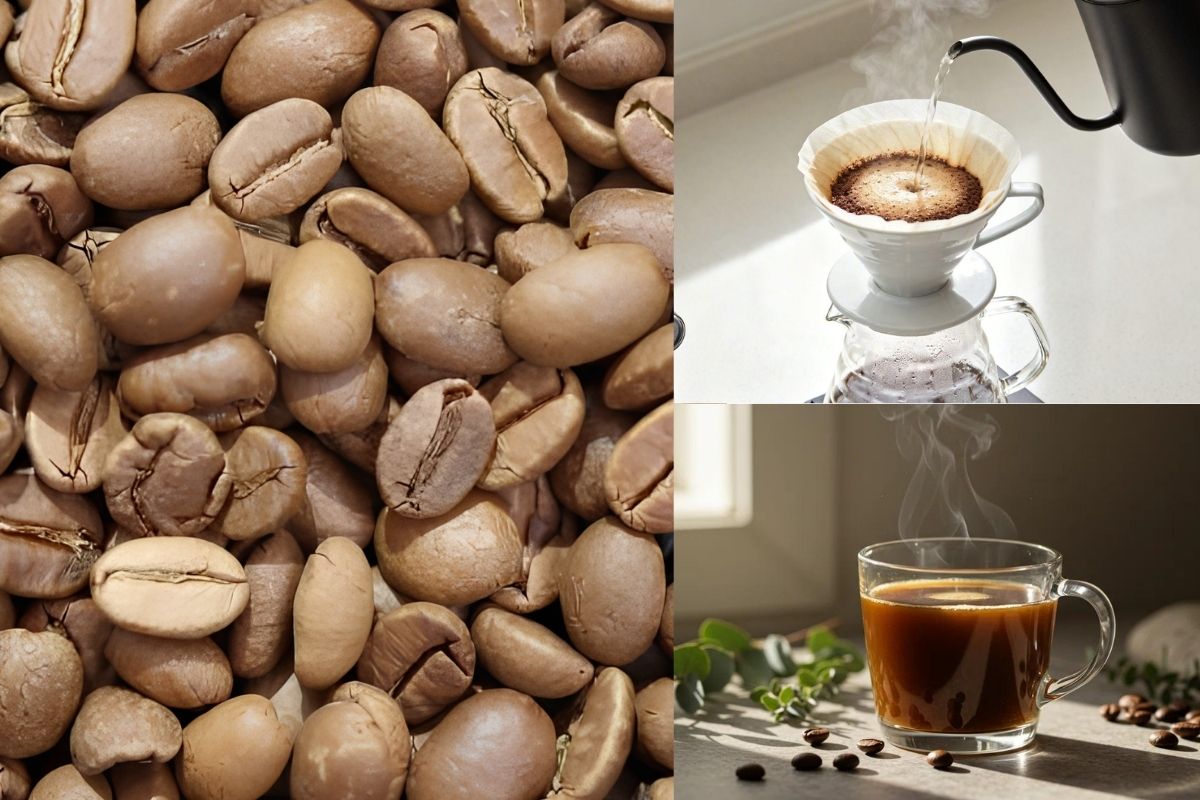
Bright, lively, and sometimes delicate flavor is characteristic of light roast coffee. Lighter roasts tend to have more of the coffee bean’s natural flavor profile, while darker roasts tend to gain pronounced toasted or smoky characteristics.
Depending on the beans’ origin and processing method, you may notice the following characteristics:
- Fruity notes: Flavours resembling berries, apples, peaches, or tropical fruits.
- Citrus notes: A refreshing taste similar to lemon, orange, or grapefruit.
- Floral aromas: Delicate hints of jasmine or other flowers.
- Bright acidity: A lively sensation that can make the coffee taste crisp and refreshing.
- Subtle sweetness: Notes that resemble honey, caramel, or sugar, depending on the beans.
Light roast coffee can also taste nutty, chocolatey, or sweet. Its flavor isn’t just determined by the roast level. The type of coffee bean, where it was grown, how it was processed, and how it was brewed all affect the taste.
It’s worth remembering that acidity doesn’t mean that the coffee is sour. Light roast coffee, well roasted and properly brewed, can have a nice, balanced brightness.
Also Read – What Food Places are there to Eat at Leicester
Light Roast vs Medium Roast vs Dark Roast
The main difference between coffee roast levels is how long the beans are roasted and how this process changes their flavour, colour, aroma, and texture.
| Feature | Light roast | Medium roast | Dark roast |
|---|---|---|---|
| Colour | Light brown | Medium brown | Dark brown |
| Flavour | Fruity, floral, bright | Balanced, nutty, sweet | Smoky, bold, roasted |
| Acidity | Often more noticeable | Moderate | Often less noticeable |
| Body | Light to medium | Medium | Medium to full |
| Surface oils | Usually dry | Usually dry | May appear oily |
| Best for | Pour-over, filter coffee | Everyday brewed coffee | Bold coffee and milk-based drinks |
These are general characteristics rather than strict rules. The coffee’s origin, bean variety, and brewing method can make a significant difference to the final taste.
Does Light Roast Coffee Have More Caffeine?
Light roast coffee is often thought to have more caffeine than dark roast coffee, but the answer depends on how the beans are measured and brewed.
Weigh your coffee, and the difference in caffeine between light and dark roasts is generally negligible and can differ depending on the type of beans and brewing method. Light roast beans may have more caffeine per volume (e.g., when you measure with a scoop) because they are denser than darker-roasted beans.
The amount of caffeine in your cup depends on the species of coffee, serving size, grind size, and coffee-to-water ratio.
For example, Robusta beans tend to have higher caffeine content than Arabica beans, regardless of whether they are light or dark roasted.
If you are concerned about caffeine content, think about the type of coffee bean and how much coffee you use, not just the color of the roast.
How to Brew Light Roast Coffee at Home
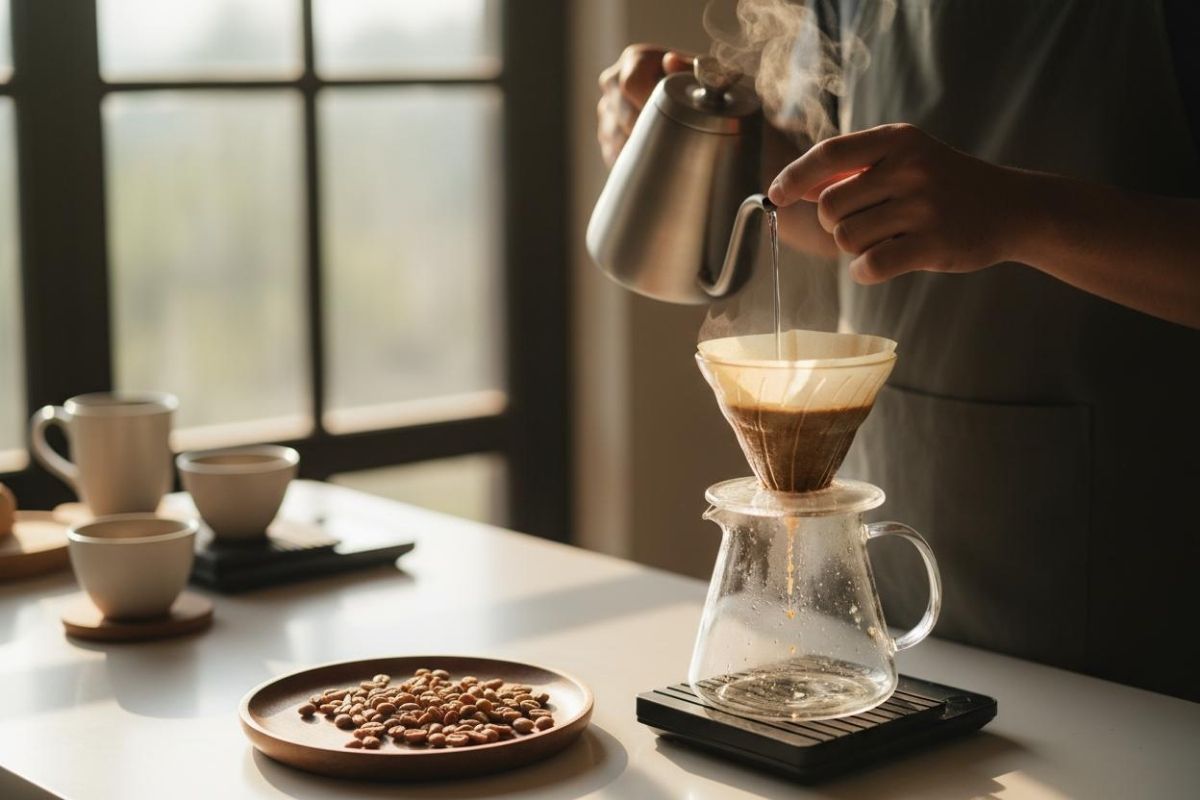
Light roast coffee can be delicious at home, but it sometimes requires a little more attention than darker roasts. Its delicate flavours can be difficult to extract properly if the grind is too coarse or the water is not hot enough.
Here are a few practical tips to get started.
1. Choose the right brewing method. Pour-over, drip coffee, and AeroPress are good options for exploring light roast flavours. These methods can highlight the coffee’s fruity and floral characteristics.
2. Use sufficiently hot water. A starting temperature of around 93–96°C (200–205°F) can help extract flavour from light roast beans. Adjust the temperature according to the coffee’s taste and your brewing equipment.
3. Experiment with the grind size. Start with a medium grind for pour-over coffee. If your drink tastes thin or sharply sour, try grinding a little finer. If it tastes excessively bitter or dry, try a slightly coarser grind or shorter brewing time.
4. Measure your coffee and water. A starting ratio of 1 gram of coffee to 15–17 grams of water works well for many filter brewing methods. For example, use approximately 15 grams of coffee with 240–255 grams of water.
5. Buy fresh beans and store them properly. Keep coffee in an airtight container away from direct sunlight, heat, and moisture. Grinding just before brewing can also help preserve its aroma.
The best recipe is the one that produces a balanced cup for your taste. Change one variable at a time until you find the result you enjoy.
Also Read – What Is Wagyu Beef?
Is Light Roast Coffee Good for You?
A light roast coffee can be part of a healthy diet, especially when consumed with minimal added sugar or cream. It has caffeine and naturally occurring substances like chlorogenic acids, like other kinds of coffee.
Some studies also show that lighter roasting can keep higher concentrations of some chlorogenic acids than darker roasting, but concentrations will depend on the beans and the brewing method. That doesn’t necessarily make light roast coffee healthier for everyone.
In moderation, drinking coffee has some possible benefits. Caffeine can help you to feel more alert and to concentrate . However, caffeine can cause restlessness, trouble sleeping, or a rapid heartbeat in people who are sensitive to it.
Light roast coffee isn’t always easier on the stomach. Its more acidic and brighter taste could be due to a perception of higher acidity. The effect on digestive comfort varies from person to person.
If you feel bad after drinking coffee, try decreasing your serving size, drinking it with food, or trying a different roast. Those sensitive to caffeine should also keep an eye on their total daily intake.
Who Should Choose Light Roast Coffee?
If you enjoy tasting different flavors rather than just wanting a strong roasted flavor, then a light roast coffee would be a good option for you.
You may enjoy it if you:
- Prefer fruity, floral, or citrus-like flavours.
- Want to explore speciality coffee from different countries.
- Enjoy pour-over or filter coffee.
- Like a lighter-bodied drink with a crisp finish.
- Want to discover how growing regions and processing methods influence coffee flavour.
If you enjoy a deep, smoky taste with a robust bitterness, you may prefer a medium-dark or dark roast. There is no such thing as a ‘best’ roast; it all depends on your preference.
If you prefer a deep, smoky flavour with pronounced bitterness, a medium-dark or dark roast may suit you better. There is no universally best roast; the right choice depends on your personal preferences.
Frequently Asked Questions
1. Is light roast coffee stronger than dark roast?
Light roast coffee can taste brighter and more complex, while dark roast coffee often tastes bolder and smokier. Neither is automatically stronger in caffeine.
2. Is light roast coffee more acidic?
Light roast coffee generally has more noticeable perceived acidity than dark roast coffee. This often creates a bright, fruity flavour rather than necessarily indicating a higher measured acid content.
3. Is light roast coffee good for beginners?
Yes. It is worth trying if you enjoy mild, fruity, or refreshing flavours. However, beginners who prefer familiar chocolatey and nutty notes might find medium roast easier to enjoy.
4. Can you use light roast coffee for espresso?
Yes. Light roast beans can make excellent espresso, although they may require adjustments to grind size, water temperature, and extraction time to achieve a balanced flavour.
5. Why are light roast coffee beans not oily?
They are roasted for less time, so their natural oils are less likely to migrate to the surface. This usually leaves light roast beans looking dry and light brown.
6. Which coffee beans are best for light roasting?
High-quality Arabica beans are popular for light roasting because they can showcase distinctive floral, fruity, and citrus notes. However, the best beans depend on your preferred flavour profile and brewing method.
Also Read – 35 Authentic Italian Cheese Types
Conclusion
Light roast coffee is coffee that has been roasted for a shorter period of time. It is light brown in color and typically accentuates the original flavors of the coffee bean. It’s known for its fruity or floral aromas, brightness, and a lighter body than darker roasts.
If you are a fan of specialty coffee, or just want something different to kick off your morning, light roast is absolutely worth a shot. Buy a new bag of roasted coffee and make it with hot water and play around with the grind and coffee-to-water ratio. You might find flavors you never expected in an average cup of coffee.
Sources and References
Lavazza — Light, Medium and Dark Roast Guide
Healthline — Light vs Dark Roast Coffee: Nutrition and Caffeine
Coffee Association of Canada — Coffee Roasting Basics
Specialty Coffee Association — Understanding Coffee Roast Levels