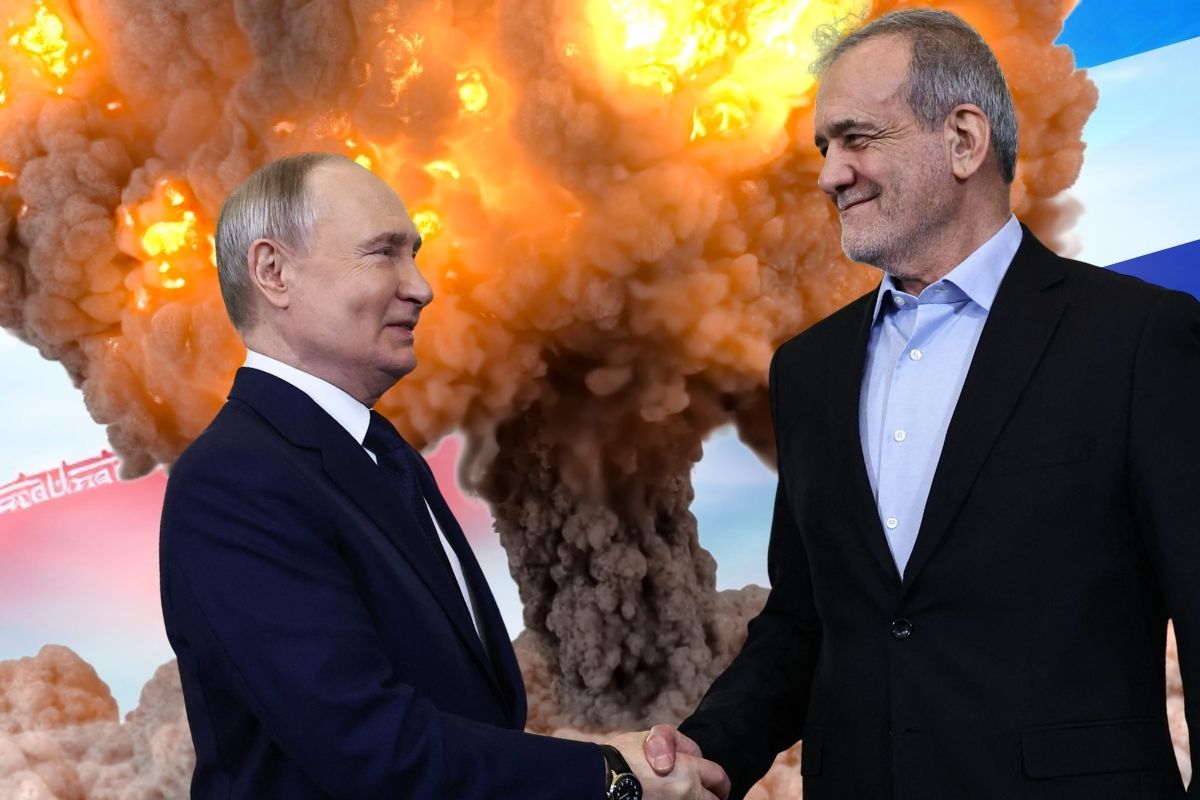
On Feb. 28, 2026, the geopolitical map shifted dramatically. When the conflict engulfing the United States, Israel, and Iran erupted, a long-simmering partnership rapidly solidified into an ironclad military axis. This Iran alliance with Russia is more than a mere communion of grievances or occasional trade deals. It has evolved into a high-stakes survival tactic for both countries. While Moscow hasn’t put boots on the ground in the Middle East, its presence is felt in every radar screen and drone hangar across the region. The relationship operates as a sophisticated exchange of technology, intelligence, and economic workarounds designed to blunt the edge of Western intervention.
From real-time satellite data to the steady flow of rocket components, the degree of cooperation has reached a level that many analysts did not foresee even two years ago. It’s a capricious, perilous, and remarkably efficient defensive screen that makes every move the U.S. takes in the theater more complicated.
- Tactical Intelligence: Russia provides Iran with live satellite feeds of U.S. warship and aircraft movements.
- Drone Technology Swap: The partnership has come full circle, with Russia now sending advanced, modified drones back to Tehran.
- Economic Shield: Both nations use the “Axis of Evasion” to trade outside the Western financial system.
- Oil Market Impact: Rising global oil prices caused by the conflict are providing a massive financial windfall for the Kremlin.
- Diplomatic Cover: Moscow continues to use its UN Security Council seat to block resolutions against Iran.
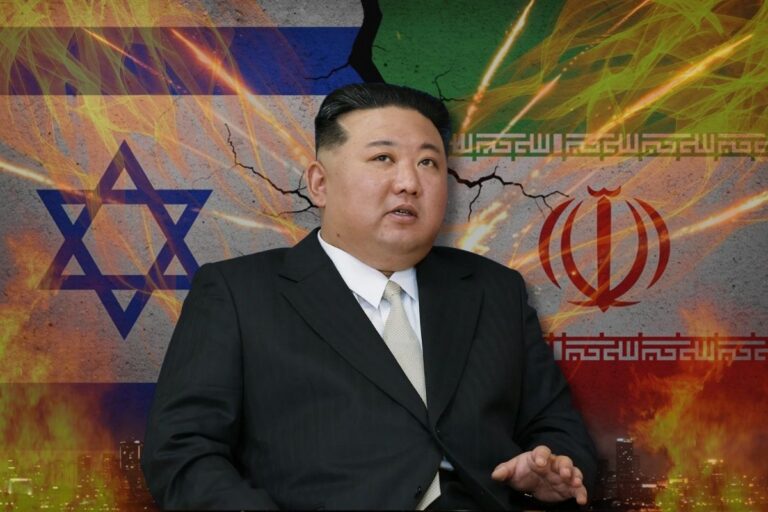
Also Read – If Kim Jong Un Enters the Iran–Israel War, What Could Happen Next?
The Intelligence Bridge: Russia’s Invisible Hand
The most important aspect of the ongoing fighting is the “silent” support offered by Moscow. With Russian troops concentrated on the European front, the Kremlin has become Iran’s chief eyes and ears in the sky. As reported by CNN in March 2026, Russian satellites are currently delivering real-time tactical intelligence directly to Iranian command centers. This data includes the exact coordinates of U.S. naval deployments in the Persian Gulf and flight paths of aircraft.
This isn’t just about spotting ships. It’s about giving the Iranian military the ability to anticipate strikes before they happen. Look at the way Iranian air defenses have behaved recently. They seem to react with a speed that suggests they know what’s coming.
That kind of foresight doesn’t happen by accident. It happens because a global superpower is whispering in their ear. By acting as a logistical backbone, Russia makes Iranian defenses significantly harder to penetrate without ever firing a single shot itself.
The Full Circle of Drone Warfare
The trade of unmanned aerial vehicles (UAVs) has taken a fascinating turn this spring. For the last couple of years, the world watched as Iran supplied Russia with thousands of Shahed drones for use in Ukraine. Now, the tables have turned. According to a March 28 report from the Associated Press, discussions are currently active regarding the transfer of “upgraded” Russian-made drones to Tehran.

These aren’t the basic models seen in 2024. These newer versions are reportedly fitted with MANPADS (Man-Portable Air-Defense Systems). The goal? To give these drones the capability to engage and shoot down enemy aircraft. It’s a move that levels the playing field in a way that makes air superiority much more expensive and risky for the U.S. and its allies.
This “full circle” trade shows how deeply integrated Iran alliance with Russia has become. They are essentially running a joint research and development program in the middle of two different wars.
Also Read – Why Lake Como Remains the World’s Ultimate Trophy Asset
Survival Through the “Axis of Evasion”
Sanctions were supposed to cripple these economies, but they’ve instead forced a new kind of innovation. In Washington, policy experts have started calling this the “Axis of Evasion.” As detailed in a recent study by the Atlantic Council, Russia, Iran, and China have built a shadow supply chain.
This network operates entirely outside the Western financial grid. It moves:
- High-grade rocket fuel.
- Precision navigation components.
- Chemical precursors for explosives.
By using localized banks and barter systems, they’ve made the U.S. dollar irrelevant in their bilateral trade. Anyway, the crazy part is how this helps Russia’s own war chest. As reported by analysts at Forbes, the spike in oil prices caused by the Middle East conflict has been a godsend for Moscow. Every time a tanker is threatened or a refinery is hit, the price of crude jumps. For Russia, that means more cash to fund its operations in Europe. It’s a win-win for them.
The Diplomatic Shield in New York
On the international scene, the collaboration is every bit as close. Sergey Lavrov (the Russian Foreign Minister) has made known his disdain for the current U.S. administration. He lately denounced the strikes inside Iran as a flagrant breach of international law.

Using their UN veto power and diplomatic clout, Russia and China guarantee that no international coalition acting in unison can act against Tehran.
It’s not just about shouting in meetings. Moscow is also acting as a regional mediator. And they’re working hard to dissuade the Gulf states — such as Saudi Arabia and the U.A.E. — from siding with a U.S.-led front.
The strategy is straightforward: maintain division within the region so that the U.S. bears the burden alone. It’s a classic move. Just keep the Americans distracted on two fronts, and they’ll eventually run out of steam or money. Or both.
Also Read – Italy’s Population Right Now
The Unique Angle: The “Gray Zone” Tech Transfer
While most reports focus on big missiles and drones, the real danger in Iran alliance with Russia might be the “gray zone” technology. There’s growing evidence that Russian engineers are helping Iran harden its domestic internet and communication silos. Why does that matter? Because it makes cyber warfare—a favorite tool of the West—much less effective.
If the Iranian command and control systems are built on Russian “unhackable” architecture, the digital war becomes a stalemate. This hidden layer of the alliance is what will likely sustain Iran if the kinetic war drags on for months. It’s a technological bunker that is being built in real-time.
FAQ
Is Russia actually fighting in Iran?
No. Russia is acting as a “silent partner.” They provide intelligence, technology, and parts, but they haven’t sent soldiers or pilots into combat. They want to keep their resources for the Ukraine front.
How does this alliance affect gas prices in the U.S.?
The conflict has caused massive volatility. Because Iran and Russia are both major energy players, any tension between them and the West sends oil prices up. Analysts suggest this is actually helping Russia fund its own military.
What is the “Axis of Evasion”?
It’s a term used to describe the secret trade routes and financial systems used by Iran, Russia, and China. They use these to move military supplies and oil without using U.S. banks or the SWIFT system.
Can the U.S. stop the drone trade?
It’s tough. Since these countries share a border through the Caspian Sea, they can move goods via ship without ever entering international waters or being intercepted by the U.S. Navy.
The situation in April 2026 remains incredibly fluid. The recent mention of Secretary of State Marco Rubio’s diplomatic efforts suggests the U.S. is trying to find a wedge to drive between these two powers, but so far, the bond looks solid.
Also Read – Brandi Carlile and Catherine Shepherd Spotlight Swadesh Fine Jewellery
Final Thoughts
The Iran alliance with Russia has become a functional necessity for both regimes. Moscow needs the distraction in the Middle East to take the pressure off its borders, and Tehran needs the high-tech umbrella that only a superpower can provide. Look, there are no gentle off-ramps here. As long as both countries feel cornered by Western sanctions, they will continue to cling together for warmth. The question is how much more technology Russia will be given before the genie’s out of the bottle, so to speak.
Think the U.S. can actually break this bond with more sanctions? History suggests otherwise. Guess we’ll see if anyone has a Plan B.
Sources and References
- Institute for the Study of War: Detailed analysis of the March 28 Iranian military updates and drone transfers.
- The Atlantic Council: Deep dive into the Axis of Evasion and the supply chains fueling the conflict.
- Forbes: Putin’s War Chest: Analysis of how the Iran-Israel conflict is impacting global oil prices and Russian revenue.
- Wikipedia Current Events: Historical context and timeline of the 2026 Iran-Israel-US military engagement.
- U.S. Department of State: Official briefing on April 2026 diplomatic shifts and the Marco Rubio-led Middle East strategy.