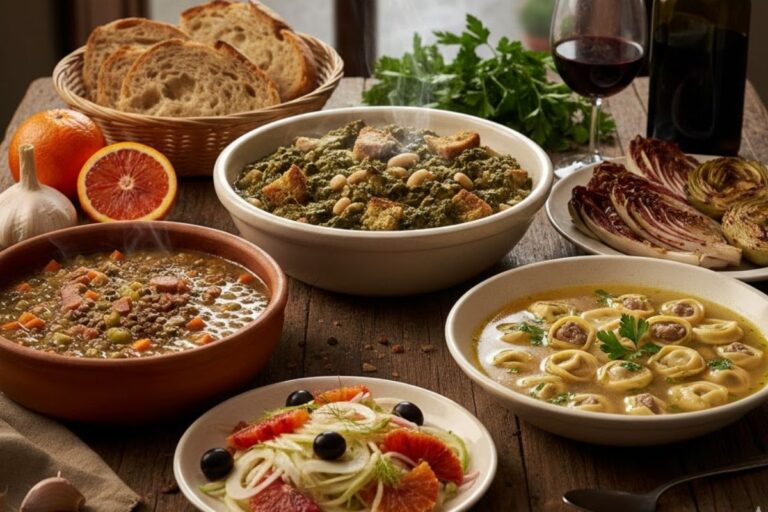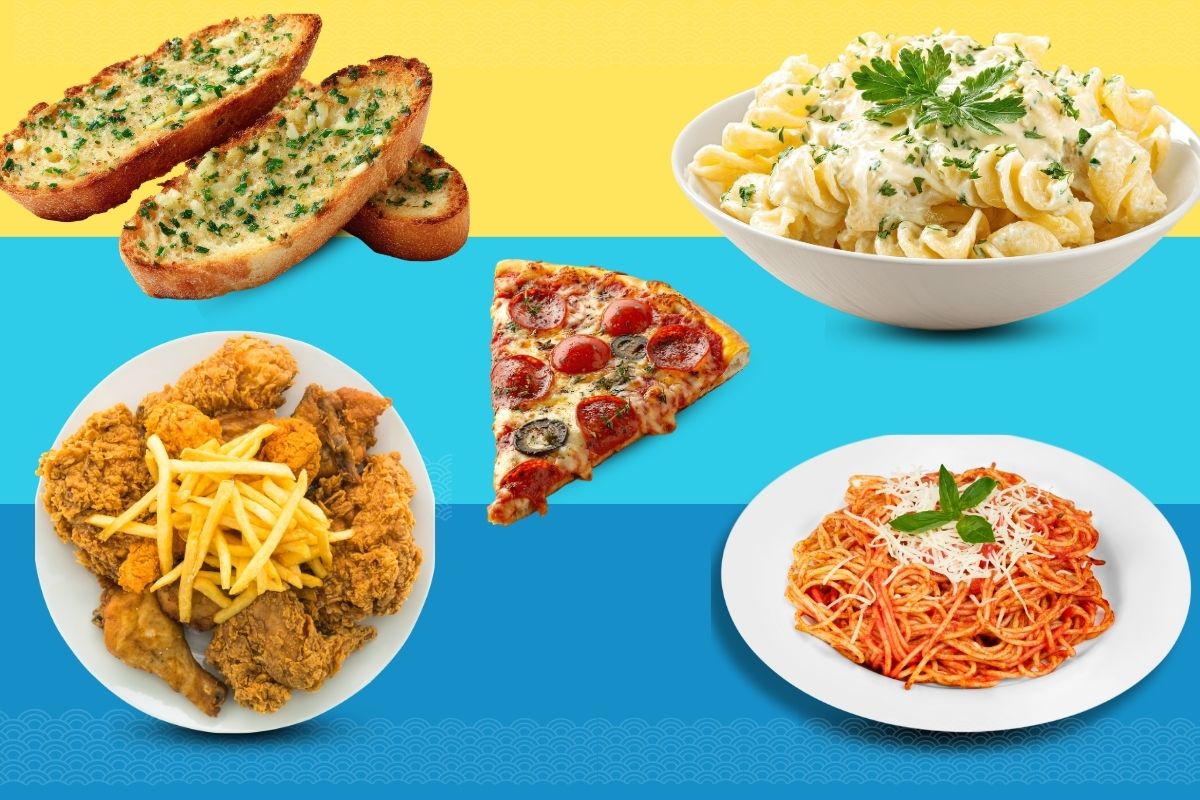
Stepping into a kitchen in Nonna’s house in Tuscany doesn’t feel anything like stepping into a “Little Italy” joint in Manhattan. Most people believe the distinction comes down to an accent or a price tag, but it’s really a philosophical conflict. One side considers a single tomato to be a sacred relic; the other treats it as a base for half a cup of sugar and enough garlic to kill a horse.
As of April 2026, the global food scene is finally beginning to sniff out the bluff. Diners are over the “red sauce” blanket that covers everything in the States, and demand for real, geographically protected ingredients is as high as it has ever been. The reality of Italian food vs. American food isn’t just about taste; it’s about a 100-year-old game of telephone where the original message got buried under a mountain of mozzarella.
- The Three-Ingredient Rule: When it comes to true Italian cooking, less is more. An Italian chef who sees a dish with more than five ingredients probably thinks it’s cluttered.
- The sugar trap: American-Italian food is often extremely high in sugar and corn syrup, particularly in the sauces. Real Italian sauce is just acid and salt.
- The Meatball Myth: You won’t find meatballs on top of spaghetti in Italy. It’s a purely American invention born from the meat-heavy markets of early 20th-century New York.
- The 2026 “Grandma” Trend: We’re seeing a massive shift in U.S. cities toward “peasant cooking”—small, bitter, vegetable-forward plates that reject the “giant bowl of carbs” stereotype.
- No chicken in pasta: This is the ultimate “tell”. If a menu has chicken alfredo, it’s 100% American.
Also Read – The Truth About Tonghou
The Abundance Complex: How We Got “The Big Plate”
The biggest shock for anyone traveling to Italy for the first time is the plate size. You sit down, you order pasta, and it arrives in a bowl that looks like a starter. That’s because it is a starter—or a “primo.” In Italy, the meal is a slow burn. You eat the pasta, then you move to the meat, then the greens.
But when millions of Italians landed at Ellis Island, they found a country where meat was cheap, and portions were a status symbol. They didn’t have time for a four-course sit-down during a twelve-hour shift. So, they smashed the courses together. The pasta got bigger, the meatballs (which were tiny in Italy) became the size of baseballs, and the “Red Sauce” era was born. It’s comfort food, sure, but it’s an American dream on a plate, not a Roman tradition.
The Garlic and Cream Deception
If you check the ingredient list of a typical “Alfredo” sauce on a U.S. grocery shelf, you will find cream, starch, and dried garlic powder. It’s thick enough to serve as wallpaper paste. Now look at the true Fettuccine all’Alfredo, from Rome: it’s simply butter and top-end parmesan. That’s it. That “creaminess” comes from whipping some of the starchy pasta water into the fat.

American palates have been conditioned to hunger for high-fat, high-sugar hits. That’s why your favorite “Italian” chain restaurant tastes so good—they’re finding those reptilian brain triggers. But it also masks the flavor of the actual wheat and tomatoes.
Authentic Italian food is actually included in the Mediterranean Diet, which emphasizes healthy fats like olive oil. Ironically, the healthier version has been around for centuries; it’s the American version that can’t shake its rep as a “carb bomb.”
Also Read – Why Italy’s Winter Menu is Actually a Pharmacy in a Bowl
Pizza: Forget the Pepperoni

Let’s settle the score right now. If you order “peperoni” in Naples, you will be getting bell peppers. As for the spicy, greasy red circles we’re so fond of in the U.S.? They are an exclusively American invention. Italian pizza requires a delicate balance. The crust is thin, frequently charred in a wood-burning oven, and it’s wet in the center. You typically eat it with a fork.
American pizza, from New York thin-crust to Chicago deep-dish, is designed to be a meal you can take with you. Fun fact: In Italy, if a traveler orders pepperoni pizza, the waiter will actually bring them a pie topped with bell peppers. That’s because “peperoni” is Italian for peppers. The pepperoni, a spicy cured meat, is an entirely American invention. American pizza is designed for a fast-paced lifestyle. It’s crispy, firm, and often oiled enough to need three napkins.
And it’s often loaded with enough cheese to shut down a small power grid. This is also where logistics come in.
The 2026 Shift: Searching for the “Real” Italy
We’re in the midst of a significant vibe shift in the food world. People are over the endless salad and breadsticks model. The trend for 2026, according to Magnifico Food, is hyper-regionality. Diners are tired of “Italian food”; they want “Northern Sicilian mountain cooking” or “Roman street food.”
That means smaller plates, more bitter herbs (radicchio and dandelion greens), and a complete repudiation of the “red sauce” clichés. People are checking labels for the D.O.P. seal on their olive oil and cheese. They want the funk of real Pecorino, not that sawdust-textured Parmesan in the green shaker.
It’s about trust and the realization that whoever made your pasta truly knows and cares about their grain—not just how much they can sell it for.
Also Read – Fun Food Trivia Questions With Answers For Your Next Game Night
FAQ: Clearing Up the Confusion
Why do Americans put chicken in pasta?
In traditional Italian cuisine, pasta and meat are served as two different courses. Adding chicken to pasta is an American way to make it feel complete, like a “balanced” meal, but this is considered a culinary sin in Italy.
Is American-Italian food “fake”?
Not necessarily. It is a true expression of the immigrant experience. It’s a hybrid cuisine, rooted in Italian techniques but with ingredients native to the United States, such as beef and cow’s milk cheese instead of veal and sheep’s milk cheese.
What is the healthiest choice when comparing these two?
Italian food in its true form is usually healthier because it’s based on unsaturated fats (olive oil) and high-quality, unprocessed products. Portions are larger and sauces contain added sugars, so American versions typically have much higher sodium and calorie counts.
Why is Italian bread different from American garlic bread?
America loves its garlic bread with melted butter and cheese. In Italy, plain bread is often served to soak up sauce or as bruschetta rubbed with a single clove of raw garlic and topped with tomatoes.
The Final Word: Choose Your Own Adventure
There is no “winner” in the Italian food vs. American food debate. Occasionally, you want a delicate, gossamer linguine with clams that tastes of the sea. Sometimes you want a meatball sub that requires a nap soon after the last bite. The trick is to know which one you’re actually eating.
The 2026 food landscape is dizzying, gloriously about truth. If the restaurant is labeled as “authentic” and serves you a side of ranch with your pizza, they are lying to you. But if they embrace the ragged, glorious history of Italian-American fusion, then it’s a nod to immigrants who made something new from nothing. Just cut yourself some slack; if next time you see “pepperoni” on an Italian menu, tell yourself you’re getting peppers, not sausage.
Well, life is too short for bad olive oil. So are we going for the refined Roman classic or the greasy American masterpiece tonight?
Sources and References
- Magnifico Food: Italian Food vs. Italian-American Food: What’s the Real Difference?
- Blu Ristorante: Cultural Deep Dive: Comparing Authentic Ingredients and Flavors
- Healthline: The Mediterranean Diet: A Detailed Guide to Traditional Eating
- Malou.io: Restaurant Industry Forecast: 12 Food Trends Shaping 2026
- Detailed.com: Top 50 Food and Culinary Authority Blogs (2026 Edition)