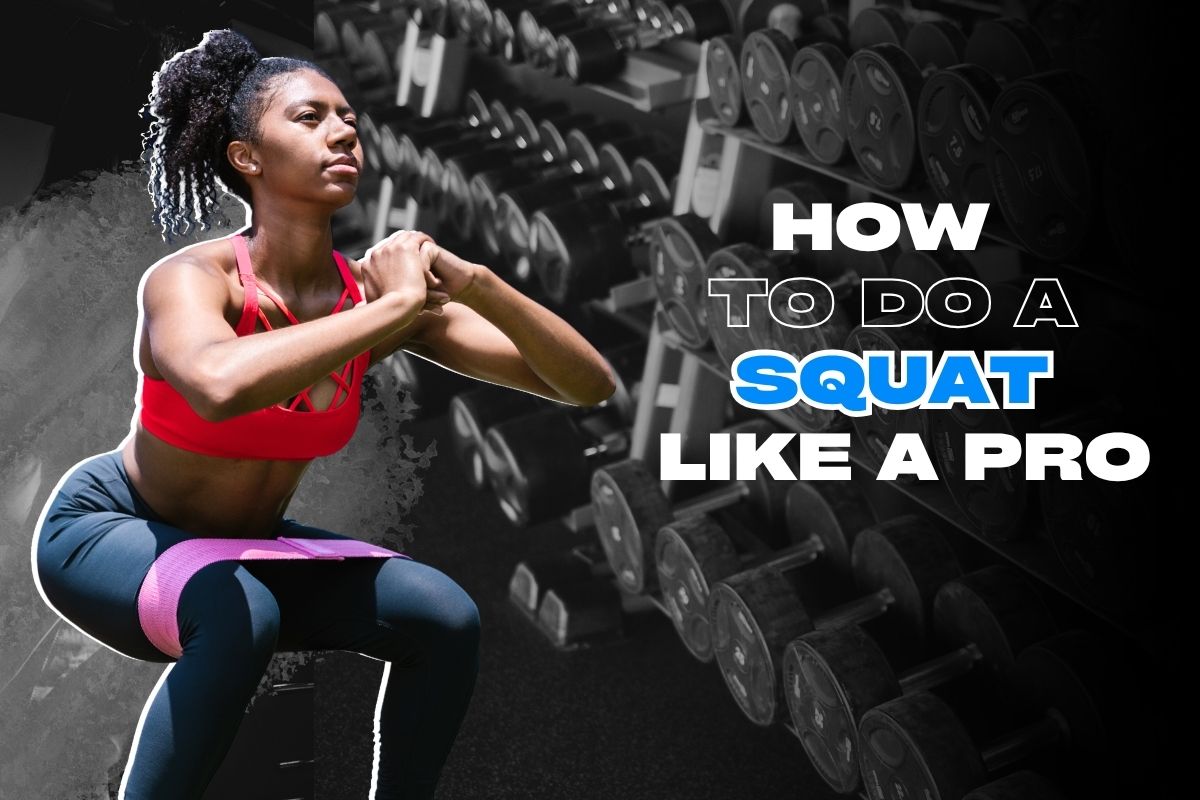
Feet about shoulder-width apart, push your hips back like you’re hunting for a chair that isn’t there, and bend your knees until your thighs go flat, then stand up by pressing through your heels.
Keep your chest up and your knees pointed out, not knocked in. That’s a squat. No gym, no gear, no excuses.
- One move and you’ve worked your quads, glutes, hamstrings, calves, and core.
- Sore knees almost always trace back to knees caving in or shooting past the toes.
- How deep you can go says a lot about your ankles and hips, weirdly enough.
- Tall and long-legged? You’re not broken; you just squat a little differently.
- Bodyweight first. Always. The dumbbells can wait.
What is a Squat?
It’s an exercise where you get into a sitting position, except no seat ever shows up to rescue you. It sounds basic, and it kind of is. Healthline calls it an “ideal exercise to strengthen the entire lower limb for both sporting and ADLs (activities of daily life)”, which is a fancy way of saying it makes regular life easier.
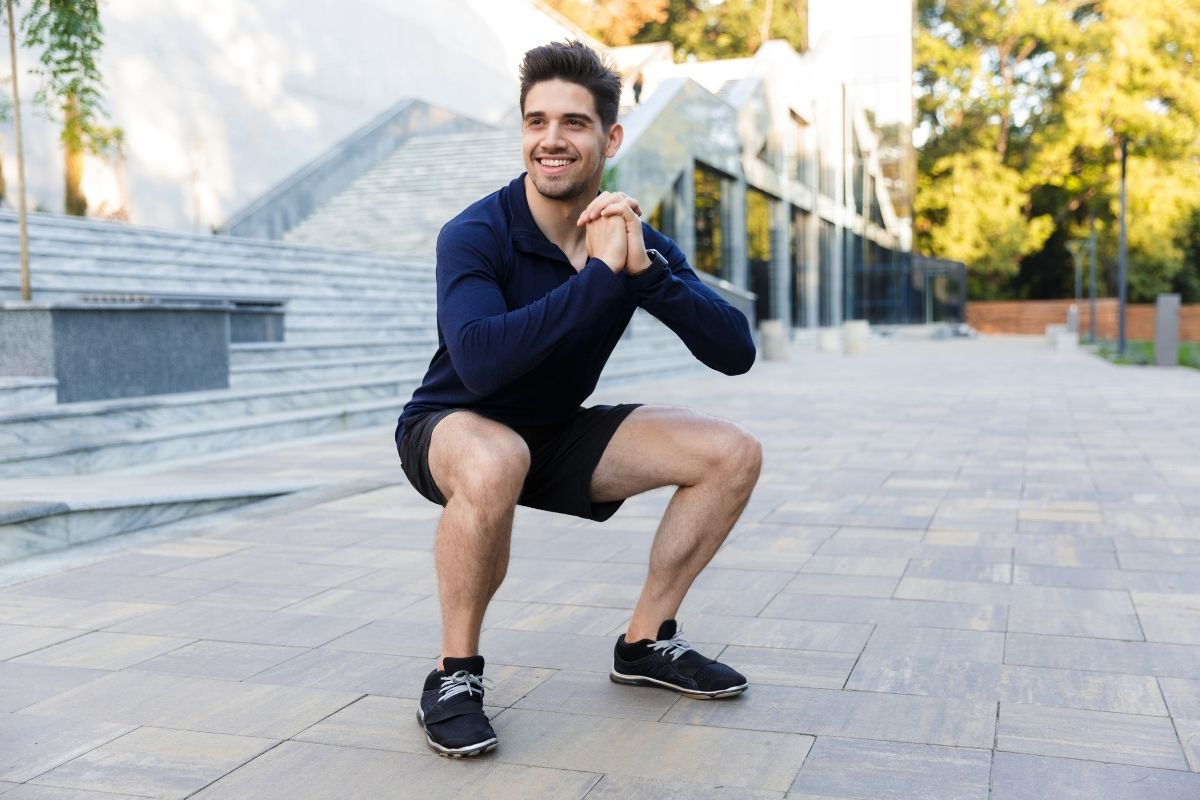
And you already do it all the time. Sitting down? Squat. Climbing out of the car? Squat. Scooping something off the floor or, yes, using the bathroom? All squats. Learn to do it well, and your whole day stops feeling like a workout.
Also Read – 5 Clear Signs Your Gut Health Is Improving
How to Do a Squat, Step by Step
- Stand tall with your feet shoulder-width apart and your toes turned out slightly.
- Tighten your core and lift your chest. Stand like you’re proud of yourself.
- Send your hips back first. Pretend there’s a chair behind you.
- Bend the knees and lower down, keeping them wide so they don’t collapse.
- Stop when your thighs are parallel, or wherever feels right for your body.
- Pause a second. Weight in the heels, spine long.
- Drive up on your heels and breathe out as you rise.
- Reset, then go again, and shoot for 10 to 15 reps.
Wobbly on your feet? Hang onto a counter or chair. The Cleveland Clinic states that doing them with your back against a wall counts too. Zero shame in that.
Which Muscles Work During a Squat?
When an individual does a squat, multiple muscles become active:
| Muscle | What It Does |
| Quadriceps | Front of the thighs: it straightens your knees on the way up |
| Glutes | Your butt generates power to stand |
| Hamstrings | The back of the thighs keeps the knees steady |
| Core | Abs and lower back keep your torso steady |
| Calves | Helps with balance and ankle stability |
As per AARP, your inner thighs and hip flexors are also involved, helping to keep everything aligned.
Also Read – Why Gen Z Feels More Stressed Than Ever
Common Squat Mistakes
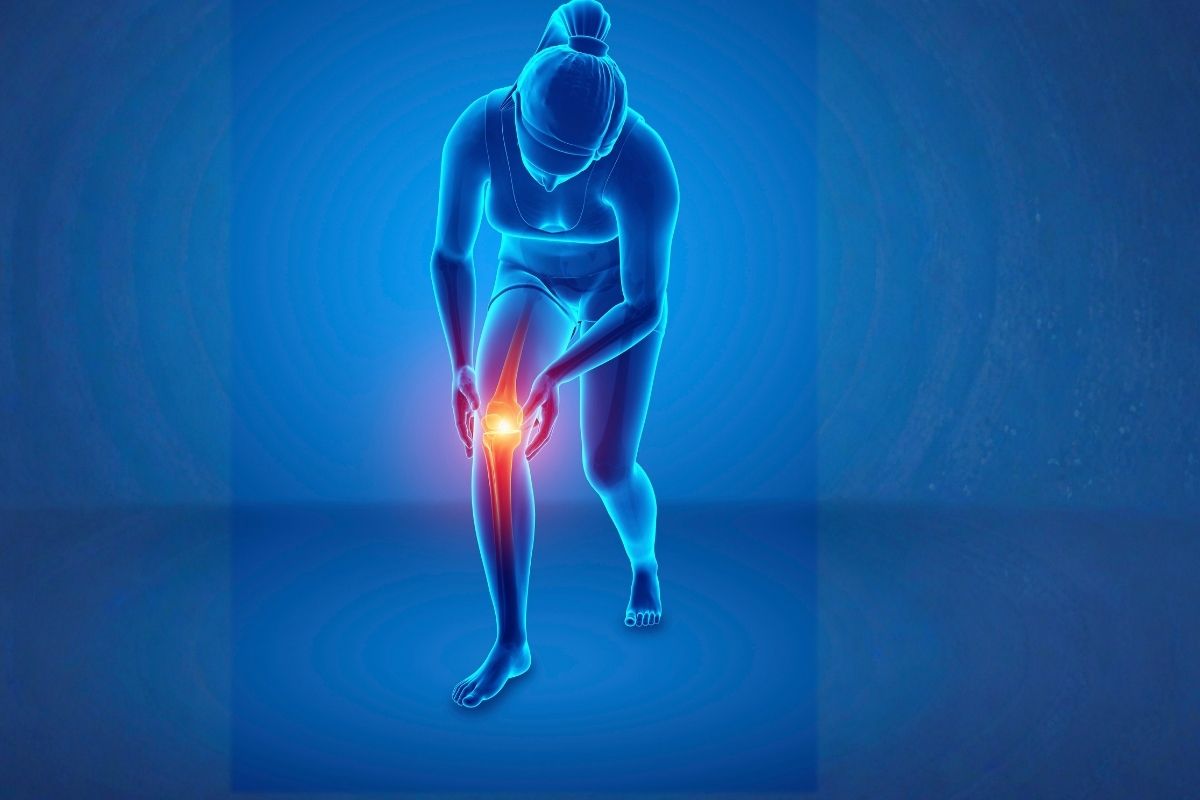
Why do my knees hurt during squats? Usually, because they’re caving inward or sliding way past your toes. Fix it by pushing your knees out and sitting back into your hips. But sharp pain is a different issue. Back off, check your form, and don’t try to muscle through it.
Why does my chest keep folding forward? Lazy core. Brace those abs before you sink and keep that chest tall the whole way down. Why do I keep tipping over? You’re stuck on your toes. Spread your weight across both feet and settle into your heels.
The thing everyone forgets? Breathing. Inhale going down, exhale coming up. It sounds dumb, but it makes a huge difference.
Benefits of Squats
Because for one little move, the payoff is ridiculous. Strength, balance, flexibility, plus protection for your knees and hips. One study pegged squats at burning about 35 calories per minute, and they kick off hormones like testosterone and somatotropin that help you build muscle.
Here’s the wild part: they might help you stick around longer. A study published in the American Heart Association’s journal Circulation found that people ages 70 to 79 with stronger quadriceps had a lower chance of dying over six years compared with those who had weaker quadriceps.
They’re also one of the rare exercises shown to build bone density, even in folks who already have osteoporosis.
What Your Squat Depth Says About Your Mobility
Struggling to get low? Your body’s basically waving a little flag. Shallow squats usually mean cranky ankles, stiff hips, a shaky core, and so-so balance, and all of those get better with reps.
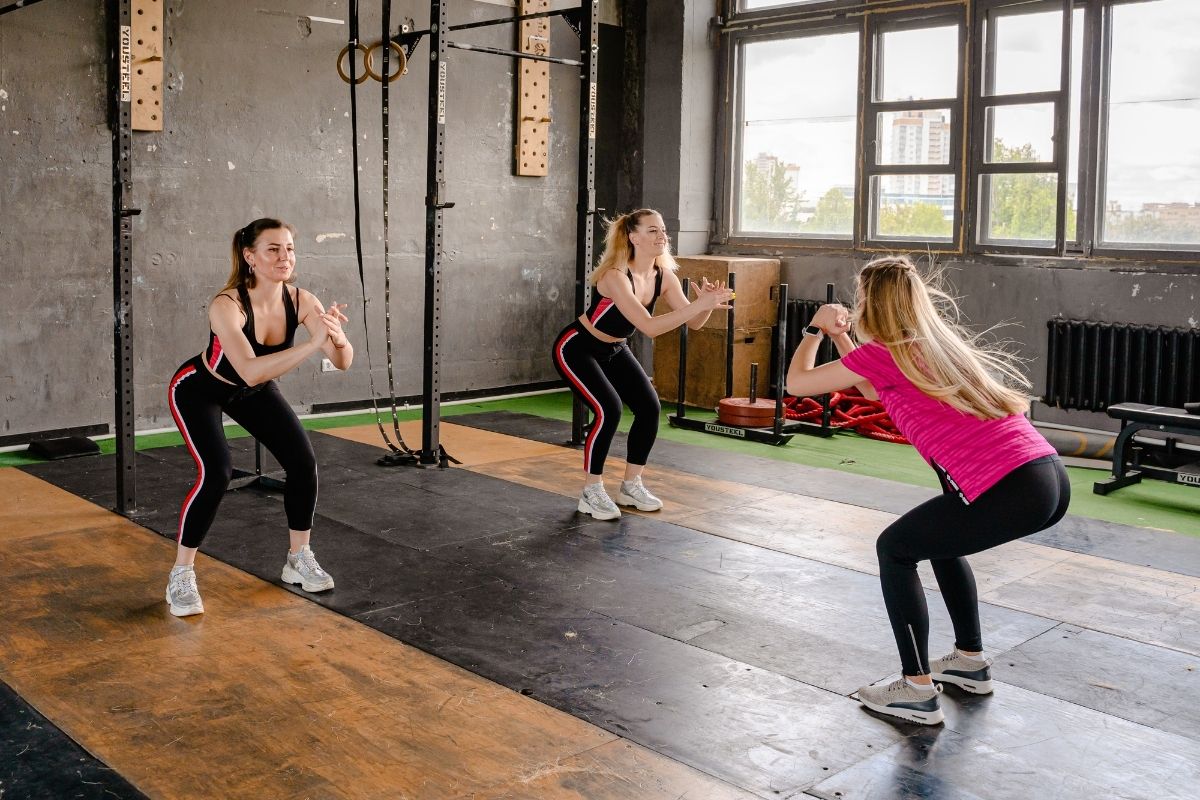
Quick self-test: Stand a fist’s distance from a wall, facing it, and squat. If you can’t reach parallel without your heels lifting or your body tipping back, your ankle mobility needs some attention. Knees drifting inward? That’s your hips and glutes talking. Try it every couple of weeks, and you’ll see the change.
Also Read – Is Garlic Good For BP?
How Different Body Types Should Squat
According to Hinge Health, there are different ways to squat for different body types:
- Tall people and long thigh bones: You’ll lean forward more and fight to hit depth. Widen your stance, flare your toes out, and stop stressing that forward tilt is just leverage, not a mistake.
- Short people: Staying upright is easy mode for you, so enjoy that range of motion and stay in control.
- Hip or knee issues: Skip the deep dive. As Denise Austin puts it, the part that really builds strength is when you come back up.
Signs Your Squat Form is Improving
You’ll just feel it click. Heels stay planted, knees quit caving, and you drop lower without anything yelling at you. Standing up feels smooth, your balance holds even when you’re cooked, and ordinary stuff like stairs, groceries, and peeling yourself off the couch gets noticeably easier.
Trainer Eric Daw sums it up: “The squat is the most important exercise for seniors”.
FAQs
- How many squats a day?
Ans: Beginners can start with 10 to 15 and build up. More experienced people might aim for three sets of 15 to 20. Listen to your body.
- Are squats bad for my knees?
Ans: Nope, total myth. If you do it in the right way, they make the muscles around your knees strong and tough.
- When can I add weight?
Ans: Once you can crank out two sets of 15 bodyweight squats and feel fine afterwards, you can start adding weight. Then grab light dumbbells.
- How often should I squat?
Ans: Aim for at least three times a week as part of a strength routine. You can go more often as you get stronger.
- Should squat hurt?
Ans: Some muscle discomfort is normal. Sharp or sudden pain isn’t. Stop and see a provider if that happens.
- Can I squat without equipment?
Ans: Yes, you can. Squats are a bodyweight move you can do anywhere, and they are often called a perfect “movement snack” for your day.
Sources & References:
- Healthline – A squat is an ideal exercise to strengthen the entire lower limb for both sporting and ADLs.
- AARP – Your inner thighs and hip flexors also work during a squat.
- Cleveland Clinic – You can also do a squat with your back on the wall.
- Hinge Health – There are different ways to squat for different body types.