Quick Answer: A Boeing 787 Dreamliner took off from London twice with a fuel switch that wouldn’t lock properly. Britain’s aviation watchdog wasn’t having it and gave Air India one week to explain itself.
Picture this: You’re a pilot at Heathrow, ready to fly across continents, and the fuel switch on your left engine keeps slipping out of position. Not once. Twice. Would you still go? Air India’s crew did. That single decision has now dragged two countries’ aviation regulators into a very public disagreement. Plus, AI India UK flights get a DGCA warning.
- On February 1, 2026, flight AI132 from Heathrow to Bengaluru had a fuel control switch that refused to lock in “RUN”. It slipped twice before finally holding on the third try.
- The Boeing 787-8, tail number VT-ANX, landed fine but was grounded in India for checks.
- Britain’s CAA fired off a letter on February 3, giving Air India seven days to explain or risk regulatory action.
- India’s DGCA leaned toward “human error,” not a mechanical fault.
- Boeing tested the switch in Seattle. No abnormality found, but a deeper module check kept going.
- All this lands just eight months after the Air India Flight 171 crash that killed 260 people, a tragedy also tied to fuel switches.
What Actually Happened at Heathrow
During pre-flight checks on February 1, the crew running AI132 noticed something off with the left engine’s fuel control switch. It wouldn’t stay clicked in the “RUN” position.
Push it down gently, and it slid right back toward “CUTOFF.” That happened twice. On the third attempt, it finally held, and the crew made the call to keep going, all the way to Bengaluru.
Sky News got its hands on the actual paperwork one of the pilots filled out. The note was blunt: the switch kept slipping and wouldn’t lock. It was just a pilot flagging a real problem on paper.
Once the plane landed, Air India pulled it from service for a safety check. The airline noted it had already gone through every switch on its 787 fleet earlier that year and found nothing wrong. So why did this one slip through? That’s what regulators wanted to know.
Also Read – The Facts Behind Theodore Barrett’s Viral White House Video
The UK Doesn’t Buy It
Two days after the flight landed, the UK CAA sent a letter that basically said, “Explain yourselves in detail.” They wanted every maintenance record tied to the aircraft’s airworthiness, a full root-cause breakdown, and a plan to stop this from happening again across the entire Dreamliner fleet.
The regulator gave Air India roughly a week, making clear that failing to deliver could mean formal action against its Boeing 787 operations. The CAA framed this as routine oversight, according to The Hindu, nothing dramatic on paper, but the tone left little room to shrug it off. Air India said it had already re-checked the switches, found nothing wrong, and would answer the UK in full.
Meanwhile, Back in India
India’s DGCA took a noticeably calmer route. Instead of demanding a fleet-wide overhaul, it sent Boeing off to run tests on the switch’s locking mechanism at its Seattle facility.
Months later, Civil Aviation Minister of State Murlidhar Mohol told the Rajya Sabha that Boeing’s testing, including checks on the switch’s internal detents, turned up nothing abnormal, though a closer look at the aircraft’s full thrust control module was still underway, as The New Indian Express reported.
Some reports went further, suggesting DGCA’s internal review pointed at human error, specifically, force applied the wrong way against the switch’s angled base plate and that Air India was told to simply retrain its crew, per The Free Press Journal.
Also Read – HMRC Admitted Overclassifying and Overtaxing Millions of State Pensioners Since 2010
Two Regulators, Two Very Different Moods
One regulator shrugs and says, “Train the pilots better”. The other says, “Prove to us this won’t happen again on every single Dreamliner you fly”. That gap is why questions grow over Air India UK flights for the DGCA warning because passengers flying the London-India route are stuck between two very different definitions of “safe enough.”
Air India, trying to stay diplomatic, said it would circulate Boeing’s official switch-handling guidance to every crew member going forward.
How is the Air India UK flight issue linked to Flight 171?
You can’t talk about any of this without mentioning June 12, 2025. Air India Flight 171, another Boeing 787-8, crashed just 32 seconds after taking off from Ahmedabad, slamming into hostel buildings at a nearby medical college.
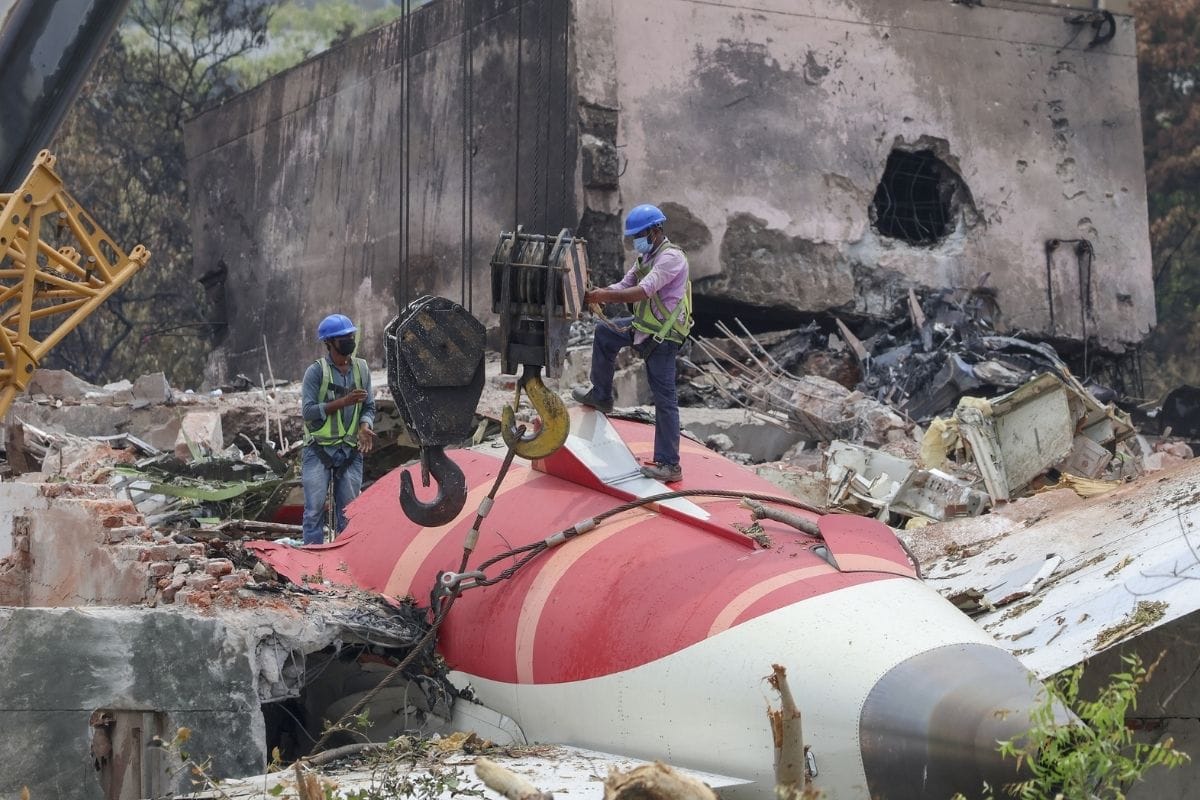
Of the 242 people on board, only one walked away. Nineteen more died on the ground. It remains the first fatal hull-loss crash for a 787 since the jet started flying in 2011.
Investigators from the AAIB found that fuel to both engines was cut off within a second of each other right after takeoff. The cockpit recording caught one pilot asking the other why he’d cut the fuel and the other saying he hadn’t touched it. The full report was expected around October 2026.
Captain Amit Singh, who runs the Safety Matters Foundation, pointed out something uncomfortable: the FAA warned about this exact kind of switch failure on 787s back in 2018. It wasn’t a secret risk. It was flagged years ago.
Also Read – Elijah Hoard is Missing After Failing to Board Flight
What Will Happen Now?
Air India says it’s now checked switches on all 33 of its Boeing 787s and come up clean. Boeing’s Seattle tests cleared the locking mechanism itself, but the broader module review was still open at last check.
Whether the UK regulator is satisfied or decides to tighten the screws further will decide how closely both countries watch every Dreamliner crossing between them from here on out.
FAQs
- What triggered the UK CAA’s warning to Air India?
Ans: A Boeing 787 flew from London to Bengaluru on February 1, 2026, even though its fuel switch failed to lock twice during engine start. The CAA wanted answers within a week. - Did the DGCA agree with the UK regulator?
Ans: Not really. DGCA leaned toward human error, while the UK CAA wanted a full root-cause investigation across the whole fleet. - Is this connected to the Flight 171 crash?
Ans: Yes, both involve 787 fuel switches. The June 2025 Ahmedabad crash killed 260 people after both engines lost fuel right after takeoff. - Did Boeing find anything wrong with the switch?
Ans: Boeing’s Seattle tests found no fault in the locking mechanism, though checks on the thrust control module continued afterwards. - Was the plane taken out of service?
Ans: Yes, the Boeing 787-8, VT-ANX, was grounded in Bengaluru for checks, and Air India then inspected switches fleet-wide. - When’s the final Flight 171 report due?
Ans: The AAIB expected its final report around October 2026, after international review and required consultations.
Sources & References:
- The Hindu – The CAA framed the fuel control switch issue as routine oversight.
- The New Indian Express – When Civil Aviation Minister of State Murlidhar Mohol talked about this in Rajya Sabha, the aircraft’s full thrust control module was still underway.
- Free Press Journal – DGCA’s internal review pointed to human error.
- Sky News – The switch kept slipping and wouldn’t lock.