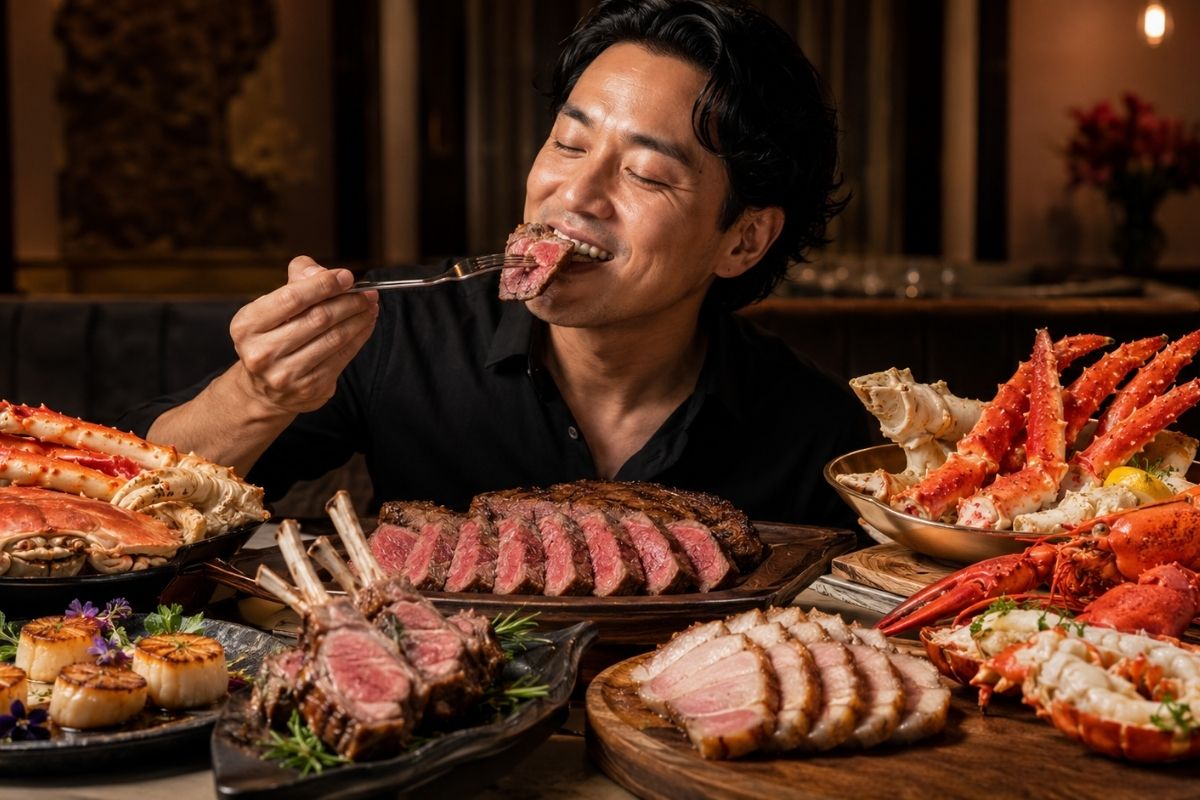
Some meats are just naturally sweet – no marinade, no sauce needed. Wagyu, lamb, scallops, crab, lobster – all of them have that quality built in. Blame the fat, the diet, the cold water. Whatever the reason, the sweetest meat is real, and it’s noticeable. Here’s what’s actually worth your money.
- Sweetness in meat comes from glycogen, fat marbling, and the animal’s diet.
- Wagyu beef and lamb rank among the sweetest land-based meats.
- Scallops, crab, and lobster lead the way for the sweetest seafood.
- Cooking method plays a big role in how sweet a meat tastes.
- Heritage breed pork is making a comeback as one of the sweetest pork options.
What Makes Meat Taste Sweet?
Before getting into the list, it helps to understand where that natural sweetness actually comes from.
Meat gets its sweet notes from a few sources. Glycogen stored in muscle tissue converts to lactic acid after slaughter, but small residual amounts still contribute a mild sweetness. Fat marbling is the bigger factor. Fat carries flavour compounds, and in well-marbled cuts, those compounds lean sweet and buttery rather than sharp or gamey.
Diet matters too. Animals raised on corn, sweet grass, or shellfish-rich diets tend to produce sweeter-tasting meat. That’s not an opinion – it’s chemistry. The feed an animal eats directly affects the fatty acid profile of its meat.
Also Read – Truth About Tonghou
The Sweetest Meat to Eat in 2026
1. Wagyu Beef
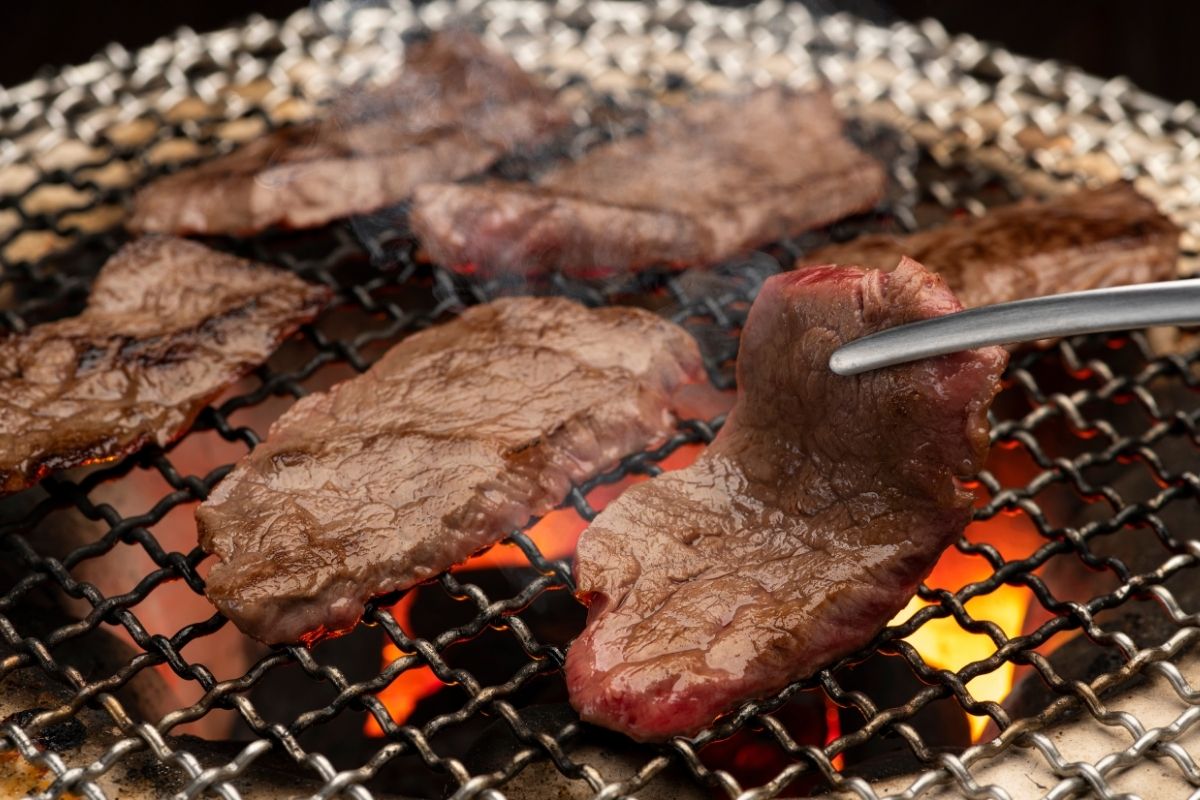
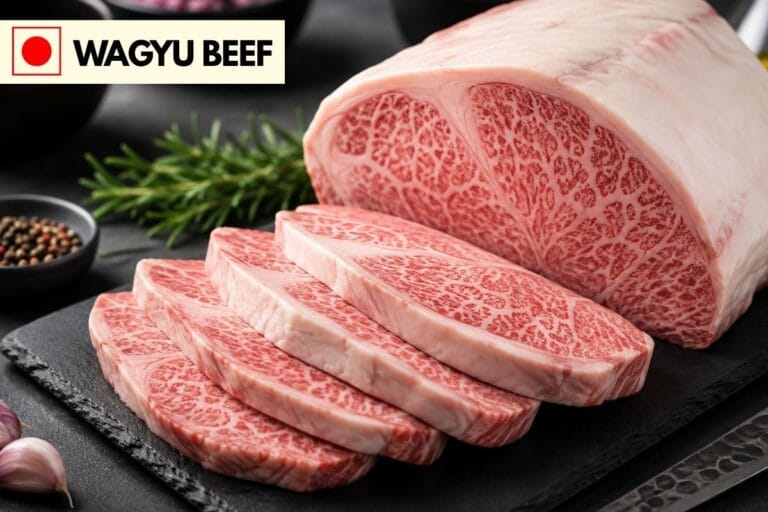
Wagyu is widely considered the sweetest land meat available. The extreme intramuscular fat – what gives it that melt-in-your-mouth texture – carries intensely sweet, buttery flavour compounds. According to the American Wagyu Association, authentic Wagyu cattle are graded on a marbling scale that goes well beyond standard USDA Prime, and that extra fat is what delivers the sweetness most people describe.
It’s not cheap, but nothing else quite compares for sheer sweet richness on the beef side.
2. Lamb
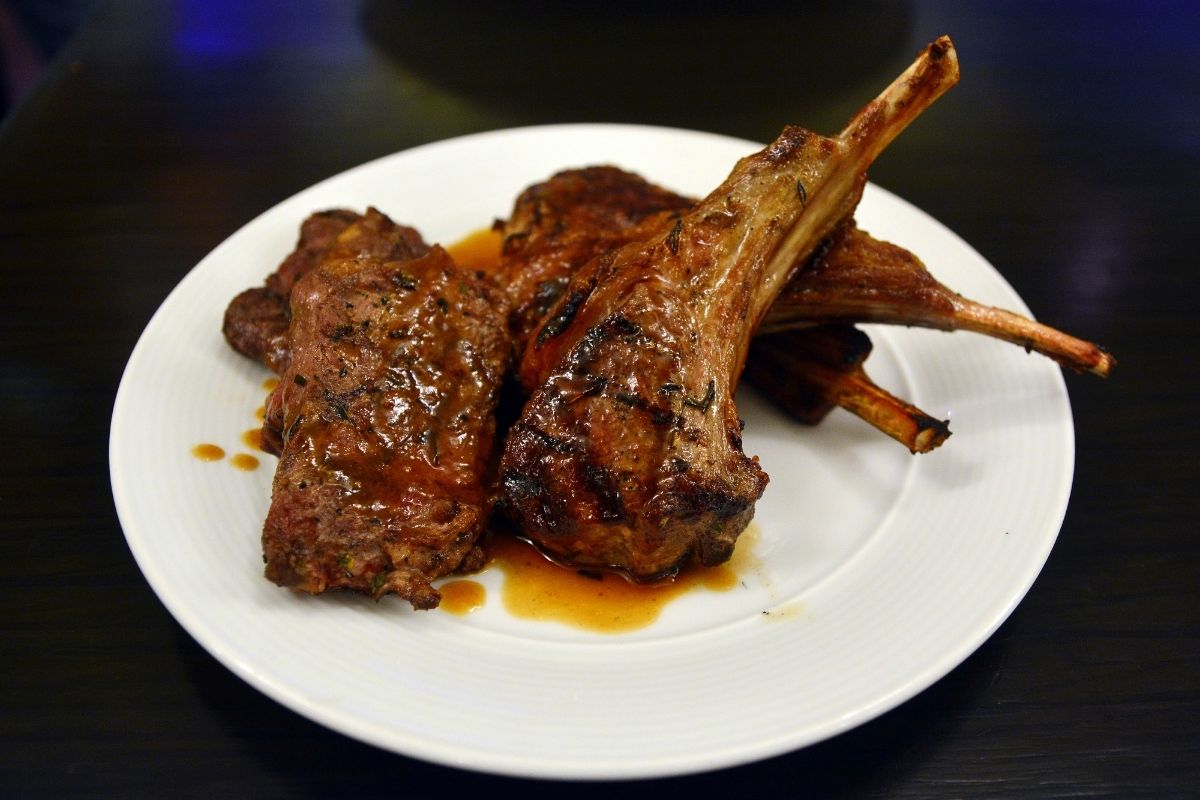
Lamb has a naturally mild sweetness, especially in younger cuts like rack of lamb or loin chops. The sweetness comes from the fat, which has a softer, less pungent profile than mutton. American lamb – raised on pasture in states like Colorado and California – tends to have a cleaner, sweeter finish than imported varieties.
Grass-fed lamb is particularly lean and sweet. The pasture diet keeps the fat composition lighter and the overall flavour more delicate.
3. Heritage Breed Pork
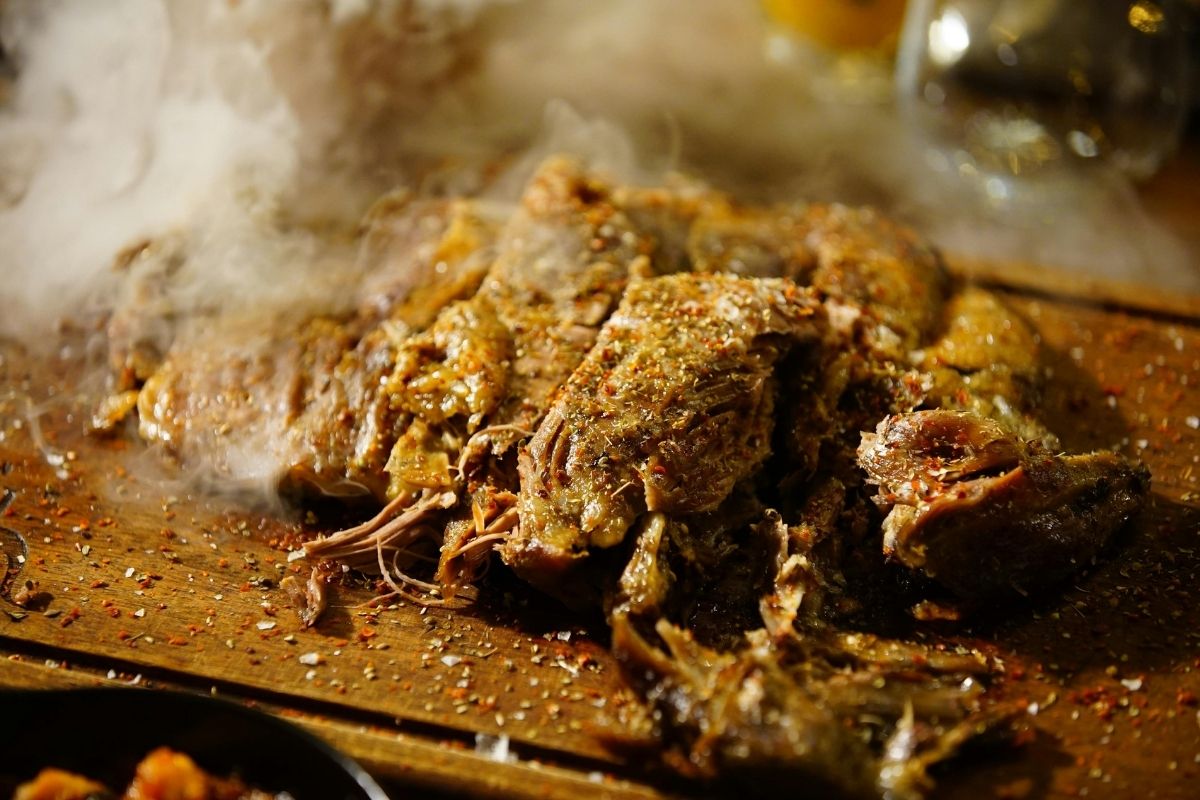
Standard commercial pork has been bred lean over the decades, and with that leanness went a lot of the flavour. Heritage breeds are a completely different story. Berkshire, Duroc, Mangalitsa – these pigs carry way more fat than anything you’d grab at Walmart or Kroger, and that fat is where all the flavour lives. According to the Livestock Conservancy, these older breeds never got put through the “leaner is better” commercial breeding cycle, which is exactly why they still taste like something.
Berkshire especially has this sweet, almost nutty finish that’s hard to forget once you’ve had it.
Also Read – Fun Food Trivia Questions With Answers
4. Scallops
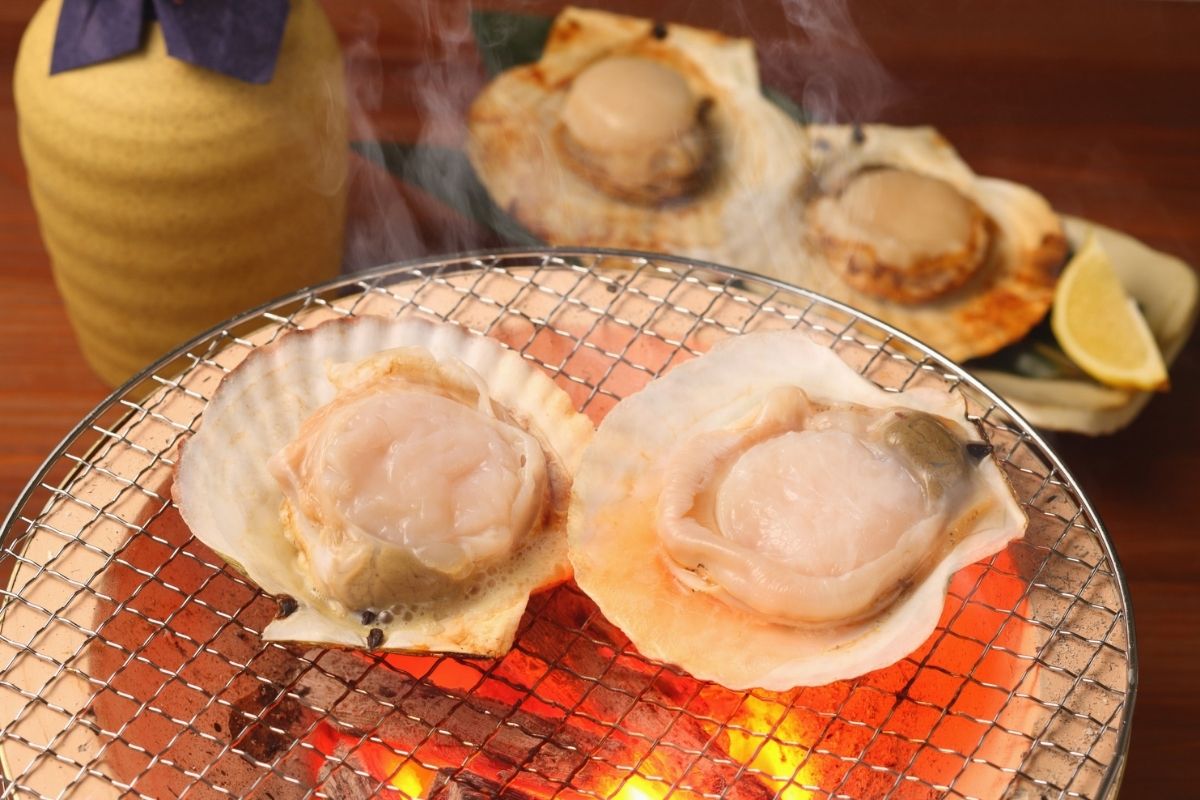
Scallops are arguably the sweetest thing on this entire list. Scallops have glycine in the muscle tissue – an amino acid that actually registers as sweet on your tongue, not savoury. North Atlantic sea scallops are some of the most sought-after shellfish in the US for exactly that reason, according to NOAA Fisheries. Most people just sear them in butter and call it a day, and honestly, that’s the right move. The more you mess with a scallop, the more you kill what makes it good.
5. Crab (Especially Dungeness and King Crab)
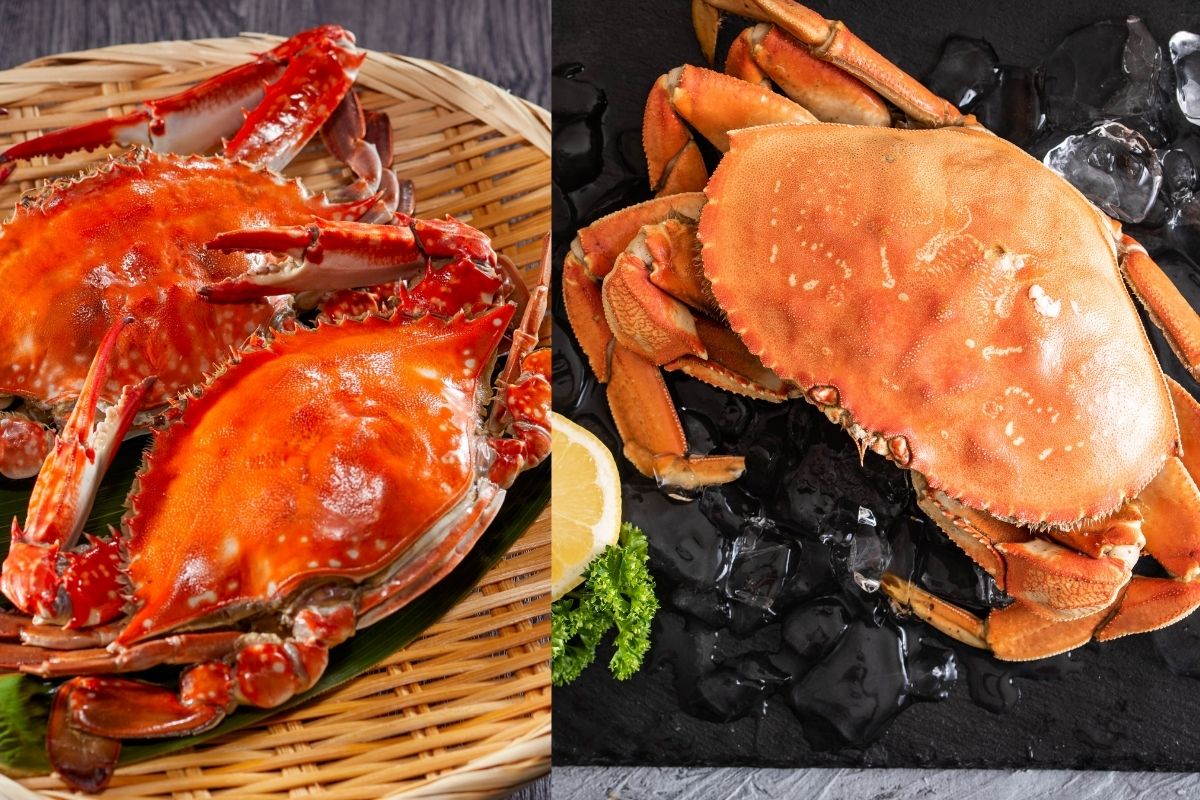
Honestly, if you’ve ever cracked open a fresh Dungeness crab on the West Coast, you already know. There’s a sweetness to it that’s almost surprising – clean, a little briny, nothing sharp or fishy. King crab legs are similar. The meat inside, especially from the legs, has this soft sweetness that somehow still tastes good cold, straight from the fridge.
A big part of that comes down to where they live. Cold, nutrient-rich Pacific waters do something to the muscle tissue – the natural sugars just sit there, undisturbed.
6. Lobster
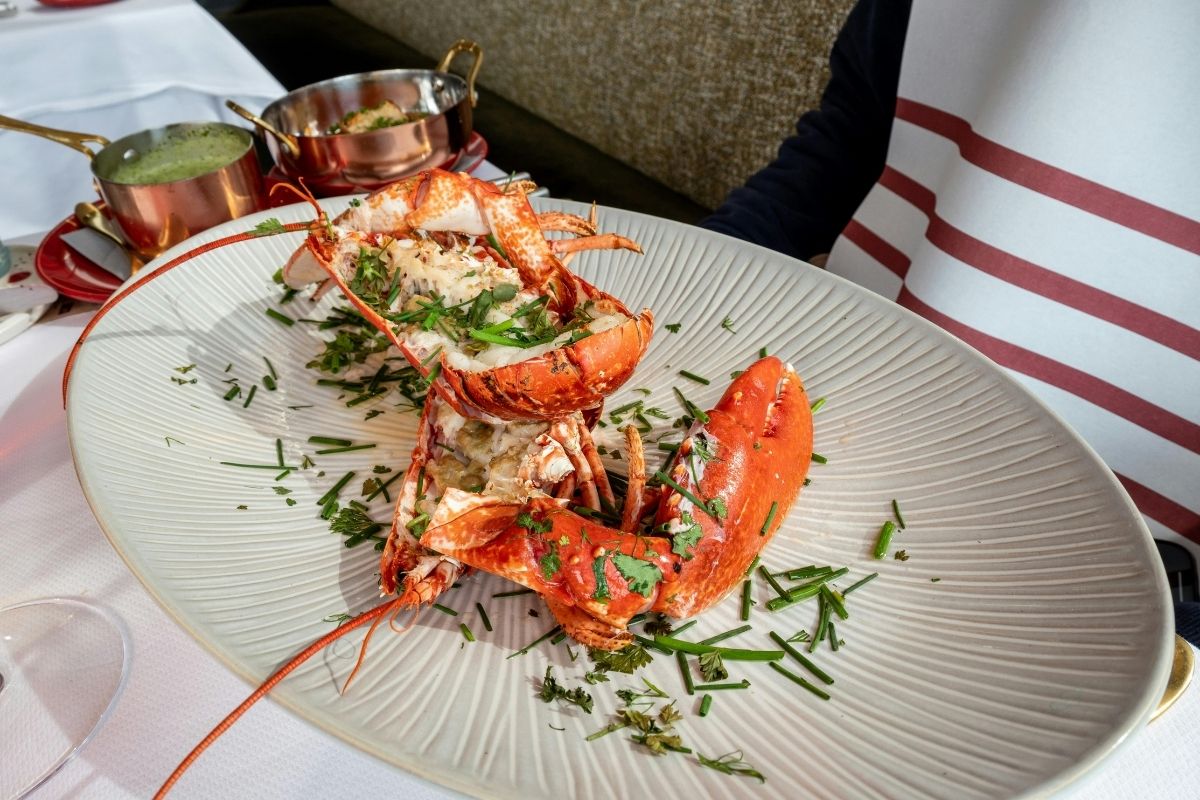
Maine lobster has a reputation for a reason. Cold-water lobsters grow more slowly, and that slower growth makes the muscle denser and the flavour more concentrated. Warm-water lobster tails – the kind you’ll find cheaper at a lot of restaurants – just don’t have that same sweetness. They’re fine, but they taste like a watered-down version.
Tail meat is where it’s at. Butter helps, sure, but good Maine lobster doesn’t really need it.
Does Cooking Method Affect Sweetness?
Yes – significantly.
| Cooking Method | Effect on Sweetness |
| Grilling | Adds a char that can mask natural sweetness |
| Steaming | Preserves natural sweet flavour best |
| Searing (high heat) | Caramelises surface sugars – enhances sweetness |
| Boiling | Neutral, keeps clean, sweet notes intact |
| Slow roasting | Deepens sweetness through fat rendering |
Steaming and searing tend to bring out the most sweetness. Overcooking any of these meats kills the delicate flavour compounds quickly.
Also Read – Italian Food vs American Food
What is the sweetest meat in the world?Honestly, it depends on whether you’re including seafood. If yes, scallops win, no competition. That natural glycine content makes them taste almost sugary. If you’re strictly talking about land meat, Wagyu beef is the answer. Nothing else comes close.
Is lamb sweeter than beef?
Most of the time, yeah. Regular beef has that strong, iron-heavy taste. Lamb is softer and a bit sweeter, especially the younger cuts. Wagyu is the one exception where beef actually beats it.
Why does crab taste sweeter than fish?
Fish just has a different muscle makeup – it leans savoury almost immediately. Crab muscle has more natural sugars and glycine sitting in it, which is why that sweetness hits you right away when you take a bite.
Does the animal’s diet affect sweetness?
100%. What an animal eats shows up in the meat. Corn-finished beef, cold-water shellfish, grass-fed lamb – all noticeably sweeter than animals raised on standard commercial feed. It’s not subtle either; you can actually taste the difference.
Is pork naturally sweet?
Standard commercial pork is fairly neutral. Heritage breed pork – Berkshire, Duroc, Mangalitsa – has noticeably more natural sweetness due to higher fat content and selective breeding.
Sources & References
- American Wagyu Association – Wagyu marbling and grading standards
- NOAA Fisheries – Sea scallop species profile, US Atlantic harvest
- The Livestock Conservancy – Heritage breed pork characteristics
- USDA Agricultural Marketing Service – Maine lobster premium designation
- National Lamb Feeders Association – US lamb production and flavour profiles