The word comes from the Latin cum clave, meaning with a key. It is not a metaphor. In the thirteenth century, the citizens of Viterbo physically locked the cardinals into a palace, cut their food down to bread and water, and eventually removed the roof, because the election had already dragged on for years.
It worked. The system that produced Pope Leo XIV in May 2025 is a direct descendant of that stunt.
The Short Summary
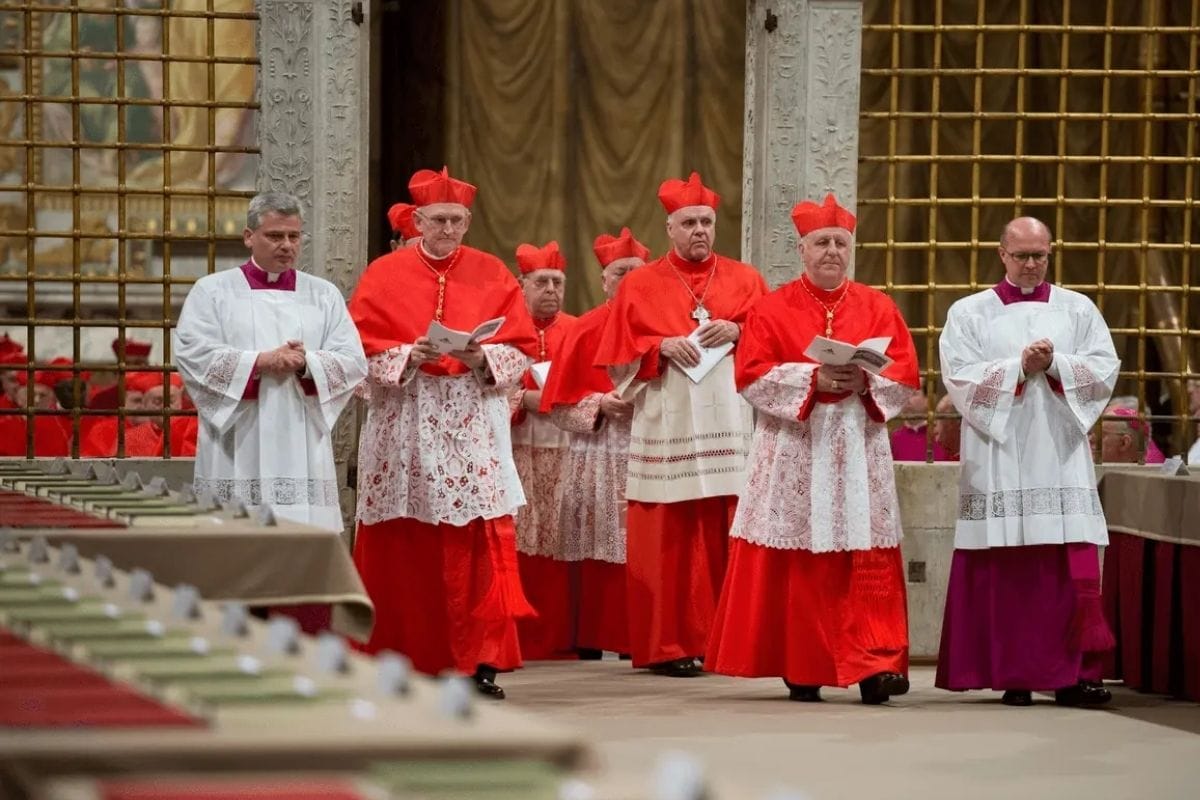
A conclave is the sealed assembly of cardinals that elects a new pope. It takes place in the Sistine Chapel, admits only cardinals under the age of 80, requires a two-thirds majority, and binds every participant to lifelong secrecy.
For anyone asking how a pope is elected, the short answer is that eligible cardinal electors meet in complete isolation and vote repeatedly until one candidate receives the required two-thirds majority.
The most recent conclave ran on 7 and 8 May 2025 and elected Cardinal Robert Francis Prevost, who took the name Leo XIV.
Where The Lock Came From
Between 1268 and 1271, the cardinals meeting at Viterbo failed to agree on a pope for nearly three years. It remains the longest papal vacancy in history.
Local authorities lost patience. They locked the cardinals inside the palace, then restricted their food, then reportedly stripped the roof off the building to expose them to the weather. A pope was elected shortly afterwards.
Gregory X, the pope that election produced, formalised the method in 1274 with the decree Ubi Periculum: cardinals would be enclosed, isolated from outside contact, and subjected to progressively reduced rations the longer they took. The rations provision has gone. The enclosure and the isolation have not.
How a Modern Conclave Is Governed

The rules come from Universi Dominici Gregis, an apostolic constitution issued by John Paul II in 1996 and amended by Benedict XVI and Francis. It covers everything from the two-thirds threshold to the penalties for breaking the oath of secrecy, and it has been updated to account for modern technology, which is why the Sistine Chapel is now swept for surveillance equipment and shielded against signal transmission before voting begins.
The core rules:
- Only cardinals under 80 on the day the vacancy begins may vote. Paul VI set that limit in 1970.
- A two-thirds majority is required. No shortcuts, no simple-majority fallback in the current rules.
- Total isolation. No phones, no newspapers, no contact with the outside world.
- Lifelong secrecy, under penalty of automatic excommunication.
- Ballots are burned after each round, producing the smoke signal.
What Is a Cardinal?
What is a cardinal? A cardinal is a senior member of the Catholic Church who is appointed by the pope. Cardinals advise the pope, hold important positions within the Vatican or dioceses around the world, and, if they are under the age of 80 when a papal vacancy begins, are eligible to take part in the conclave and vote for the next pope.
While cardinals usually play a central role in Church leadership, being a cardinal is not technically a requirement for becoming pope. In principle, any baptised Catholic man can be elected, although every pope since 1378 has been chosen from the College of Cardinals.
The Smoke
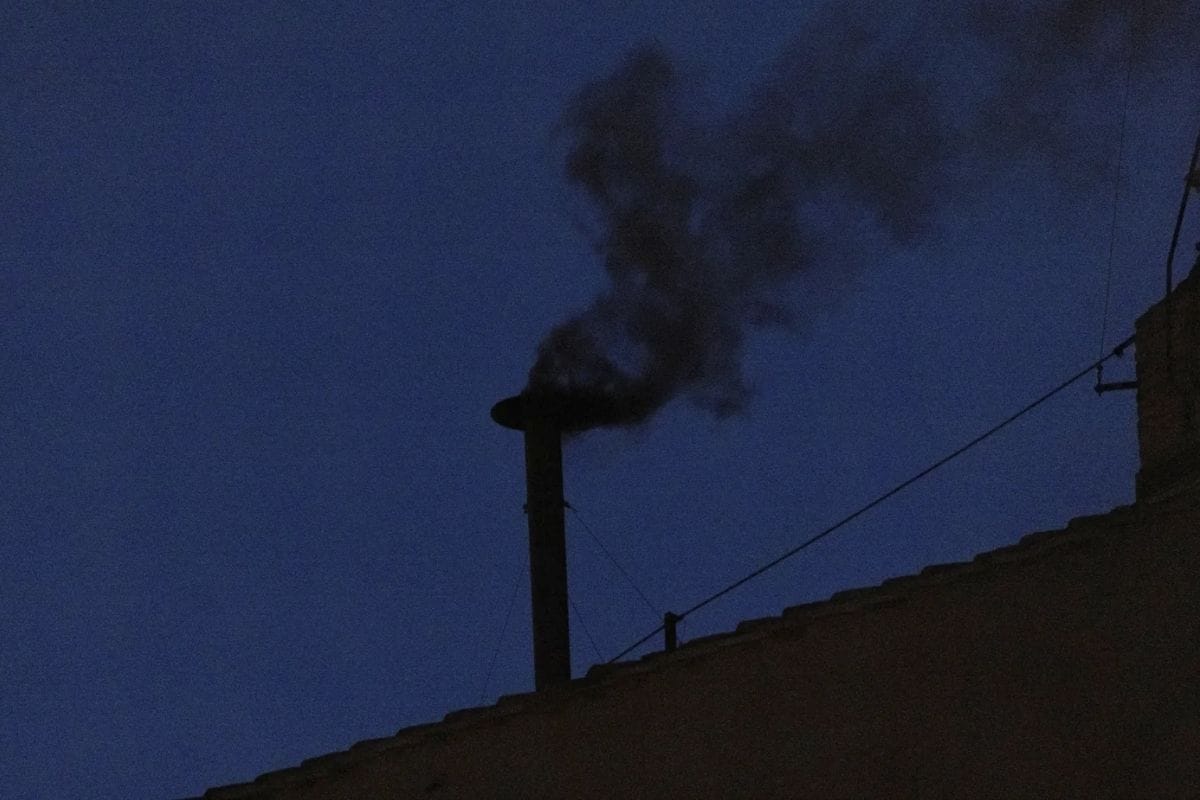
Black smoke means no result. White smoke means a pope has been elected.
The colour used to be produced by burning the ballots with damp straw for black and dry straw for white, a method that generated genuine confusion on several occasions when the smoke came out grey. The Vatican now uses chemical cartridges to produce a reliable colour, and since 2005 the white smoke has been accompanied by the bells of St Peter’s ringing, which removes any remaining ambiguity.
What Happened In 2025
Francis died on 21 April 2025. The conclave opened sixteen days later.
It was the largest in history. Of 135 eligible cardinal electors, 133 attended, with two absent through illness. That total broke the ceiling of 120 electors that Paul VI had set in 1970, the first time the limit had been exceeded, and it created a logistics problem: the Casa Santa Marta guesthouse, purpose-built for conclaves, has around 129 rooms.
Voting began on 7 May. On the fourth ballot, on 8 May, the cardinals elected Robert Francis Prevost, prefect of the Dicastery for Bishops, who had been made a cardinal by Francis only two years earlier. He became the first American and the first Augustinian pope.
Four ballots is fast by historical standards, though not unusually so by modern ones. Recent conclaves have tended to conclude within two or three days.
Who Runs It
Several roles matter during a vacancy:
- The Camerlengo administers the Holy See between popes. Cardinal Kevin Farrell held the role in 2025.
- The Dean of the College of Cardinals presides, unless he is over 80 and therefore ineligible, as was the case in both 2013 and 2025.
- The Protodeacon announces the result from the balcony of St Peter’s with the words Habemus Papam, we have a pope.
Before the doors close, the master of papal liturgical celebrations calls extra omnes, everyone out, and all non-electors leave.
What the Pope Does
Understanding what the pope does also helps explain why the conclave attracts global attention. The pope is the Bishop of Rome and the spiritual leader of the worldwide Catholic Church. He provides religious leadership, appoints bishops and cardinals, oversees the Vatican’s central administration, represents the Holy See in international affairs and serves as a major voice on religious, humanitarian and social issues.
The responsibilities of the pope extend across a global Church with more than a billion Catholics, making the selection of a new pontiff one of the most significant events in the Catholic world.
Frequently Asked Questions
What does conclave mean?
It comes from the Latin cum clave, with a key, referring to the cardinals being locked in.
Who can vote in a conclave?
Cardinals under the age of 80 at the start of the vacancy. In 2025, there were 135 eligible and 133 attended.
How long does a conclave last?
Modern conclaves usually conclude within two to three days. The 2025 conclave took four ballots across two days. The longest in history ran nearly three years, from 1268 to 1271.
What does the smoke mean?
Black smoke means no candidate reached two-thirds. White smoke, now accompanied by bells, means a pope has been elected.
Where does a conclave take place?
The Sistine Chapel, inside the Apostolic Palace.
Can a non-cardinal be elected pope?
In principle, any baptised Catholic man is eligible, but every pope since 1378 has been drawn from the College of Cardinals.
The Bottom Line
A conclave is the Church’s answer to a problem it solved in 1274 by locking people in a room and taking their food away. The modern version keeps the isolation and the two-thirds threshold, drops the starvation, and adds electronic sweeps of the Sistine Chapel. It has produced a decision within days at every conclave for over a century.
Sources
John Paul II, Universi Dominici Gregis, 1996, as amended; Gregory X, Ubi Periculum, 1274; Holy See press office; Associated Press, Catholic News Service and OSV News reporting on the 2025 conclave; Encyclopaedia Britannica.