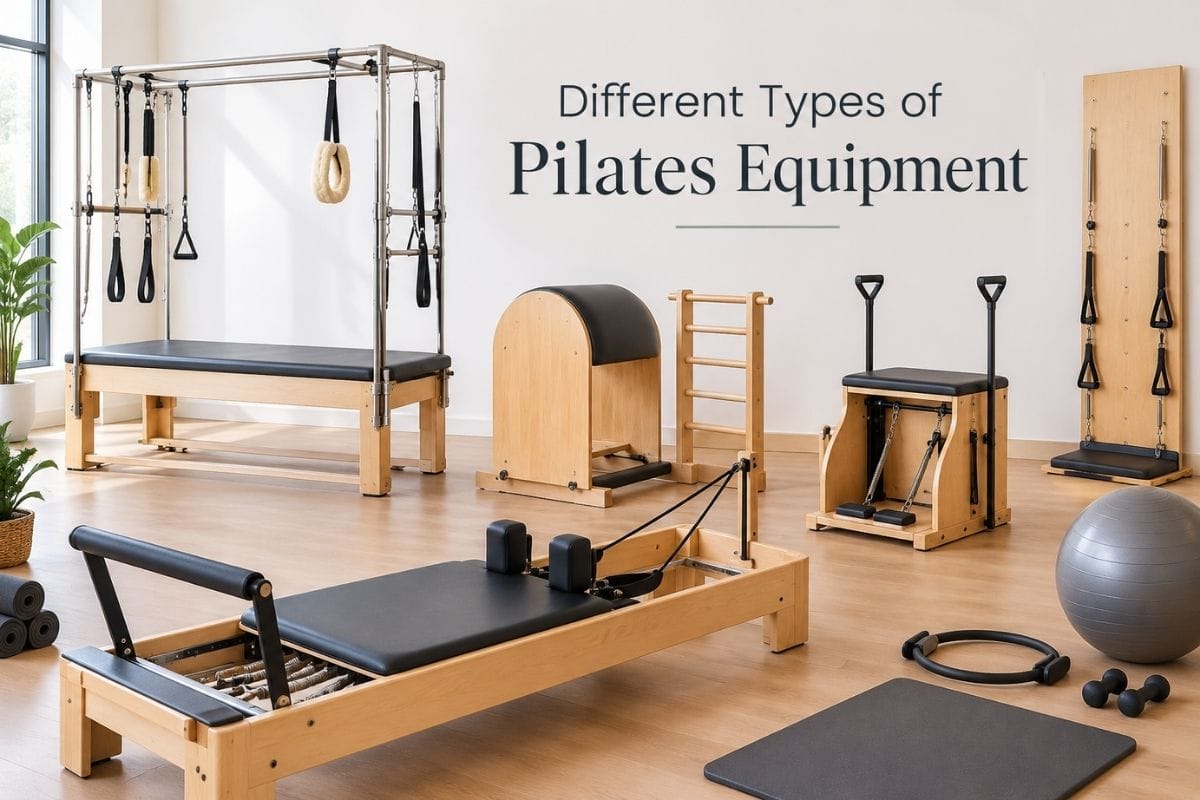
Quick Answer: Pilates gear splits into two families: large spring-loaded apparatus such as the Reformer, Cadillac, Chair, Tower, and Barrels, plus small props like mats, rings, bands, rollers, and balls. Each piece either supports a movement or makes it harder, so anybody can train safely.
Walk into a studio, and the machines look like antique contraptions. They aren’t. Every piece of Pilates equipment has one job: helping you move with more control. Data from the Sports & Fitness Industry Association shows U.S. participation has climbed from 9.2 million to roughly 12.9 million people since 2019.
- Large apparatus use springs that assist and resist at the same time.
- Small props are cheap, portable, and ideal for home use.
- The equipment mimics real-life pushing, pulling, and gripping.
- One machine suits a beginner, an athlete, or a rehab client.
- You only need a mat to start.
Where This Gear Came From
Joseph Pilates, a German boxer and circus performer, was interned on the Isle of Man during World War I. There he rigged springs to hospital bed frames so bedridden men could exercise lying down. That idea became the Reformer.
He moved to New York in 1926 and built the Cadillac and Wunda Chair. Pilates Anytime makes a good point: the Mat exercises came first, and the apparatus was built to prepare you for them.
Types of Pilates Equipment at a Glance
| Equipment | Type | Main purpose | Best for |
| Pilates mat | Essential | Cushioning | Mat work |
| Magic Circle | Small prop | Squeeze resistance | Arms, legs, core |
| Resistance band | Small prop | Adjustable resistance | Strength |
| Foam roller | Small prop | Release | Recovery |
| Stability ball | Small prop | Instability | Full-body work |
| Over ball | Small prop | Activation | Pelvic stability |
| Spine corrector | Small apparatus | Gentle curve | Beginners |
| Reformer | Large apparatus | Spring resistance | Everything |
| Cadillac | Large apparatus | Support | Rehab, advanced work |
| Tower | Large apparatus | Vertical springs | Posture |
| Wunda Chair | Large apparatus | Strength | Balance |
| Ladder Barrel | Large apparatus | Extension | Flexibility |
Small Props You Can Use at Home
Pilates Mat

A Pilates mat is thicker, often longer, and slicker than a yoga mat. The padding matters, since so much work happens on your back, stomach, or rolling through the spine. A head cushion helps neck alignment.
Magic Circle (Pilates Ring)

This lightweight ring, invented by Joseph Pilates, gives resistance when you squeeze it between your hands, ankles, or knees. Use it during dead bugs, hip extensions, or push-ups. It sharpens feedback and wakes the inner thighs.
Resistance Band

Bands come in light, medium, and heavy tension. Loop one around your feet for footwork or hold it overhead for arm work. You get more strength, better feedback, and more variety in mat classes.
Foam Roller
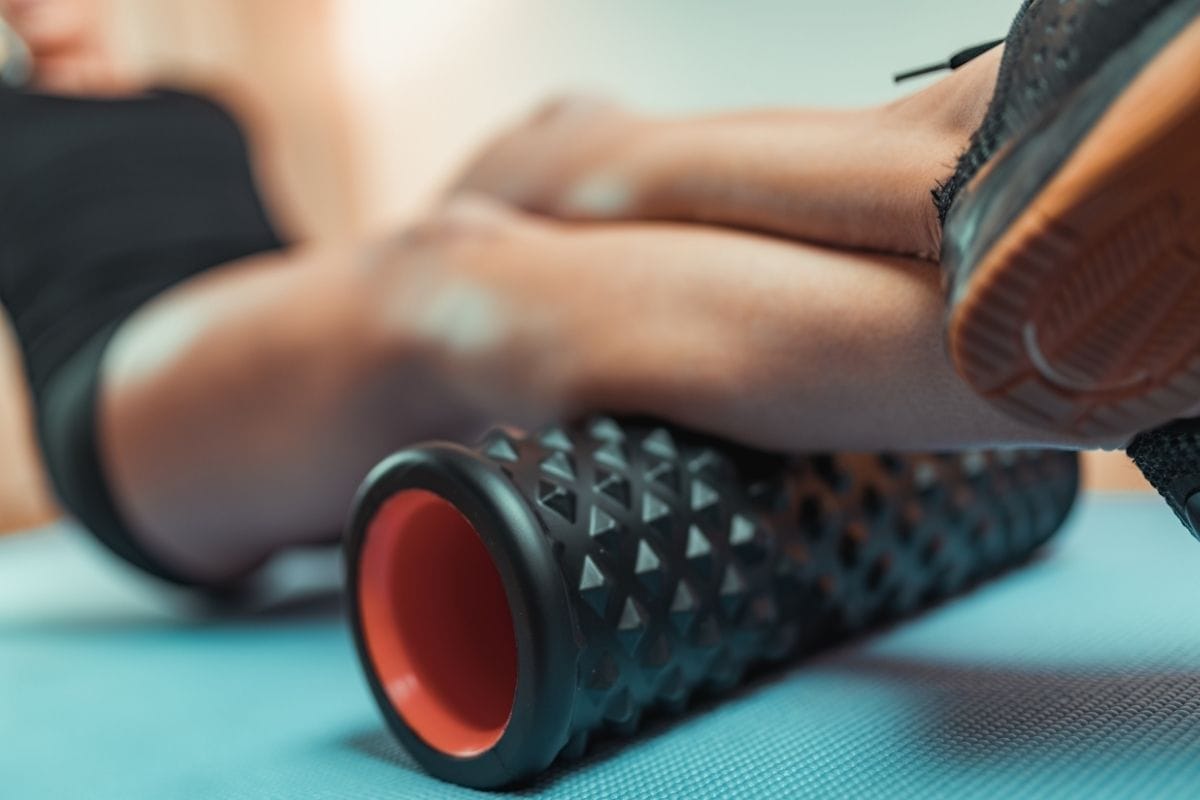
A foam roller is a cylinder that does double duty. Lie on it to self-massage a tight back or sore shoulder, which aids recovery. Balance on it during abs work, and a stable surface turns unstable.
Also Read – Is Tonic Water Good for Health?
Stability Ball
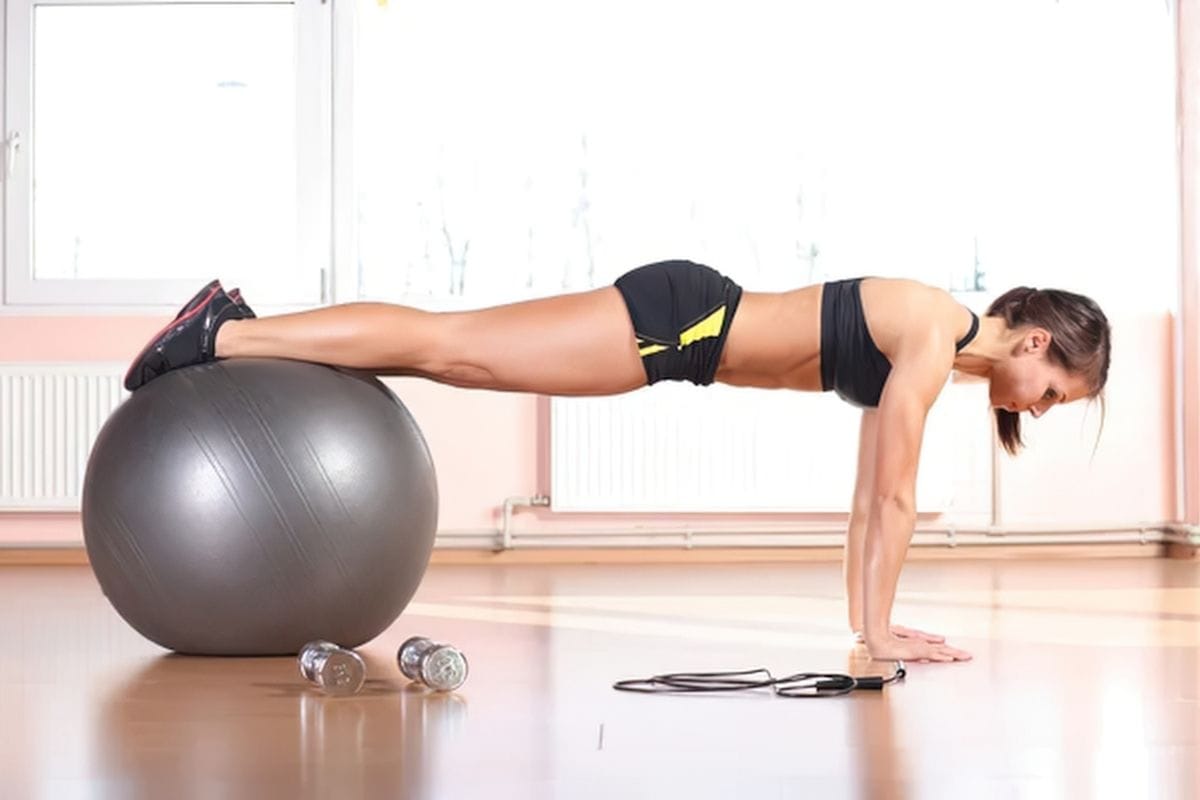
Also called a Swiss or gym ball, it adds instability in every direction. Try hamstring curls, hip thrusts, or reverse abs. Benefits include stronger muscle activation, better balance, and supported options in pregnancy.
Over Ball
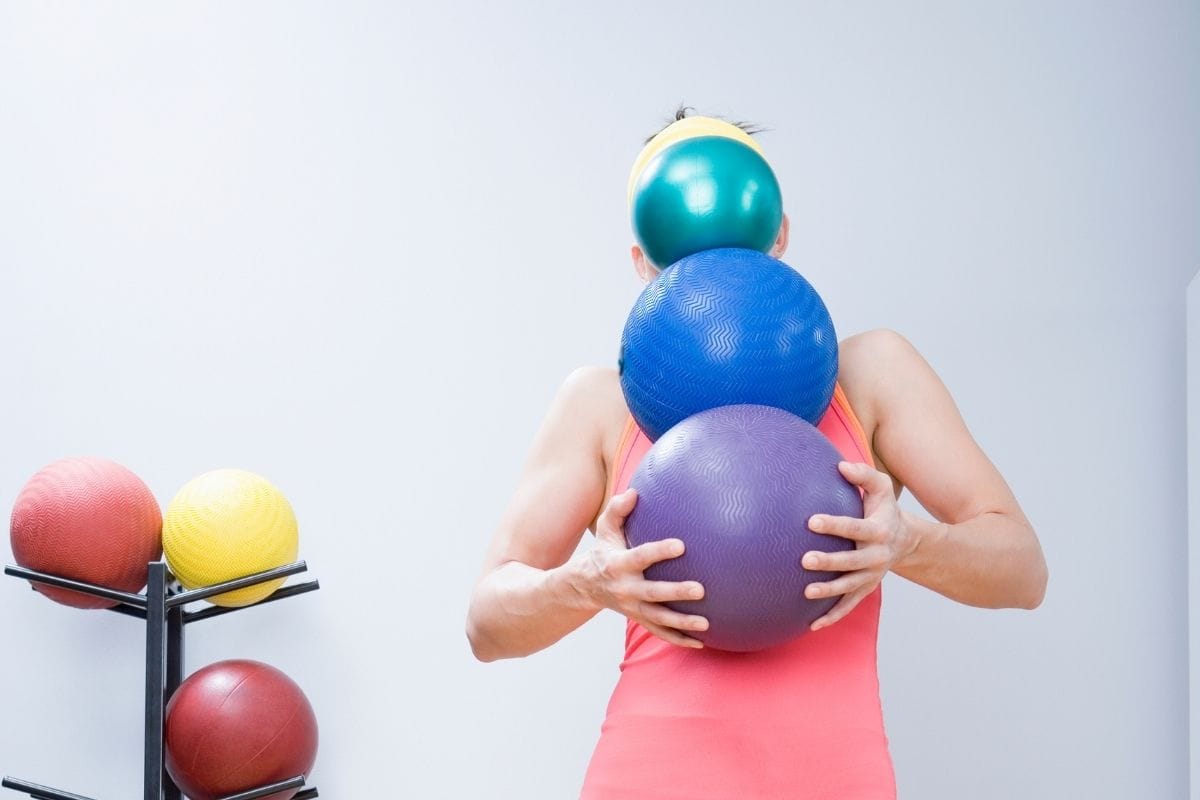
The soft over ball can be partly or fully inflated. Place it behind the pelvis for a seated rollback, or between the knees for pelvic floor work. It cues alignment and eases neck tension.
Spine Corrector
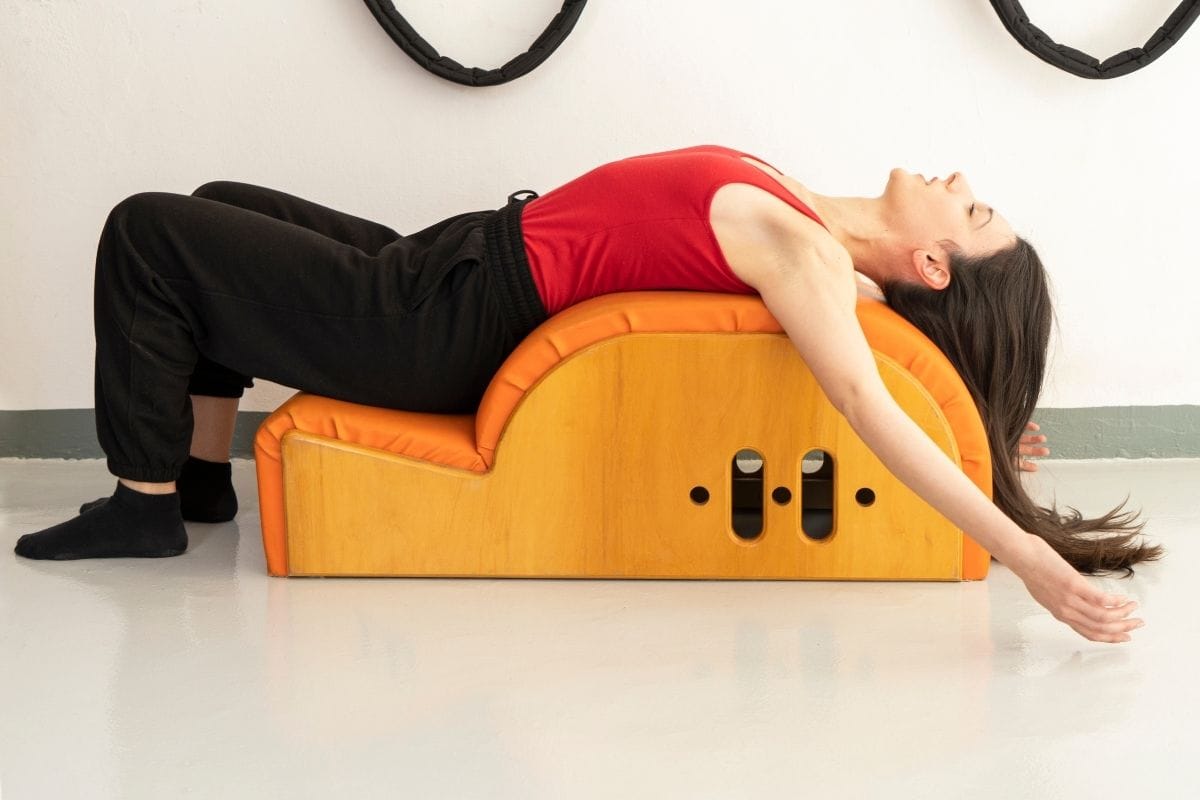
The spine corrector has a gentler curve than a barrel, so the range is smaller and safer. Complete Pilates instructor Amber Needham sums up the wider point: “The brilliance of the Pilates equipment is that it offers endless possibilities.”
“This means there is always an appropriate option to strengthen safely, no matter the injury, structural changes such as scoliosis, or extra aid for the older adult, or for example, someone with Parkinson’s disease. The use of equipment helps to tailor the programme to the client’s needs and achieve results.”
Large Pilates Apparatus
Reformer

The reformer is a frame with a sliding padded carriage, a footbar, shoulder blocks and rope handles on pulleys. Springs set the load. You can work lying down, seated, kneeling or standing. It mobilises the spine, builds strength and cleans up technique.
Cadillac (Trapeze Table)

Picture a canopy bed in steel, hung with a push-through bar, leg and arm springs, a roll-down bar and a trapeze bar. The high, wide table is easy to climb onto, so it suits rehab, stretching and advanced acrobatic work.
Tower (Wall Unit)
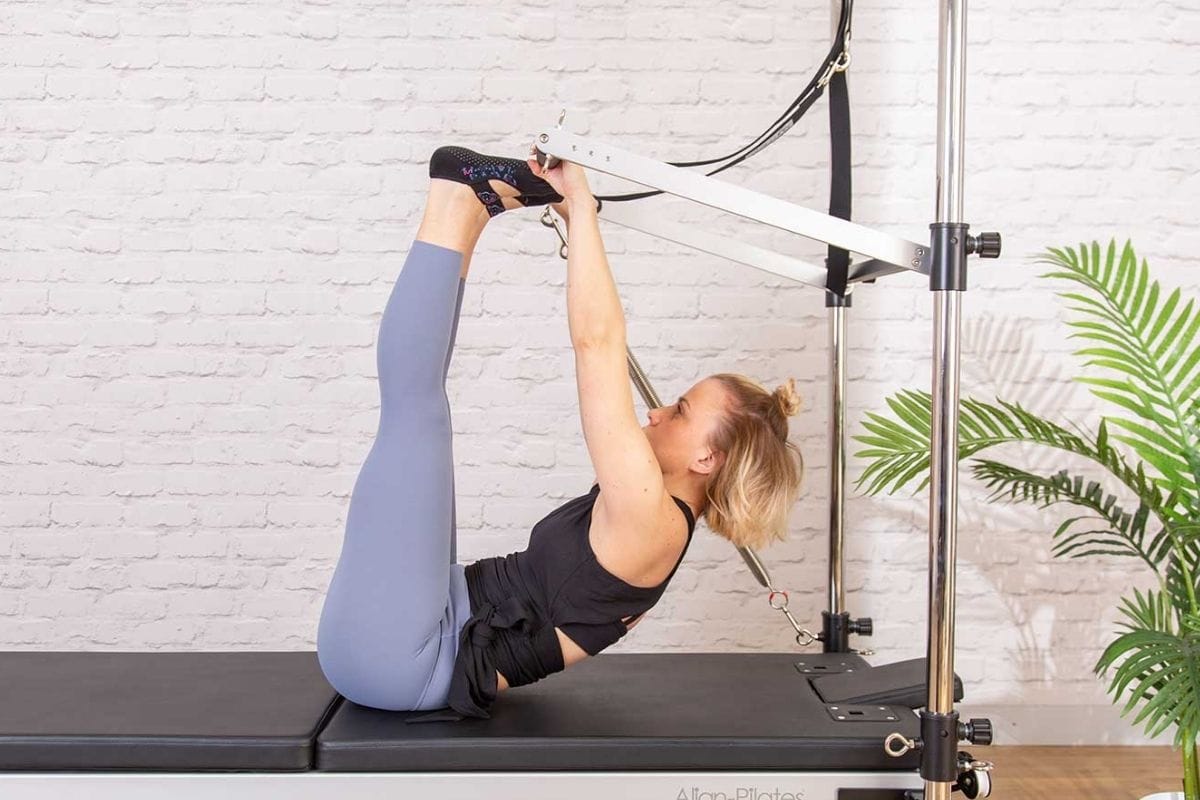
The Tower borrows the Cadillac’s springs and bars in a space-saving frame. Expect deep core work, supported stretches, and spinal decompression. It fits smaller rooms, so group classes have boomed.
Wunda Chair

A compact padded box with a spring-loaded pedal. Push it while seated, standing, or lying across the seat. Phitosophy rates the chair as the best machine for home use based on size alone. It builds leg strength, foot control, and balance.
Also Read – What Medical Conditions Qualify for Ill Health Retirement?
High Chair and Baby Chair

The High Chair, or Electric Chair, adds a tall back and handles for guided upright work. The Baby Chair, or Arm Chair, swaps the pedal for shoulder-height springs and a moving backrest. Both are suitable for posture work and beginners.
Ladder Barrel

A padded half-barrel joined to a wooden ladder, reportedly inspired by a beer keg. Stretch over the curve for spine extension, hook your feet on the rungs for hamstrings, or balance for oblique work.
Guillotine and Ped-O-Pull

Two rare classics. The Guillotine is a tower-like frame over a mat, ideal for spinal articulation. The Ped-O-Pull is a spring-loaded T-pole that trains posture while you stand.
Why Equipment Beats Mat Work Alone
Springs scale exercise in both directions. A ball behind the pelvis takes load off your hip flexors. A moving carriage turns a plank into a stability test. Grips, footplates, and pedals copy how you push and pull all day, so the strength transfers. Gear also gives external cues, which many people follow more easily than “imagine your spine lengthening.”
Also Read – Facts Everyone Should Know About Vitamin B Health Benefits
How to Choose Your Setup
Match the gear to the goal. Olaben’s buying checklist covers the essentials: goal, floor space, budget, materials, adjustability, and safety certification. Beginners do fine with a mat, a band, an overball, and a ring. Add a foam roller and light dumbbells later. A folding reformer solves small apartments. Studios run two to four Reformers, a Cadillac, a Ladder Barrel, and a few Chairs.
FAQs
- What equipment do I need to start Pilates at home?
Ans: A thick Pilates mat is the only must-have. A resistance band, an over ball, and a Magic Circle cover almost every beginner exercise for under $50.
- What is the most popular piece of Pilates equipment?
Ans: The Reformer. It handles nearly every exercise the other machines do, which is why most studios build their class schedule around it.
- Is a Pilates mat different from a yoga mat?
Ans: Yes. Pilates mats are thicker and often longer, because you spend more time lying on your spine and rolling through it.
- Which Pilates machine is best for a small apartment?
Ans: The Wunda Chair or a folding reformer. Both fold or tuck away, yet still give you spring resistance for full-body work.
- Is Pilates equipment safe after an injury?
Ans: Springs can assist your movement, so exercises feel lighter than mat work. Still, train with a qualified instructor who knows your diagnosis. - How often should I use Pilates equipment?
Ans: Two to three sessions a week is enough for most people to see better posture, core strength, and mobility within about eight weeks.
Sources & References:
- Complete Pilates – The brilliance of the Pilates equipment is that it offers endless possibilities.
- Philosophy – The Wunda chair is the best machine for home use based on size alone.
- Pilates Anytime – The mat exercises came first, and the apparatus was built to prepare you for them.
- Olaben – To buy Pilates equipment, consider your goal, floor space, budget, materials, adjustability, and safety certification.