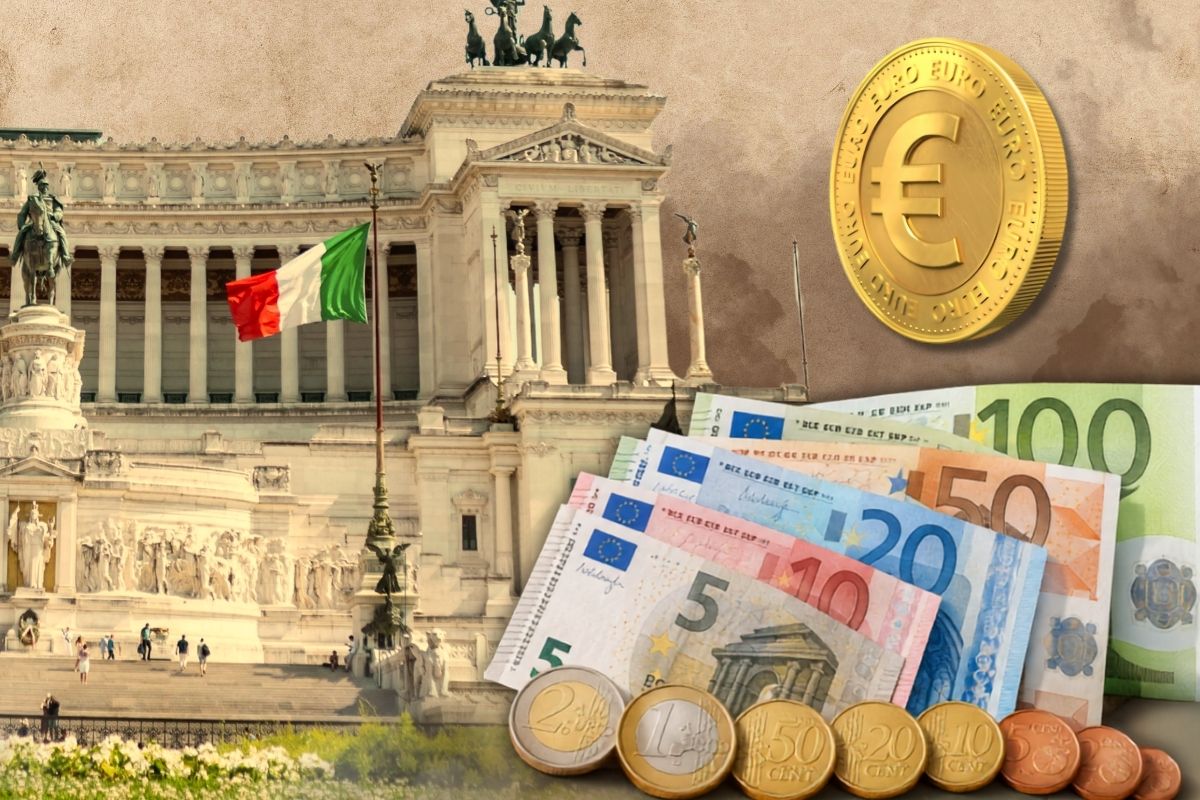
Planning a trip to Italy or need to sort out some business stuff there? Okay, so first thing – what currency does Italy use? It’s the Euro, no surprises there. You’ll see the € symbol on literally everything. Sometimes you’ll spot EUR on your bank statements or receipts too. Italy ditched the Lira and went full Euro back in 2002, pretty early on, actually. So whether you’re grabbing an espresso in Florence or hunting for souvenirs in Venice, you’re gonna be dealing with Euros. This whole guide breaks down what you actually need to know about what currency does Italy use – what the actual cash looks like, where to grab it without getting ripped off, and basically how to make sure you’ve got enough money without panicking.
- Italy uses the Euro (€, EUR) as its only legal tender since 1 January 2002
- The Italian Lira got phased out after 2002, and you can’t use it anymore
- You’ll find euro banknotes in €5, €10, €20, €50, €100, and €200 denominations
- Coins come in 1 cent, 2 cent, 5 cent, 10 cent, 20 cent, 50 cent, €1, and €2 sizes
- The Bank of Italy handles all the euro operations and currency stuff
- Visa and Mastercard work in most places, but cash is still king for smaller shops
- As of June 2026, you’re looking at roughly €0.86 for every US dollar
What Is The Italian Currency
Italy’s currency is the Euro, shared by 19 of the 27 EU member states. Before 2002? That was all about the Italian Lira. The Lira had been around since 1861 and was deeply woven into Italian culture and commerce. Then the Eurozone happened, and everything shifted. The transition wasn’t chaotic, though. There was actually a period where you could spend both currencies at the same time. Pretty neat considering how massive a change that was.
Here’s the thing: the Euro is Italy’s only official currency now. Nothing else cuts it. Sure, you can exchange dollars or pounds at specialist places in Rome or Milan, but you can’t walk into a restaurant and hand them US currency. It just won’t work. You need Euros.
What Do Euro Notes and Coins Actually Look Like?
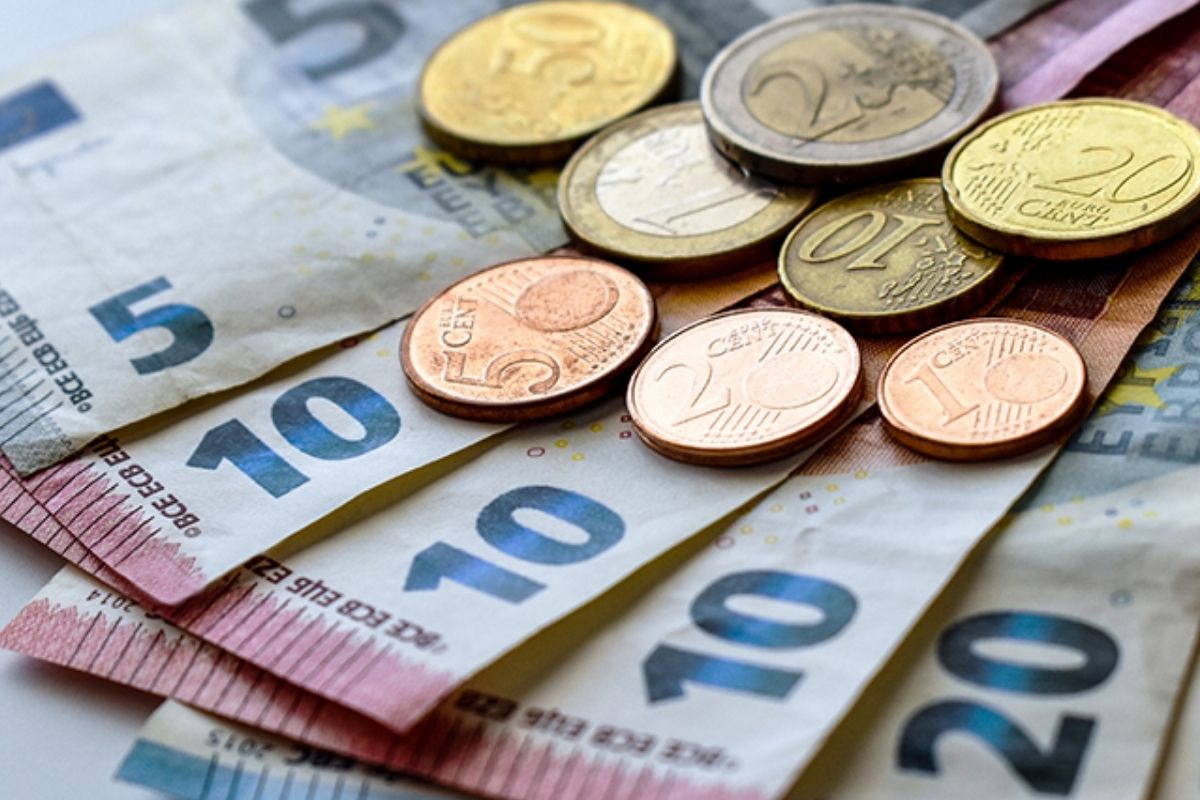
Let’s talk about the actual money you’ll be holding. Banknotes come in six different denominations: €5, €10, €20, €50, €100, and €200. They’re colourful and honestly pretty cool looking. Each one features different architectural styles from across Europe – you’ve got everything from ancient to modern designs. Here’s something interesting: €500 notes haven’t been printed since April 2019. If you stumble across one somehow, it’s still legal tender, but they’re rare these days.
Coins are a bit different. You’ve got your small change: 1 cent, 2 cents, and 5-cent pieces. Then 10-cent, 20-cent, and 50-cent coins. The €1 and €2 coins finish the collection. Italian coins have their own unique designs, and if you’re into that sort of thing, the Vitruvian Man – that famous Leonardo da Vinci drawing – appears on some of them. Collectors go mad for these.
Real talk: when you’re in Italy, carry a mix of denominations. Smaller shops and rural places won’t always have change for a €100 note. Keep some €20 and €50 notes in your wallet. Makes life easier.
Euro Denominations
| Type | Denominations |
| Banknotes | €5, €10, €20, €50, €100, €200 |
| Coins | 1c, 2c, 5c, 10c, 20c, 50c, €1, €2 |
Actually Getting Your Hands on Euros
You’ve landed in Italy, and you’re out of euros. What now? Good news – you’ve got options, and they’re all pretty straightforward.
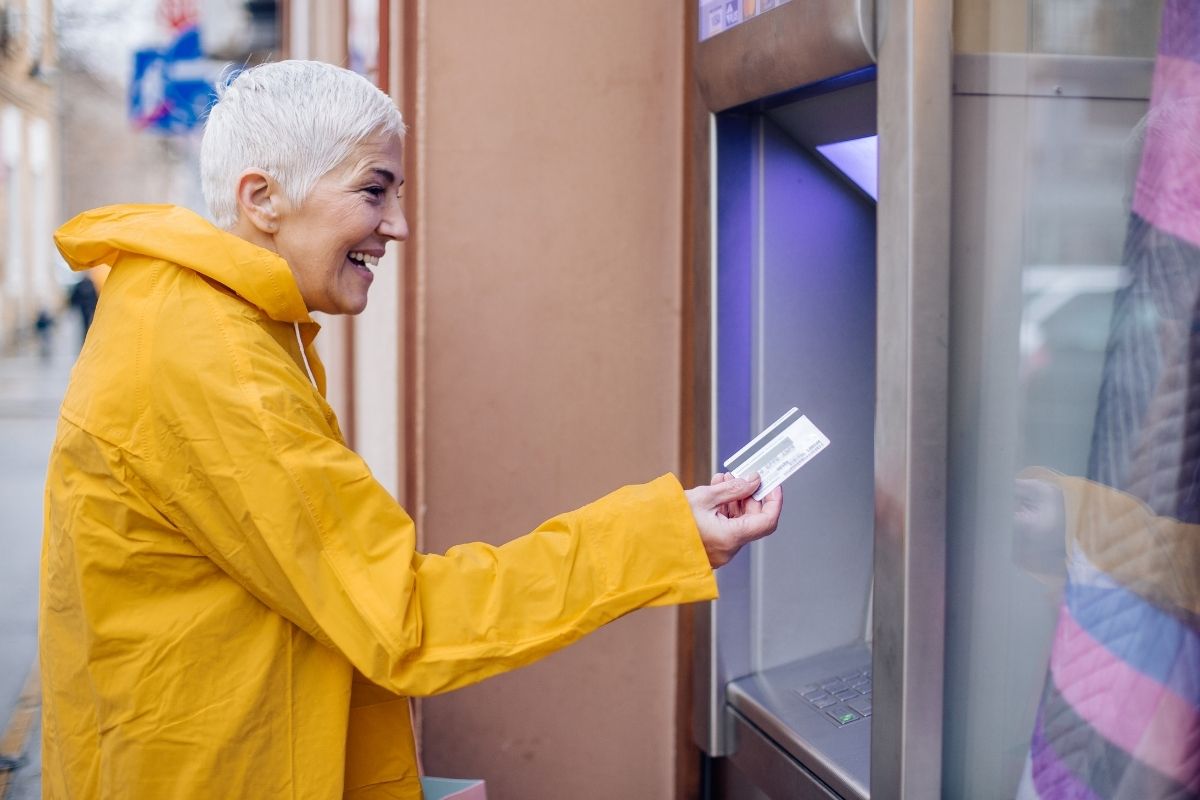
ATMs are your best bet. Seriously. They’re called “bancomats” in Italy, and you’ll find them everywhere – train stations, city centres, airports, shopping areas. Just use your debit card and withdraw what you need. Your bank back home might charge a small fee, but you’ll get better exchange rates than swapping cash at an airport counter. That’s just facts.
Banks work too if you prefer a human interaction. They’re usually open 9 AM to 1 PM and then 3 PM to 5 PM on weekdays. Bring your passport or ID card when you go in. Just don’t expect Sunday hours – most Italian banks don’t do weekends.
Currency exchange shops are scattered around tourist hotspots. They’re quick, but honestly? The rates aren’t as good as ATMs. It’s the trade-off for getting your money instantly.
If you’re staying longer or moving around a lot, travel cards from companies offering multi-currency accounts can be smart. You lock in your exchange rate beforehand, no surprises later.
Exchange Method Fee Comparison
| Method | Typical Fee | Exchange Rate Quality | Speed |
| ATM (Bancomat) | Flat fee or 1 to 3 per cent from your home bank | Usually closest to the real interbank rate | Instant |
| Bank Branch | Often no direct fee, but the rate itself has a margin built in | Fair, though not as sharp as ATMs | 10 to 20 minutes, banking hours only |
| Currency Exchange Kiosk | Commission plus a wide margin, can total 5 to 10 per cent | Weakest rates, worst at airports and stations | Instant |
How You’ll Actually Pay for Things
Cards work in most places nowadays. Visa and Mastercard? Accepted nearly everywhere, especially in bigger cities and touristy areas. Restaurants, shops, hotels – they all take them. But here’s what nobody tells you: smaller neighbourhood joints, family-run businesses, and rural spots sometimes still prefer cash. Some places even claim their card machines are broken. Having €50-100 in cash on you isn’t paranoid – it’s practical.
Mobile payments are catching on fast. Apple Pay, Google Pay – they work in most modern places, particularly in Milan and Rome. It’s convenient, it’s secure, and increasingly it’s how Italians themselves are paying.
Don’t sleep on cash, though. You need it for tips (though tipping isn’t obligatory), small purchases, and honestly just feeling a bit more in control when you’re somewhere new.
How Italy Got the Euro: The Lira Story
Before the euro came along, Italy had the Lira. The whole thing started way back in 1807 when the Lira was basically equivalent to the French franc. Then, when Italy unified as a country in 1861, the Lira became the official national currency. For 141 years, it was the backbone of Italian commerce. Sounds like it’d last forever, right? But then the European Union came together with this idea of a single currency to unify the continent.
The switchover happened in stages, which was actually clever. In 1999, Italy officially committed to the Euro. The fixed rate was set: 1 Euro would equal 1,936.27 Lire. Then, on 1 January 2002, actual coins and notes started circulating. You could spend either currency for a couple of months – banks took both. By 28 February 2002, it was all Euros. Banks kept exchanging Lire for years afterwards, but that eventually stopped around 2011-2012. Now, if you find old Lira sitting in a drawer? It’s worthless. Can’t exchange it anywhere.
FAQs
Can I just spend US dollars in Italy?
Nope. It doesn’t work like that. Italy only takes the Euros currency. You can exchange dollars at specialist places, but shopkeepers won’t accept them as payment. Convert before you go or use ATMs once you arrive.
What are the exchange rates doing right now?
They move every single day. Check your bank or a currency converter before you exchange anything to see the current rate. ATMs usually offer better rates than airport kiosks. Just something to keep in mind.
Is paying with cards safe here?
Completely safe. Contactless payments and mobile wallets are secure and increasingly popular in Italy. Banks protect you against fraud just like anywhere else.
Should I exchange money at home or wait till I’m in Italy?
Honestly? ATMs in Italy give you better rates, but there’s a small fee. If you exchange a big chunk at your bank back home, you’ll lose out on the rate. The smart move is to grab some euros before you leave, then top up at Italian ATMs as you go.
Do Italians expect tips?
Not really. Service is usually included in the bill. If you feel like leaving something for good service, 5-10% is fine. But it’s totally optional – no one’s going to judge you either way.
SOURCES AND REFERENCES
- Bank of Italy (Banca d’Italia) – Euro foreign exchange reference rates
- European Central Bank – Euro information and regulations
- Trading Economics – Italy currency data and economic indicators
- Monito – Currency guides and exchange rate information
- Exiap – Travel currency guides and payment methods
- Waves and Cobblestones – Italy travel currency guide