Quick Summary: It’s the Kangal. This Turkish guard dog clocks in at around 743 PSI, making it the hardest-biting dog breed on record — more than four times what a human jaw can manage (about 162 PSI, for comparison). Right behind it you’ve got the American Bandogge at 730 PSI, the Cane Corso at 700 PSI, the Dogue de Bordeaux at 556 PSI, and the English Mastiff at 552 PSI. Notice a pattern? Every dog on that shortlist is a big, muscular guardian breed, built over generations to protect something — sheep, property, people. That’s not a coincidence.
- PSI stands for pounds per square inch, and it’s just a way of measuring how hard a dog can clamp down.
- The Kangal’s 743 PSI bite is the strongest ever recorded for a dog breed.
- Guard and working breeds dominate this list because that’s literally what they were bred for.
- A powerful bite doesn’t equal an aggressive dog — plenty of these breeds are total couch potatoes at home.
- If there are kids in the house, it’s worth knowing which breeds hit hardest, since the damage from a bite scales with force.
What Dog Has the Strongest Bite Force?
Short Answer: The Kangal is widely considered the dog breed with the strongest recorded bite force, measuring around 743 PSI (pounds per square inch). However, bite strength is only one factor and does not determine a dog’s behaviour, temperament, or suitability as a pet.
Why Bite Force Matters
About 4.5 million people get bitten by dogs each year in the U.S., and kids get the worst of it more often than not — they’re smaller, they’re closer to a dog’s mouth, and they don’t always read warning signs the way an adult would. The severity of the injury usually tracks pretty closely with bite force. A small dog might leave you with a bruise and a bad afternoon. A dog with 500+ PSI behind its jaw can break bone, tear muscle, and cause nerve damage that sticks around long after the wound heals.
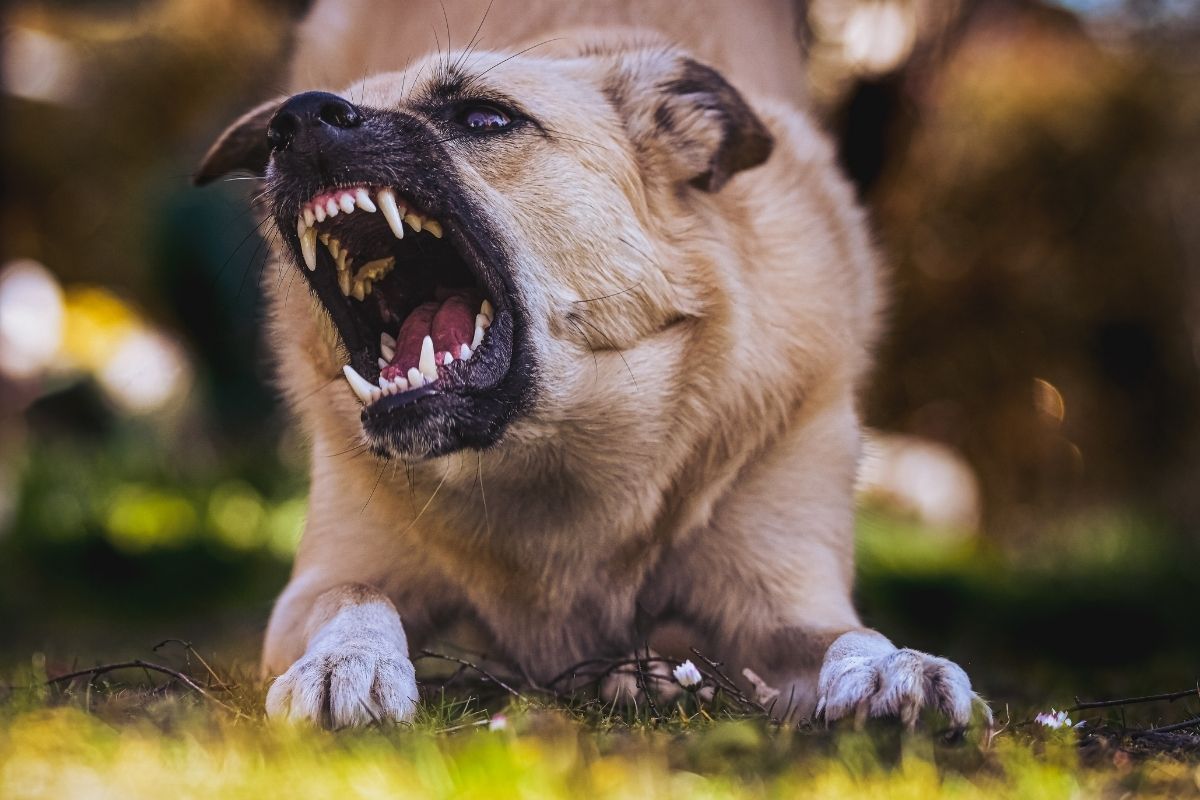
That said, PSI is only part of the picture. Skull shape, jaw muscle mass, even how a dog’s teeth are positioned — all of it plays into the actual force behind a bite. And honestly? How the dog was raised probably matters more than any of that. A Kangal raised with structure and patience is a very different animal than one that’s neglected or mistreated.
How Bite Force Is Measured
That 743 PSI number gets repeated everywhere, so here’s the quick version of what it actually means.
- PSI = pounds per square inch. It’s pressure, not just raw strength. A car tire runs about 32 PSI; a human bite is around 162 PSI.
- Most numbers are estimated, not measured live. Getting a dog to bite a sensor at full strength isn’t really practical or safe, so researchers usually calculate PSI from skull size and jaw muscle mass instead.
- Real bites can vary too. A nervous or excited dog won’t always bite at full force during a test, so results shift depending on the situation.
- That’s why sources disagree. One site says Kangal at 700, another says 743, another says 750. Different studies, different methods, different test dogs.
- Bottom line: treat these PSI figures as solid, useful comparisons between breeds — not exact lab readings for every individual dog.
Also Read: HMRC Admitted Overclassifying and Overtaxing Millions of State Pensioners Since 2010
Top 8 Dogs With the Strongest Bite Force
| Rank | Breed | Bite Force (PSI) | Known For |
| 1 | Kangal | ~743 | Guarding livestock against wolves |
| 2 | American Bandogge | ~730 | Guard dog, mastiff-bulldog mix |
| 3 | Cane Corso | ~700 | Property and personal protection |
| 4 | Dogue de Bordeaux | ~556 | Loyal family guardian |
| 5 | English Mastiff | ~552 | Gentle giant, historic war dog |
| 6 | Dogo Argentino | ~500 | Big-game hunting dog from Argentina |
| 7 | Wolfdog | ~406 | Wolf-dog mix, strong prey drive |
| 8 | Leonberger | ~399 | Large, gentle family companion |
Even the Leonberger, sitting at the bottom of this list, still bites more than twice as hard as the average human. Put any of these dogs next to us, and we’re not winning that contest.
1. Kangal (743 PSI)
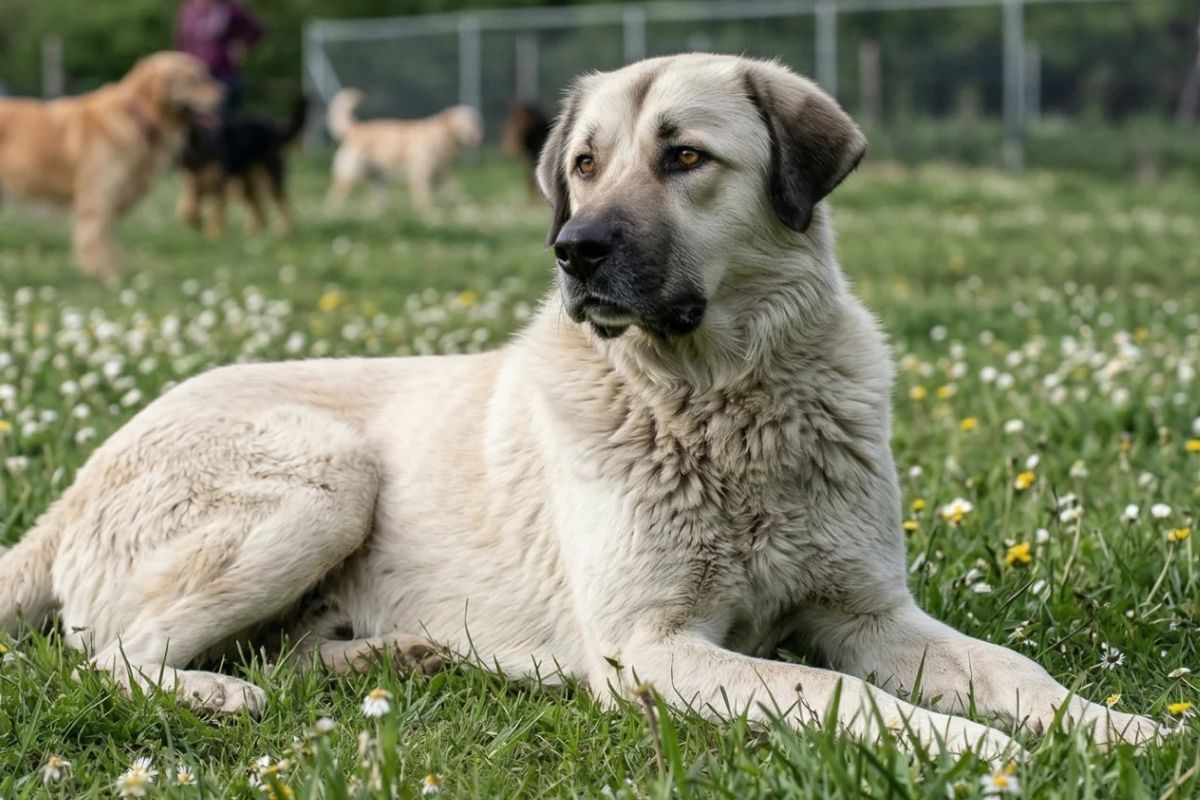
There’s really no debate here — if you ask around, the Kangal comes up as the strongest biter in the dog world, hands down.
- Bite Force: ~743 PSI
- Origin: Turkey
- Purpose: Livestock guardian
Turkish shepherds needed a dog tough enough to go head-to-head with wolves and bears out in open pasture, and that’s exactly what they got. Thick neck, heavy bones, jaw muscles built for crushing — this dog wasn’t designed to look pretty; it was designed to win fights.
Key Traits:
- Bite strong enough to break bone
- Territorial, protective, always alert
- Calmer than you’d expect once properly trained
Legal Insight: You’ll rarely run into a Kangal in the States, but when a bite from one does happen, it tends to be bad — which usually shows up in how a claim gets valued afterward.
2. American Bandogge (730 PSI)
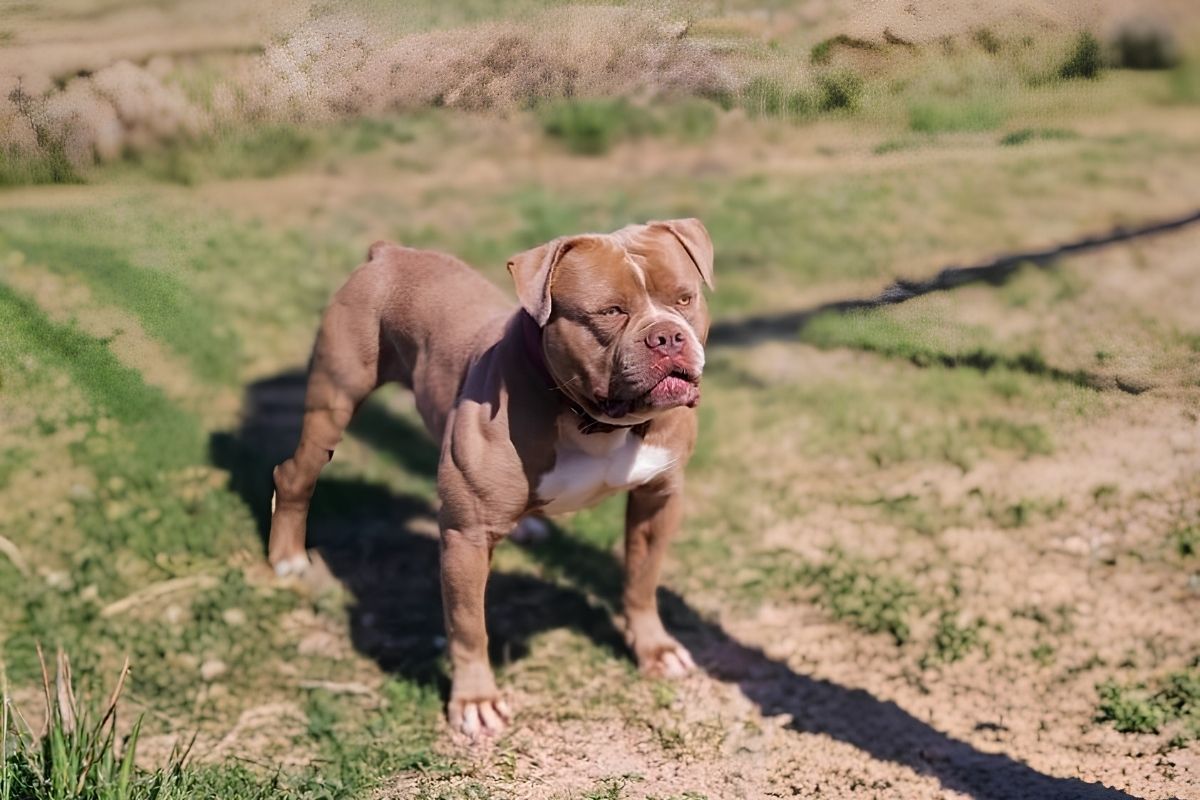
Here’s a fun fact: the Bandogge isn’t even a recognized purebred. It’s a mix — mastiff bloodlines crossed with bulldog-type breeds — built purely for guard work.
- Bite Force: ~730 PSI
- Type: Mastiff-bulldog cross
- Purpose: Guard dog
Breeders weren’t chasing a show-ring look with this one. They wanted a dog that could guard property and mean business if it had to, and the bite force reflects that priority.
Key Traits:
- Thick, powerful build
- Guarding instinct runs deep
- Not a breed for a first-time dog owner
Legal Insight: Since these dogs were bred for protection rather than family life, sloppy training or a careless owner can turn a bad situation into a much worse one, legally speaking.
3. Cane Corso (700 PSI)
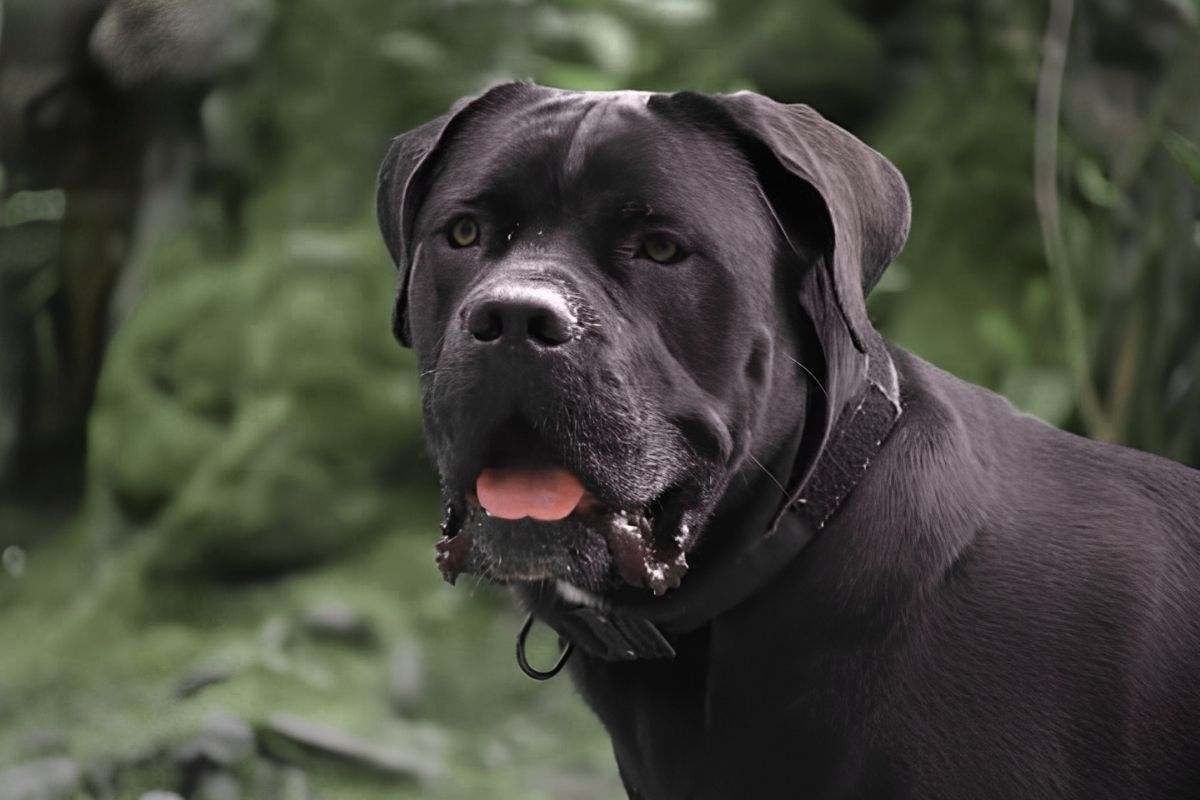
The “Italian Mastiff,” as it’s sometimes called, has spent centuries guarding farms and helping hunt.
- Bite Force: ~700 PSI
- Origin: Italy
- Purpose: Guarding and hunting
It’s smart — arguably one of the smartest breeds on this whole list — which actually makes it easier to train than most people expect. But smart and strong is a combination that needs a confident owner behind it.
Key Traits:
- Athletic and quick
- Picks up training fast
- Fiercely loyal to its people
Legal Insight: You’ll see far more Cane Corsos in American backyards than Kangals, so even though its bite isn’t the strongest on this list, it shows up in dog bite cases more often just because of how common the breed is.
Also Read – California Tsunami History
4. Dogue de Bordeaux (556 PSI)
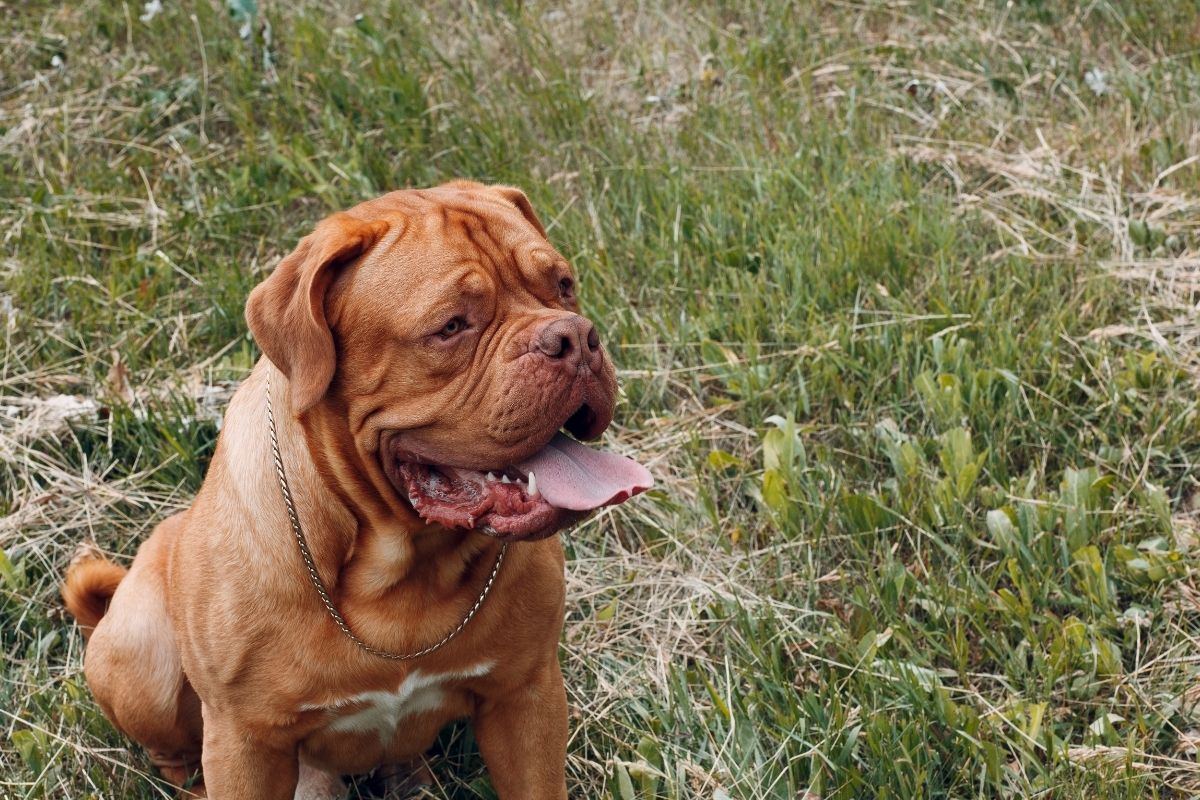
Also called the French Mastiff, and honestly, one look at its head tells you most of what you need to know.
- Bite Force: ~556 PSI
- Origin: France
- Purpose: Guarding and protection
That skull is massive relative to the rest of its body, and it’s packed with the jaw muscle that gives this breed its punch.
Key Traits:
- Oversized head, oversized jaw strength
- Fiercely loyal, protective of family
- Bites can cause serious, crushing damage
Legal Insight: A single bite here can leave permanent scarring, and courts tend to weigh that kind of lasting harm pretty heavily when it comes to compensation.
5. English Mastiff (552 PSI)
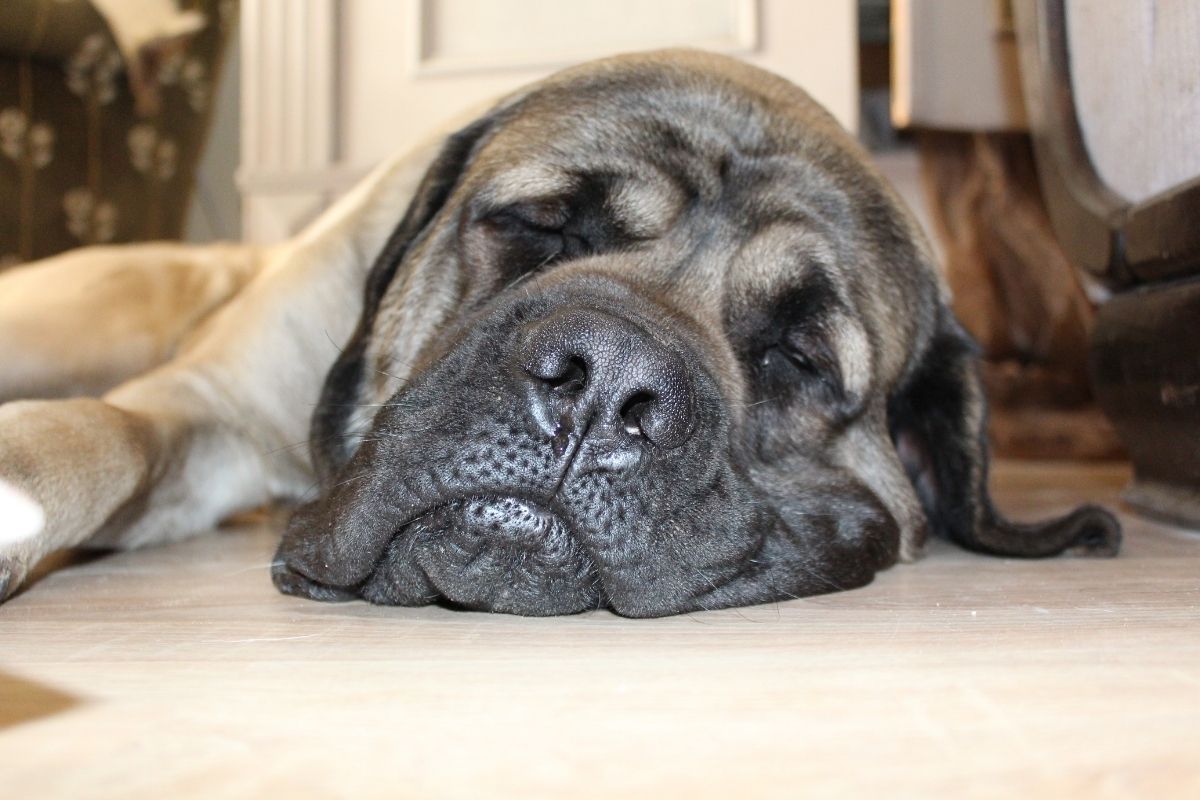
One of the biggest dog breeds alive, period — and its bite matches its scale.
- Bite Force: ~552 PSI
- Origin: England
- Purpose: Guarding, historically used in warfare
“Gentle giant” gets thrown around a lot with this breed, and it’s usually true. But a 150+ pound dog doesn’t need to be aggressive to cause real damage — sheer size does a lot of the work.
Key Traits:
- Often tips the scales past 150 pounds
- Calm temperament, protective streak
- Can hurt someone without meaning to
Legal Insight: Because these dogs are so heavy, a lot of Mastiff-related injuries actually come from being knocked over, not just the bite itself.
6. Dogo Argentino (500 PSI)
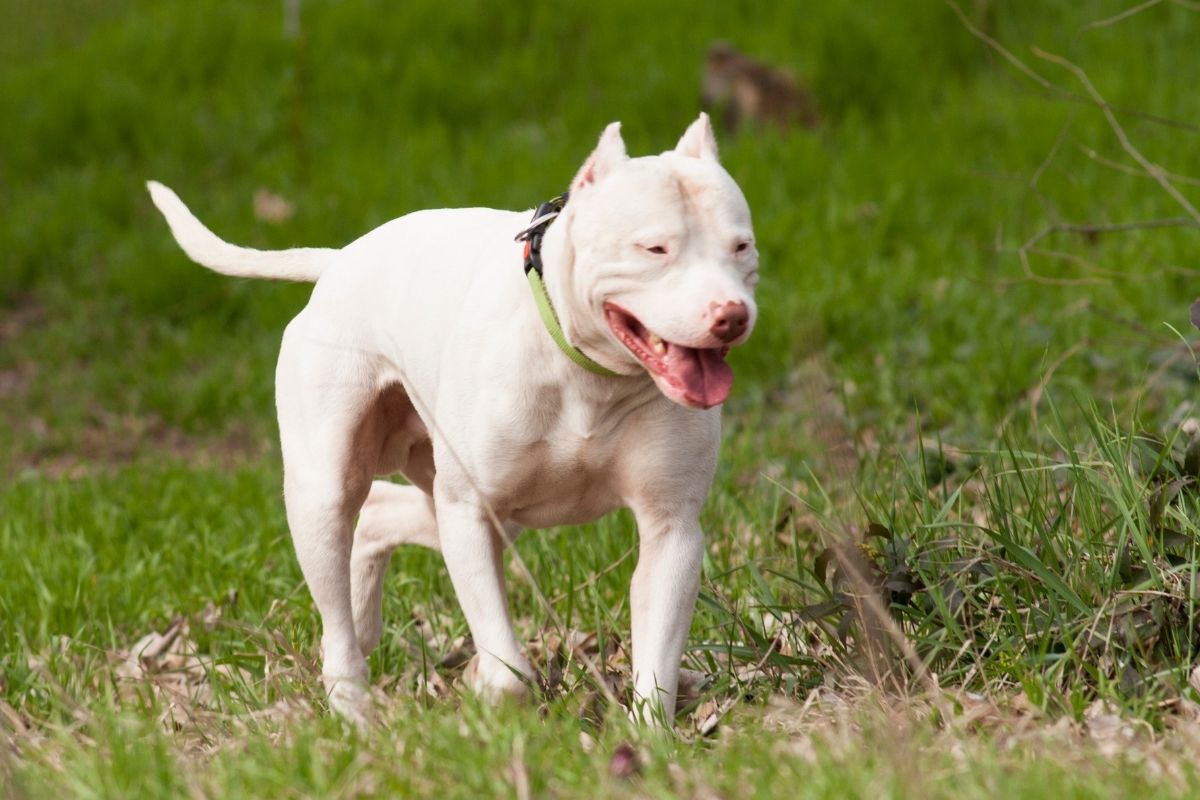
Bred in Argentina specifically to hunt wild boar, this breed needed a bite that could hold on to an animal that’s actively fighting back.
- Bite Force: ~500 PSI
- Origin: Argentina
- Purpose: Big-game hunting, guarding
High energy, athletic, always ready to move — this isn’t a couch dog. But raised right, with plenty of exercise and consistent training, it can be a genuinely affectionate family pet.
Key Traits:
- Muscular and built to move
- Needs a lot of exercise and structure
- Loyal when trained early
Legal Insight: Some places in the U.S. actually restrict or ban this breed outright, so an attack can pull local breed-specific laws into the situation too.
7. Wolfdog (406 PSI)

Part domestic dog, part wolf — and it shows in both temperament and strength.
- Bite Force: ~406 PSI
- Origin: Mixed wolf-dog lineage
- Purpose: Companion, working dog
That wild ancestry makes this one genuinely harder to predict than your average breed, which is exactly why ownership laws around Wolfdogs are all over the map depending on where you live.
Key Traits:
- Unpredictable prey drive
- Tougher to train than typical dogs
- Restricted or outright banned in some states
Legal Insight: Wolfdogs sit in a weird legal gray zone between pet and wild animal, so an attack can bring both standard dog-bite law and exotic-animal rules into play.
8. Leonberger (399 PSI)

Bred in Germany to resemble a lion, of all things — and somehow it ended up with a personality nothing like one.
- Bite Force: ~399 PSI
- Origin: Germany
- Purpose: Family companion, historically a working dog
For a dog this large, the Leonberger is remarkably patient. That’s exactly why families with young kids gravitate toward it.
Key Traits:
- Big, fluffy, hard to miss
- Patient and easygoing by nature
- Great with kids and older adults when raised well
Legal Insight: Bites from a breed this mellow are rare. When they do happen, though, the dog’s size alone can still turn a small incident into a serious injury.
Also Read – What Are Zentangle Patterns
Should I Choose a Dog Based on Bite Force?
No. A dog’s bite force should not be the main factor when choosing a pet. While bite strength can be an interesting measure of physical ability, it does not determine a dog’s personality, loyalty, intelligence, or suitability as a family companion.
When choosing a dog, consider factors such as temperament, energy level, size, exercise needs, trainability, living environment, and compatibility with your lifestyle. A well-trained and properly socialised dog of any breed can become a loving and reliable companion.
Conclusion
If there’s one thing to take away here, it’s this: PSI tells you what a dog can do, not what it will do. The Kangal, American Bandogge, Cane Corso, Dogue de Bordeaux, English Mastiff, Dogo Argentino, Wolfdog, and Leonberger all carry serious jaw strength, and yet most of them are calm, loyal dogs when they’re raised with any real effort. Still, knowing which breeds hit hardest isn’t a bad thing to keep in the back of your mind, especially with kids around. A little common sense — proper training, decent fencing, a leash in public — covers most of the risk. A dog that’s been raised well almost never turns that bite strength on the people it loves.
FAQs
1. Which dog breed has the strongest bite force in the world?
The Kangal, at roughly 743 PSI. Nothing else comes close.
2. Does a stronger bite automatically mean a more dangerous dog?
Not at all. Bite force just measures physical power a dog’s actual behavior comes down to training, upbringing, and environment.
3. How does a dog’s bite compare to a human’s?
Humans bite at around 162 PSI. The strongest dog breeds can hit four to five times that.
4. Do bigger dogs always have the strongest bites?
Mostly, yes — bigger skulls and more jaw muscle usually mean more force. But it’s not the whole story; what a breed was originally bred to do (guarding, hunting, and so on) matters too.
5. Can training actually reduce the risk of a dog biting someone?
Yes, and it’s probably the biggest factor of all. Early socializing, consistent training, and responsible ownership do more to prevent bites than raw bite strength ever will.
Sources & References
- Malmlegal: Top 5 strongest bite dogs
- Howstuffworks: Strongest dog bite
- Phillips Law Offices: Strongest bite
- Curtis Legal Group: 15 most dangerous dog breeds weight and bite force
Note: Bite force measurements should be viewed as general estimates rather than a complete measure of a dog’s behaviour or danger level. A dog’s temperament is influenced by much more than physical strength. This guide is designed for dog owners, potential pet adopters, trainers, and animal lovers who want to learn how bite force varies between dog breeds.