Most country records come with an asterisk. The largest country by land area is settled beyond argument, and then the third-place spot turns into a dispute between China and the United States that depends on whether you count coastal waters. The oldest country has at least six credible answers depending on what you mean by country. The smallest one is a walled enclave inside Rome that only became a state in 1929.
This article is the map to those arguments. Each record gets the short answer, the reason the answer is contested, and a link to the full explainer.
Largest and Smallest
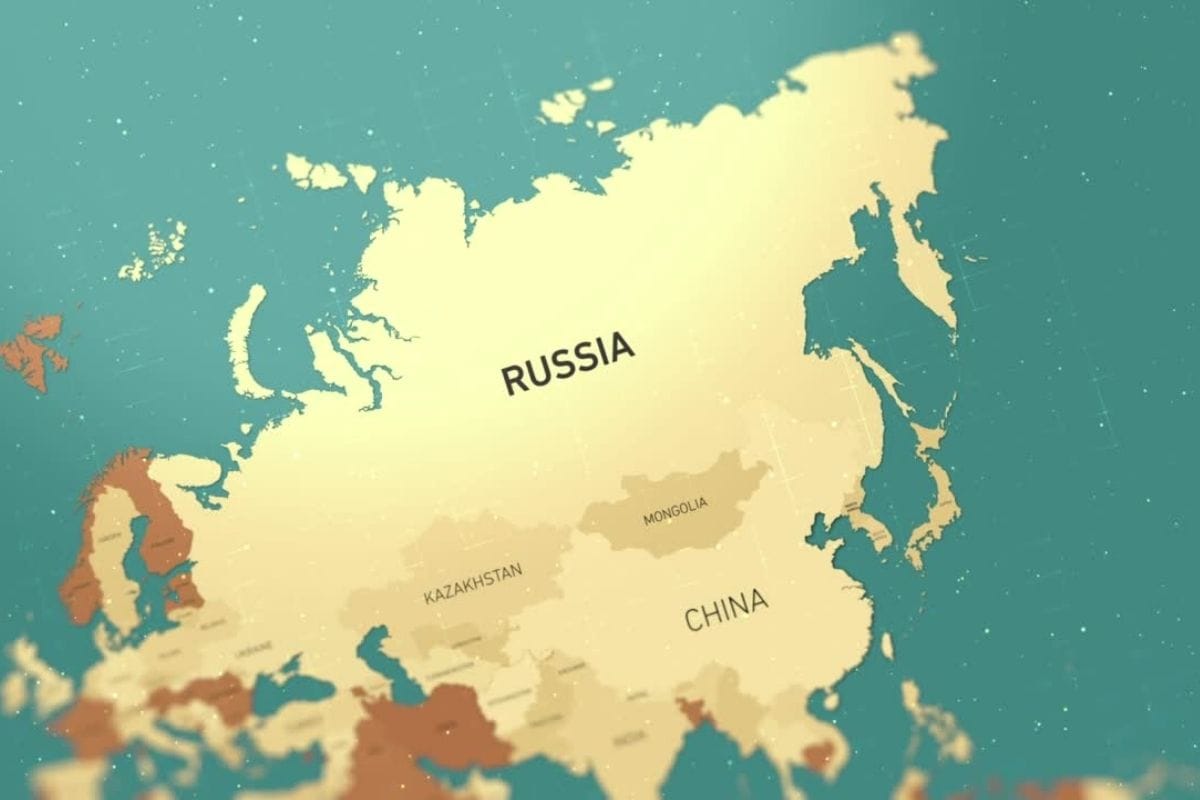
Largest by area: Russia, at roughly 17.1 million square kilometres, making it the biggest country in the world by total area. It covers around eleven percent of the world’s land, spans eleven time zones and borders fourteen countries. Canada takes second at a little under 10 million. Third place is where it gets messy, because China and the United States sit close enough that the ranking flips depending on which territorial waters and disputed territories a source counts.
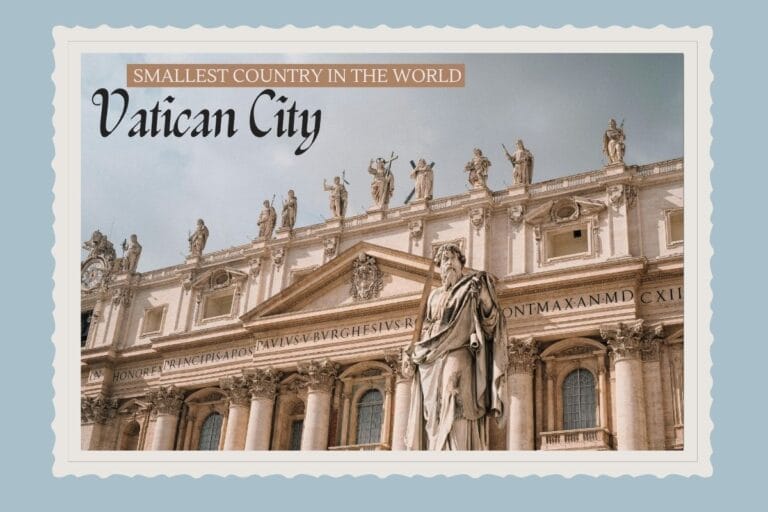
Smallest by area: Vatican City, at just 0.49 square kilometres, is the smallest country in the world. You can walk its perimeter in under an hour. Monaco comes second at about four times the size, then Nauru, Tuvalu and San Marino.

Oldest
There is no agreed answer, and anyone who gives you one has quietly picked a definition. The debate over the oldest country in the world depends on whether you mean continuous sovereignty, ancient civilisation, monarchy or largely unchanged borders.
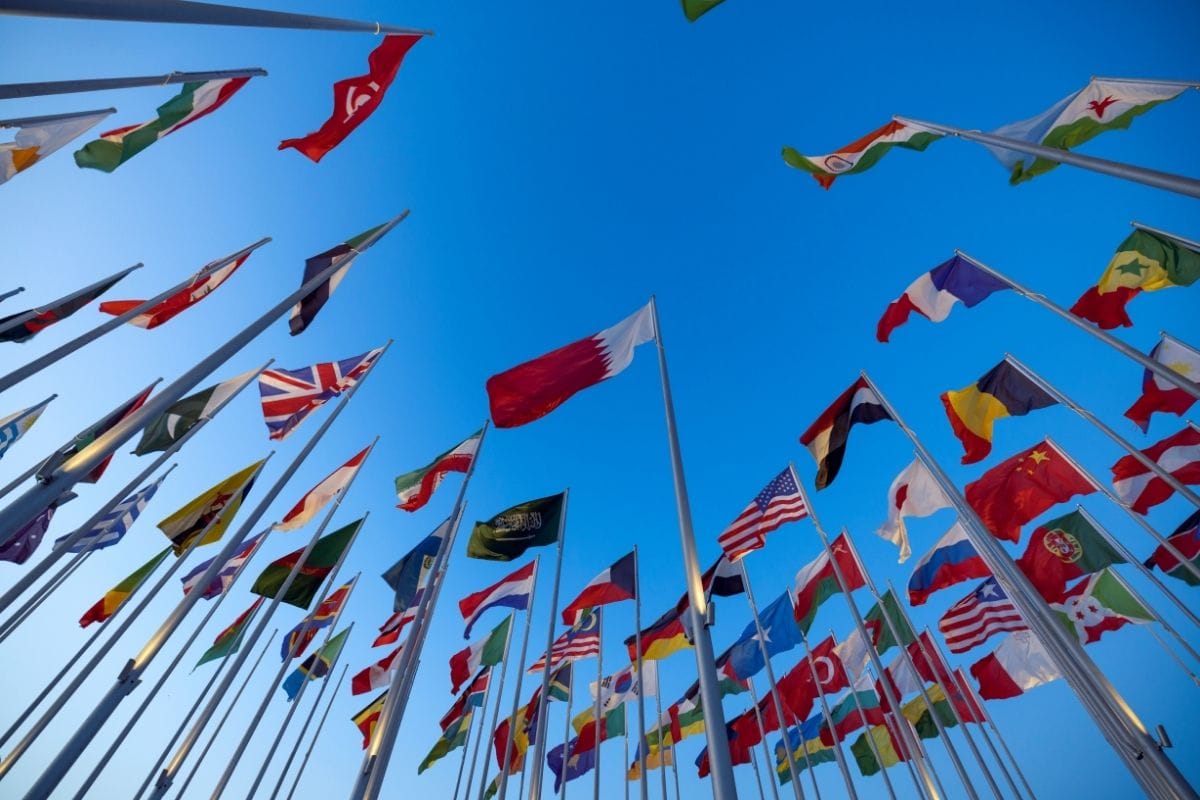
Oldest continuously sovereign state: San Marino claims 301 AD, and no rival claim to continuous independence beats it.
Oldest state on the same territory: Egypt, unified around 3100 BC.
Oldest continuous monarchy: Japan, whose imperial line is traditionally dated to 660 BC.
Oldest borders largely unchanged: Portugal, whose modern frontiers date to the thirteenth century.
Language
Most spoken language: English is often described as the most spoken language in the world, with roughly 1.5 billion speakers, but only if you count people who learned it as a second language. Around three-quarters of English speakers did. Count native speakers alone, and Mandarin Chinese wins by a wide margin, with English falling to third behind Spanish.
Interestingly, some of the languages that rank among the most spoken are also counted among the Hardest Languages to learn — Mandarin Chinese, for instance, tops both lists due to its tonal system and complex writing script, showing that popularity and difficulty aren’t mutually exclusive.
Names
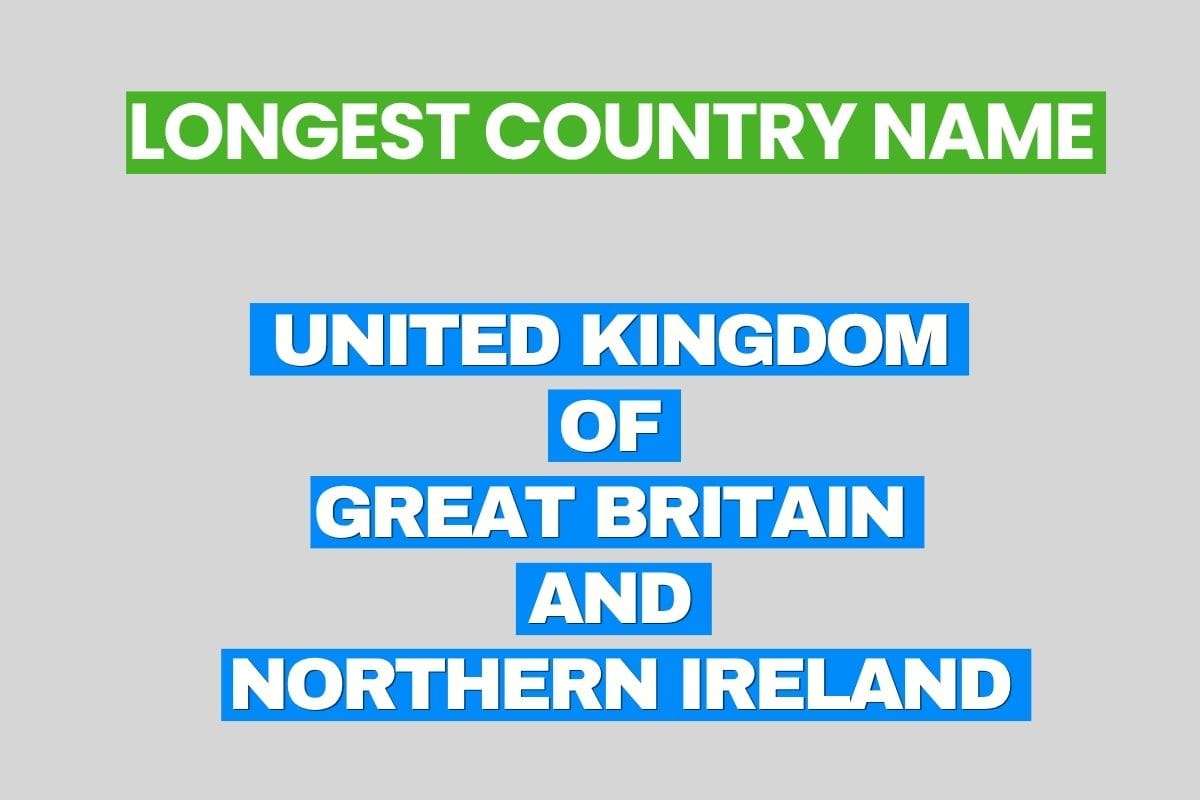
Longest official country name: The United Kingdom of Great Britain and Northern Ireland is often cited when discussing the longest country name in the world. Libya and Venezuela can also appear in comparisons, but the winner depends on whether you use the English rendering or the country’s own language.
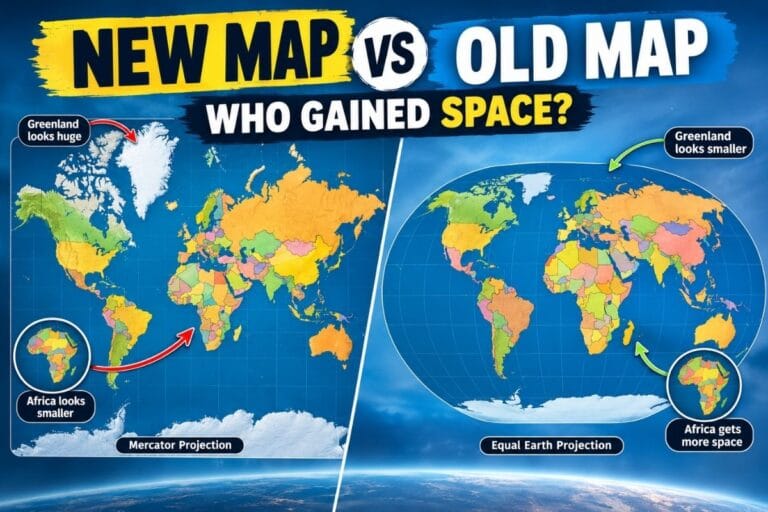
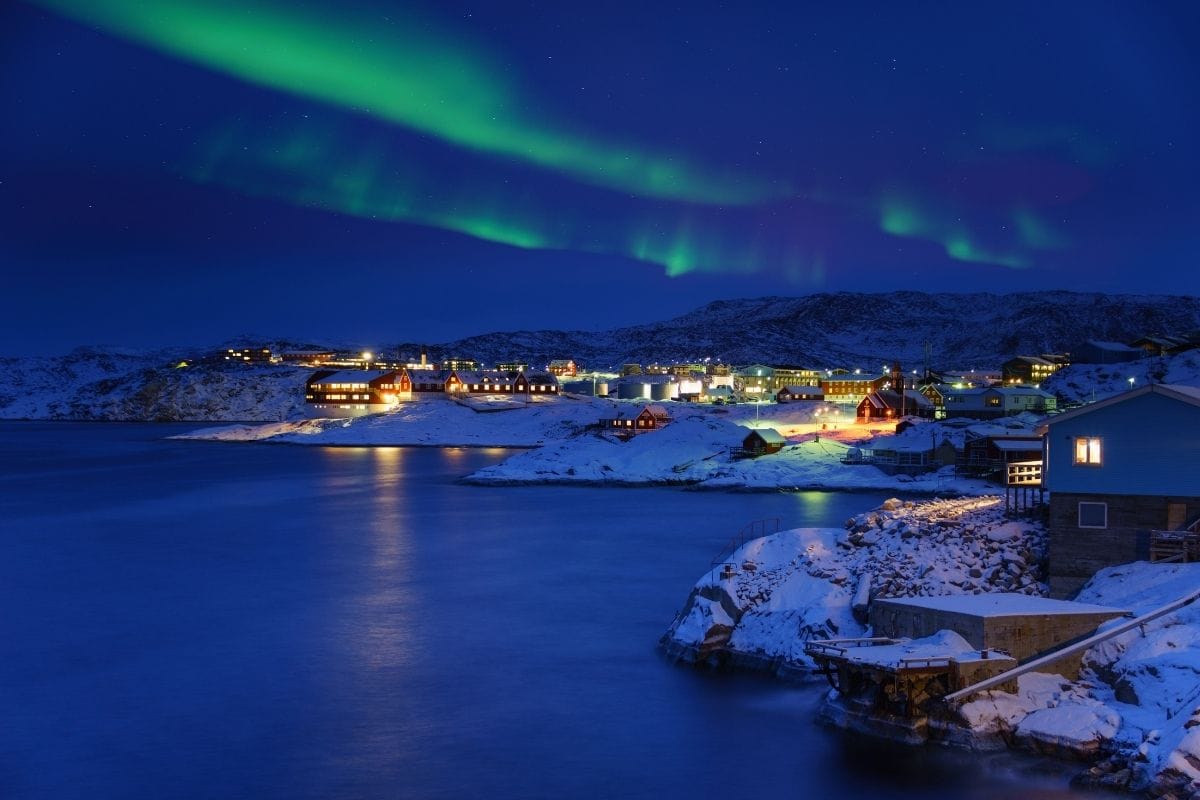
Strangest naming story: You know why greenland is called greenland? The name has a famously misleading history. Greenland, which is mostly ice, was named by a Norse exile who wanted settlers. Iceland, which is comparatively green, got the harsher name.
Water
Deepest lake: Lake Baikal in Siberia, at 1,642 metres is the deepest lake in the world.. It holds around a fifth of the planet’s unfrozen fresh surface water, more than all five North American Great Lakes combined, and it is also the oldest lake on Earth at somewhere between 25 and 30 million years.

Quick Summary Table
| Record | Short Answer |
|---|---|
| Biggest country in the world | Russia — ~17.1 million km² |
| Smallest country in the world | Vatican City — 0.49 km² |
| Oldest country in the world | Depends on the definition — San Marino has the strongest continuous-sovereignty claim |
| Most spoken language in he world | English — ~1.5 billion total speakers |
| Deepest lake in the world | Lake Baikal — 1,642 metres |
| Longest country name inthe world | United Kingdom of Great Britain and Northern Ireland |
Why These Country Records Keep Changing?
Three things move the numbers.
Definitions. A country by area might or might not include inland water, territorial seas, and territory it claims but does not control. The United Nations recognises 193 member states, and depending on how you treat observers, partially recognised states and dependencies, the count of countries in the world runs anywhere from 193 to well over 240.
Sources disagree. The CIA World Factbook, the United Nations Statistics Division and individual national surveys publish different figures for the same country, sometimes by thousands of square kilometres. Where the gap matters, we give the range rather than pretending to a precision the data does not support.
Politics. Borders move. Sovereignty gets contested. Greenland’s status has been the subject of an active diplomatic dispute between the United States and Denmark through 2025 and 2026, and any record that touches a disputed territory carries that instability with it.
Frequently Asked Questions
How many countries are there in the world?
The United Nations has 193 member states plus two observer states, the Holy See and Palestine. Counts above that include partially recognised states such as Kosovo and Taiwan, and dependencies.
What is the largest country in the world?
Russia, at roughly 17.1 million square kilometres, around eleven percent of the world’s land area.
What is the smallest country in the world?
Vatican City, at 0.49 square kilometres and a population of fewer than a thousand.
Which is the oldest country?
It depends on the definition. San Marino has the strongest claim to continuous sovereignty since 301 AD; Egypt has the oldest state on the same land.
What is the most spoken language?
English by total speakers, Mandarin Chinese by native speakers.
The Bottom Line
Country records are useful right up to the point where somebody asks how you defined the category. Russia is comfortably the largest and Vatican City comfortably the smallest, both by area, and both would look different if you ranked by population or coastline. Everything else on this page has a genuine argument behind it, which is the interesting part.
Sources
United Nations Statistics Division; CIA World Factbook; Ethnologue; UNESCO World Heritage Centre; Encyclopaedia Britannica; Holy See and Republic of San Marino official statistics.